
There’s a lot of AI news this week. Anthropic and OpenAI are considering going public which could signal the start of an AI IPO race. While AI companies are looking around for cash to help them cover compute costs, different government regulatory responses to AI have found themselves under pressure. Canada’s new AI strategy is too soft and Australia is accused of chasing data centre dollars while New Zealand waits to see what other countries will do. Also, the international body representing collecting societies used their centenary General Assembly to release The Paris Commitment to human creativity.
While New Zealand hasn’t landed on a copyright and AI solution, it is has put a number of copyright reform ideas on the table. On the cards are improved exceptions for cultural institutions, a fair dealing for parody and satire and a website blocking regime, among other things. These sit alongside free trade agreement obligations to extend the local copyright term and narrow their technical protection measures (TPMs) provisions.
Also: The Paramount–Warner Bros. merge is facing more challenges. And: Apple has attributed its child safety features to Australia’s social media age ban (well, partly!), Screen Queensland has paused this year’s Brisbane International Film Festival and and a new symbols for reuse is coming.
Don't just read the introduction. Free members can read the entire weekly WTF now?! round-up. Sign up and keep reading.
Rapid-fire
A short list of other things:
- AMaGA is calling for presentations for their National Conference taking place in November in Kanberri Canberra. Shoot through
- The second edition of Books without barriers: a practical guide to inclusive publishing is available to download for free. Shoot through
WTF’s been going on?
Here's WTF happened this week:
The AI IPO race has started with Anthropic and OpenAI eyeing going public
OpenAI and Anthropic have both signaled potential future IPOs by filling confidential S-1 forms with the SEC. AI is a cash soak so the AI companies are likely looking at public offerings as a way to secure further capital despite potential stock price volatility.
On Monday ChatGPT-maker OpenAI announced it filed a draft Form S-1 with the US Securities and Exchange Commission (SEC), a common move by companies considering an initial public offering (IPO) which allows them to undergo early regulatory review confidentially. Apparently the announcement came because they expected the news to leak.
OpenAI’s announcement comes exactly one week after Anthropic made its own announcement that it has filed a draft S-1. Neither company has listed the number of shares that will be offered or the price of those shares as yet. The IPO timeline for both companies has not been disclosed.
The fact that two of the leading AI companies are starting initial steps to shift from private startups to publicly traded companies selling shares to public investors on the public stock market is not surprising. An IPO would see a significant cash injection into each company at a time when they are burning through cash building frontier AI models and data centres. That cash burn is likely to cause volatile stock prices when and if either company does go public, and this initial stage of going public will help them test investor appetite. Recent company valuations and other hype will likely sustain early interest in the companies’ stock.
- Confidential submission of draft S-1 to the SEC, OpenAI, Monday 8 June 2026
- Anthropic confidentially submits draft S-1 to the SEC, Anthropic, Monday 1 June 2026
 Rebecca Bellan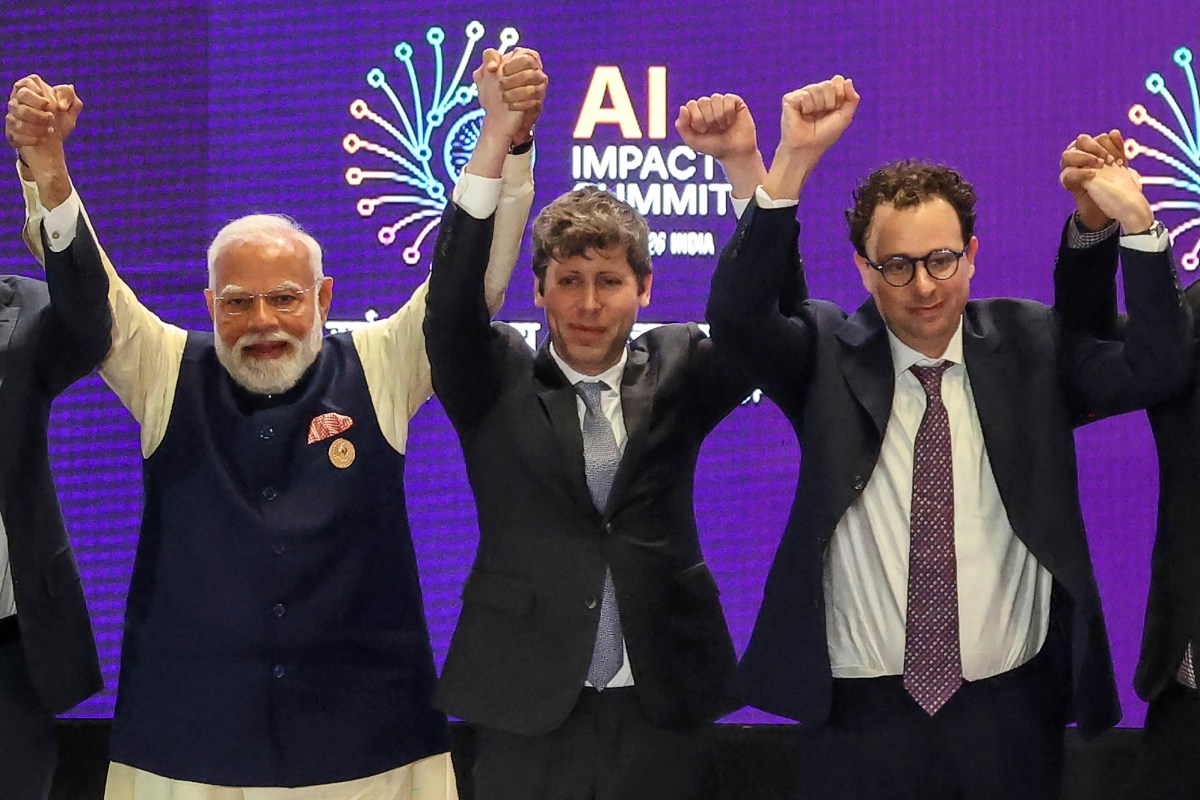
 Aisha Down and Ana Lucía González Paz and Dan Milmo
The Canadian AI plan has been criticised in similar ways the Australian AI plan
Canada's recent AI for All strategy to boost AI adoption faces criticism for being vague, shortsighted and too soft. Meanwhile, Australia’s AI regulatory approach has similarly been called out with concerns that AI data center investment is more important and that copyright could become a sacrificial lamb. Meanwhile, New Zealand seems to be watching before determining its approach.
On Thursday last week Canadian Prime Minister Mark Carney launched Canada’s National Artificial Intelligence Strategy: AI for All, a 5-year strategy for ‘AI that builds Canada strong for all’. It asserts that AI adoption will drive benefits for Canadians yet Canada is ‘among the slowest countries to adopt AI at scale’. To tackle the issue, the strategy says trust is crucial to adoption and safety and a meaningful degree of sovereign control is tied to trust.
Under the strategy, trust will come from legislative reform to protect Canadians from the risks and harms of AI, greater AI transparency and expanding the capabilities of the Canadian AI Safety Institute and through strengthening multinational partnerships with trusted allies. A National AI Literacy Initiative, AI-related jobs for young Canadians and AI adoption support for small-to-medium enterprises (SMEs) are some of the ways the strategy seeks to address the adoption gap while creating opportunities. And Canadian sovereignty will be reinforced through sovereign AI built on Canadian terms while expanding Canada’s AI talent base and positioning government as a strategic anchor customer to grow globally competitive Canadian AI companies.
While there is some support, reactions to the Canadian plan have been mixed. It has been criticised for not going far enough to protect Canadians and their human rights, being too shortsighted, leaving regulation largely voluntary, being too vague on addressing environmental and resources impacts and for a lack of concrete strategies to deliver on its objectives.
Also worth noting is the joint statement issued by the Chief Commissioner of the Canadian Human Rights Commission Charlotte-Anne Malischewski, the Accessibility Commissioner Christopher T Sutton and the Pay Equity Commissioner Lori Straznicky welcoming AI for All but cautioning that ‘AI systems replicate inequalities and existing barriers and exclude diverse communities.’ They call for AI development that proactively embeds human rights, accessibility and diverse representation by design to combat systemic biases replicated by AI and to ensure AI benefits are shared equitably. The independent think tank Centre for International Governance Innovation added that treating AI simply as a domestic economic challenge risks overlooking critical geopolitical, security, trade and foreign affairs dynamics which are hammered by the interests of global powers like the United States and China.
The Canadian Plan comes at an interesting time for Australia’s own AI regulatory response. Talking to Four Corners, Ed Husic, the former Minister for Industry and Science and the Minister behind the dumped mandatory guardrails for high-risk AI and a standalone AI Act, has accused the Albanese government of curtailing AI regulation to appease Donald Trump and Elon Musk. Instead of Husic’s response we got the National AI Plan which some view as a softer, hands-off approach where AI regulation is distributed across existing areas of law and regulators.
Actively in pursuit of the National AI Plan’s Action 3: Attract Investment, current Minister for Industry and Science Tim Ayres and the Prime Minister have been cheerleading Australia as ideal for data centre investment. It makes sense. Community backlash to data centre developments in the US have seen AI companies looking elsewhere. We have land and we are a safe, democratic country. Yet energy supplies and water will be stumbling blocks.
With all this wooing of AI investment dollars, some are concerned that our copyright laws may be the sacrificial lamb. Despite Australia’s Attorney-General Michelle Rowland reiterating that a text and data mining exception was off the table, the Tech Council of Australia Chair Scott Farquhar has used last week’s The Australian Financial Review AI Summit to renew calls for such an exception, claiming it is ‘close to impossible for AI developers to deal with the country’s existing laws’. The loudest and least surprising rebuttal came from Annabelle Herd, CEO of the Australian Recording Industry Association (ARIA) and CEO of the Phonographic Performance Company of Australia (PPCA) who has been talking up copyright licensing as a solution to the problem. APRA AMCOS CEO Dean Ormston was also there parroting the same. Even with this very public debate going on the Copyright and Artificial Intelligence Reference Group (CAIRG) has not convened again since October last year leaving it unclear what next steps the Attorney-General's Department will take in progressing the issue.
While copyright reforms are coming to the New Zealand Copyright Act, a recent media release from New Zealand Commerce and Consumer Affairs Minister Cameron Brewer puts delivery of a report to Cabinet on a possible copyright framework for generative AI at Wednesday 31 March 2027 at the latest. So don’t except any movement on copyright and AI by our neighbours across the ditch either.
 Amelia McGuire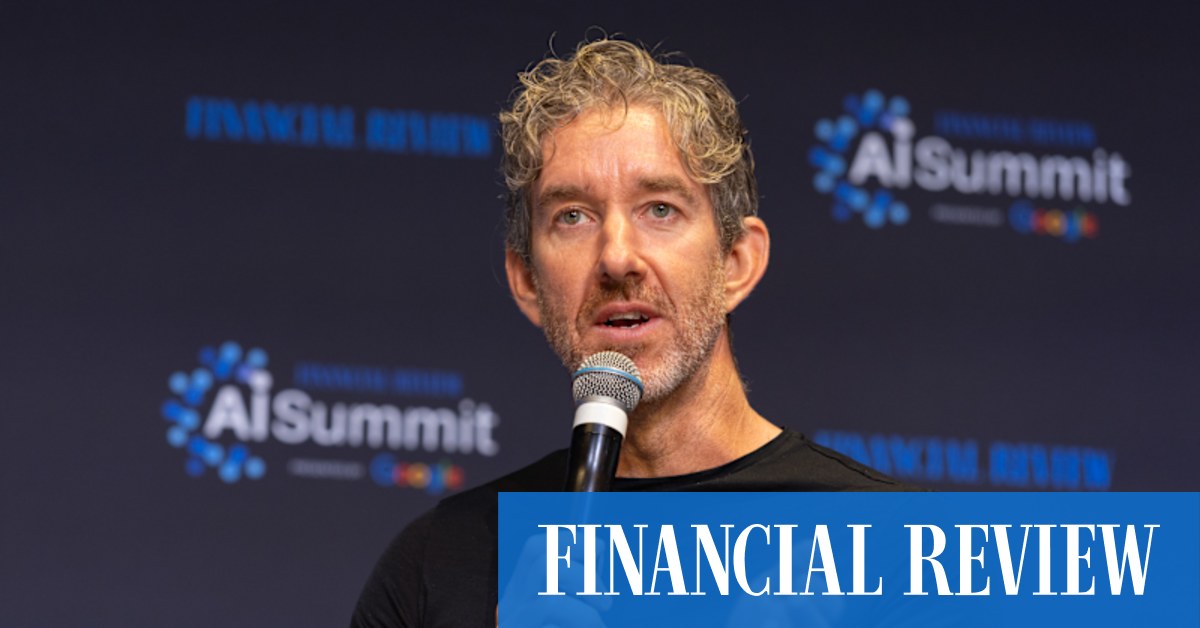
 Steve Cannane and Lesley Robinson and Lara Sonnenschein and Kate Ainsworth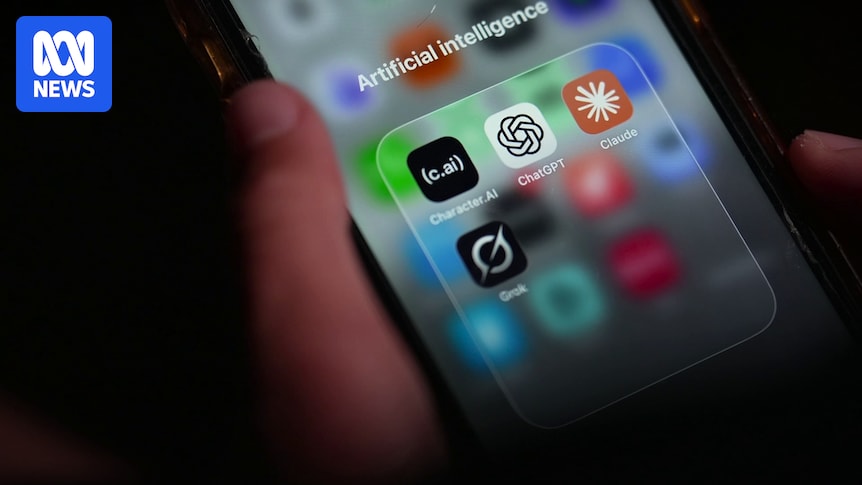




- APRA AMCOS responds to Tech Council Chair Schott Farquhar, APRA AMCOS, Wednesday 3 June 2026
- Creative and cultural sector gets further copyright support, Commerce and Consumer Affairs Minister Cameron Brewer, New Zealand Government, Wednesday 3 June 2026
International collecting society body calls for a commitment to human creativity
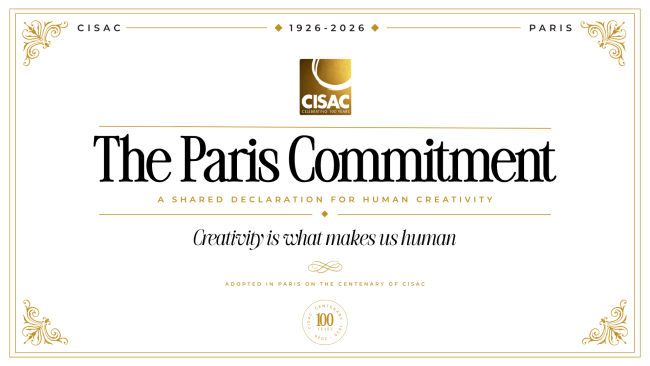
The International Confederation of Societies of Authors and Composers (CISAC) has issued The Paris Commitment urging governments, technology companies and cultural institutions to protect human creativity from AI exploitation. It calls for transparency, fair remuneration and proactive regulation to ensure creators remain valued in the digital age.
At the centenary General Assembly of the International Confederation of Societies of Authors and Composers (CISAC) issued The Paris Commitment, a declaration calling on governments, technology companies and cultural industries to ensure that human creativity remains recognised, protected and fairly remunerated in the age of AI. To that end, the commitment outlines four principles:
- Creativity is a fundamental human endeavour and must be actively protected.
Human creators are the source of artistic expression and cultural diversity. Local stories, languages, voices and traditions are the lifeblood of vibrant and diverse communities and must never be diminished. - Innovation must strengthen – not weaken – creative value.
Technological progress must respect creators’ rights through transparency, licensing and fair remuneration. AI should support human creativity, not exploit it. - Collective management is essential to a fair and sustainable creative ecosystem.
Strong collaboration among creators, collective management organisations, cultural institutions and industry partners is vital to ensuring creators can thrive and continue contributing to society and culture. - Governments and decision-makers must act to safeguard the future of creativity.
Policy and regulation must evolve to uphold creators’ rights, ensure accountability towards rightsholders, and safeguard the diversity and integrity of cultural expressions.
CISAC is now calling on creators, rights organisations and supporters around the world to add their names to the Paris Commitment.

New Zealand pursuing copyright reform off the back of free trade agreements
New Zealand is updating its copyright law to meet free trade agreement obligations, extending the copyright term by 20 years and tightening provisions preventing circumvention of technical protection measures (TPMs). The government also plans to introduce other reforms, including improved exceptions for cultural institutions, a fair dealing for parody and satire and a website blocking regime.
As part of its obligations under free trade agreements (FTAs) with the United Kingdom and the European Union, New Zealand will reform the country’s copyright law. The two main reforms to the Copyright Act will see the term of copyright in most cases extended by 20 years and a narrowing of legitimate circumvention of technical protection measures (TPMs) such as digital rights management (DRM). ⟨ These reform agendas may see familiar because these were also two of the major reform requirements Australia needed to implement under the Australia-United States Free Trade Agreement (AUSFTA). ⟩ Under the NZ-UK FTA New Zeland has until 1 May 2028 to make these changes and it must make them by 31 May 2028 to comply with the NZ-EU FTA. The government is proposed to make the changes in time for the earlier deadline.
While the New Zealand government is touting these as being good for Kiwi artists. the reality is that the deals also extend rights and protections for multinational companies through national treatment which requires a country to grant the same copyright protections to foreign creators as they grant to their own citizens. New Zealand, like Australia, is a net importer of copyright and is therefore losing more than it gains by strengthening IP rights. The jury is still out on how well Australia’s arts and culture has fared under the AUSFTA with many commentators reflecting that, overall, Australia has seen limited benefits from an agreement arguably more about protecting American interests. ⟨ For those interested in this topic, it is worth reading Chapter 3 of the final report of the Senate Select Committee on the Free Trade Agreement between Australia and the United States of America which discusses the Intellectual Property Chapter of the AUSFTA. ⟩
Accompanying those changes, the New Zealand Government has flagged the copyright reform process as an opportune moment to also make other changes to local copyright law. Other proposed changes include:
- improving copyright exceptions for GLAM (galleries, libraries, archives and museums), including preservation, digitisation, access and the use of orphan works
- protecting parody and satire under a new fair dealing exception
- introducing a website blocking regime to restrict access to overseas websites facilitating copyright infringement
- removing the outdated peer-to-peer (P2P) file-sharing enforcement regime
- allowing nonexclusive licensees such as collecting societies to commence infringement proceedings on behalf of their members
- clarifying that first distribution is only exhausted where copies of a work are first issued domestically or overseas by or with the consent of the copyright owner, supporting control over parallel imports of infringing copies
- changing the default rule for commissioned works so that creators are the first copyright owners unless agreed otherwise
- extending visual arts resale royalty rights to align with the longer copyright term.
A Cabinet paper on the policy decisions on copyright including free trade agreement obligations provides a much more detailed overview of the proposed reform package.
- Keeping Kiwi Music in Kiwi hands, Arts, Culture and Heritage Minister Paul Goldsmith and Commerce and Consumer Affairs Minister Cameron Brewer, New Zealand Government, Tuesday 26 May 2026
- Creative and cultural sector gets further copyright support, Commerce and Consumer Affairs Minister Cameron Brewer, New Zealand Government, Wednesday 3 June 2026
- Updates to the Copyright Act, Ministry of Business, Innovation and Employment, New Zealand Government
 Jonathan Milne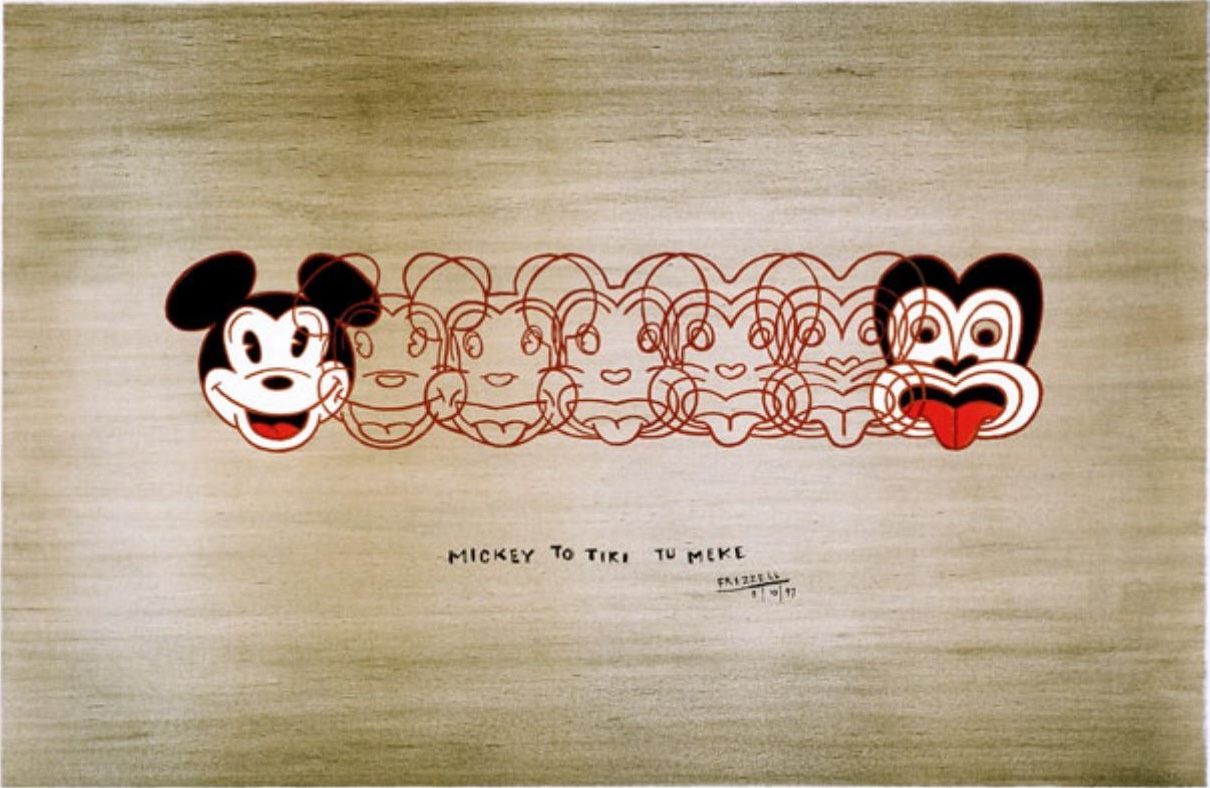
Keeping tabs
Updates about WTF else has happened with things I have recently covered:
Paramount–Warner Bros. acquisition proposal
Following up: We know Paramount has been sticking to its claims that a merged Paramount–Warner Bros. would push out 30 movies a year but the International Brotherhood of Teamsters aren’t convinced. They voiced concern to the US Department of Justice (DOJ) that the merger ‘threatens the livelihoods of the very workers who built these studios into industry giants’ and pointed to job losses, cancelled projects and the closing of production units after previous mergers as evidence. POLITICO reports that Paramount’s Chief Legal Officer Makan Delrahim responded to the Teamsters in a letter to the DOJ. In it Delrahim doubles down saying ‘organized labor will directly benefit from the new competitive energy and increased content investment that the combined firm will bring to the entertainment industry’, that both companies need the merger to ‘create a stronger, more efficient competitor.’ ⟨ It is also worth remembering that Delrahim worked in the DOJ during both Bush administrations and again in Trump’s first term, as well as a Big Content lobbyist. ⟩
Delrahim argues that alone neither company can effectively compete in a market where Netflix, Disney+ and Amazon Prime Video together hold 65% market share. Even together, Paramount+, HBO Max and Discovery+ will ‘represent less than 11% of US streaming subscribers’ and so ‘[c]ompeting at scale will require Paramount to generate more content across its films, streaming, and linear television offerings’ which needs organised labour such as Teamsters. Delrahim goes further, claiming that a Paramount–Warner Bros ‘content-first’ growth strategy will stimulate more film and TV production in the industry because Netflix and other competitors will need to ‘respond in kind’ with their own content creation strategies.
Also in the letter, Delrahim counters the ‘Disney-Fox merger as a cautionary tale’ narrative claiming it overlooks pre-merger changes to Disney’s film release strategy, the increase in Disney’s overall content spend since the merger (although accounts of spend differ) and the impact on film production the COVID-19 pandemic had. Delrahim also uses the letter to accuse Netflix of a ‘panic-level response and scorched-earth campaign to try and poison regulators and other stakeholders against the Transaction.’ Paramount claims Netflix is behind attempts to ‘persuade the Teamsters and other stakeholders that Disney’s acquisition of Fox had a negative impact on content production and labor opportunities’ in a bid to sink the acquisition.
Separately, more evidence seems to be pointing to a multi-state challenge led by California to the Paramount–Warner Bros. merger, with a case expected to be filed within a month. It looks like California may be tapping well-known tech and IP lawyer Robert Van Nest to be involved in the case. The Competition and Markets Authority (CMA) in the UK has also commenced investigation into the merger to determine if it will lessen competition in the UK.
- Paramount blasts Netflix, pushes back on Teamsters’ warnings about Warner Bros. deal, Daniel Miller, POLITICO, Tuesday 9 June 2026
 Scharon Harding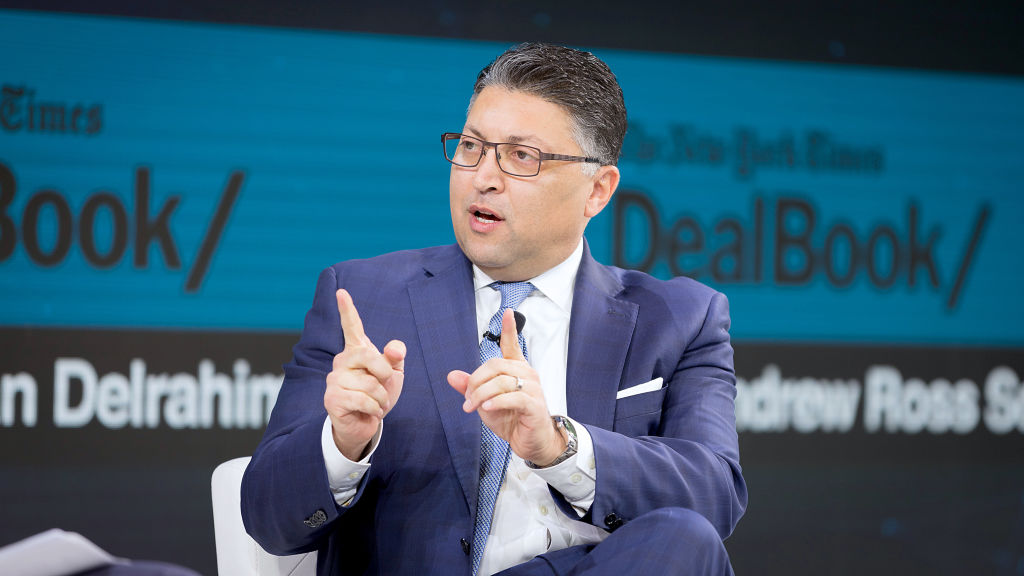
 Winston Cho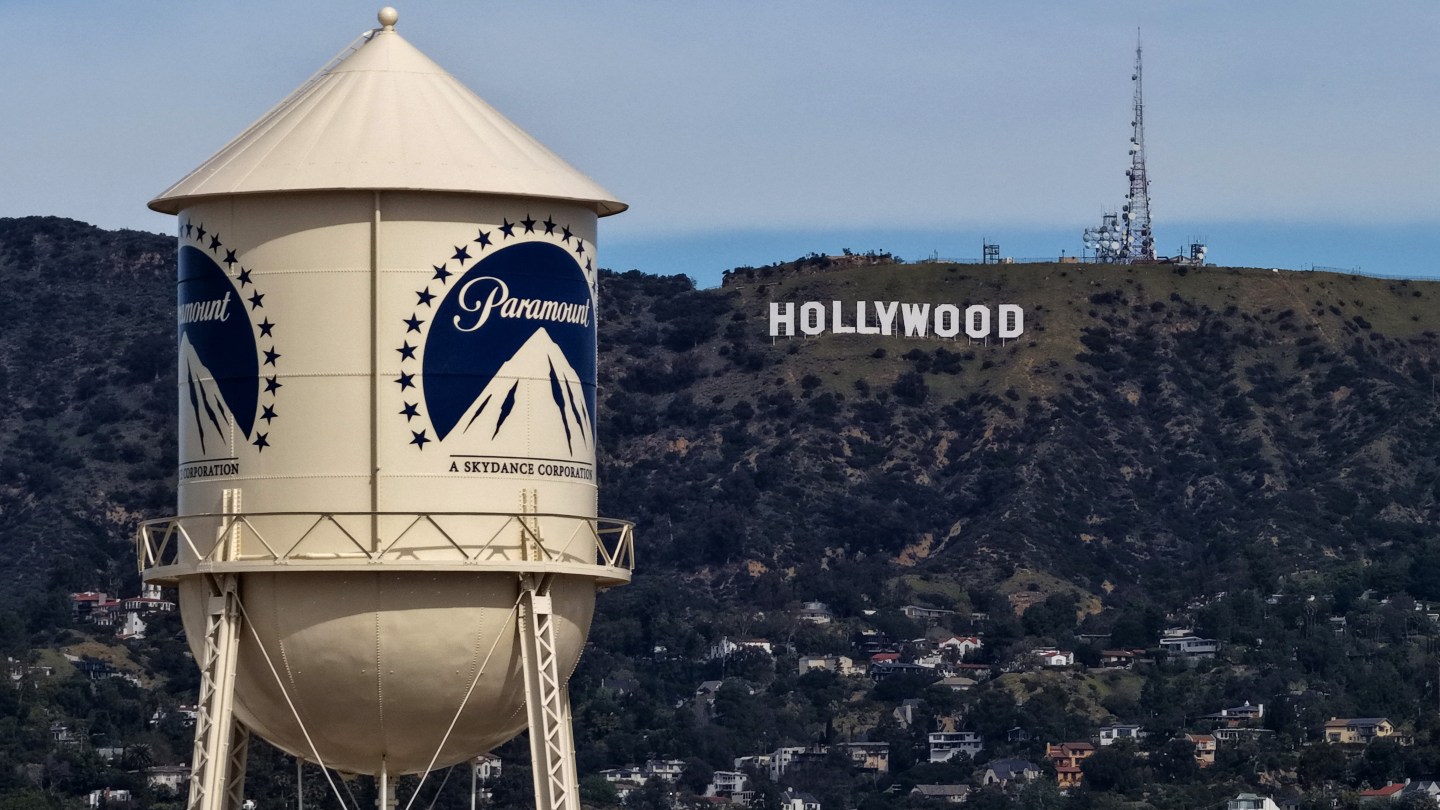
A bit on the side
WTF else happened this week:
Apple’s child safety features attributed to Australia’s social media age ban (in part). Apple announced a whole bunch of stuff at WDC (the Worldwide Developers Conference) including a wide release of the new Apple Intelligence across Apple devices and a new Siri AI (taking the opportunity to blame delaying Siri AI in the European Union on the Digital Markets Act and EU regulators). They also announced design refinements, including the ability to dial back Liquid Glass. Along with these announcements Apple also announced a preview of new child safety features ‘based on guidance from online safety and health experts, to help parents create safer, more enriching digital experiences for their kids.’ It allows parents to set what content kids can see, who they can communicate with and when they can access apps while giving parents better oversight of device usage and resources. Apparently these new features are inspired in part by Australia’s social media minimum age regime, warranting a media release by Prime Minister Anthony Albanese saying Apple CEO Tim Cook rang him to tell him that.


 Lewis Wiseman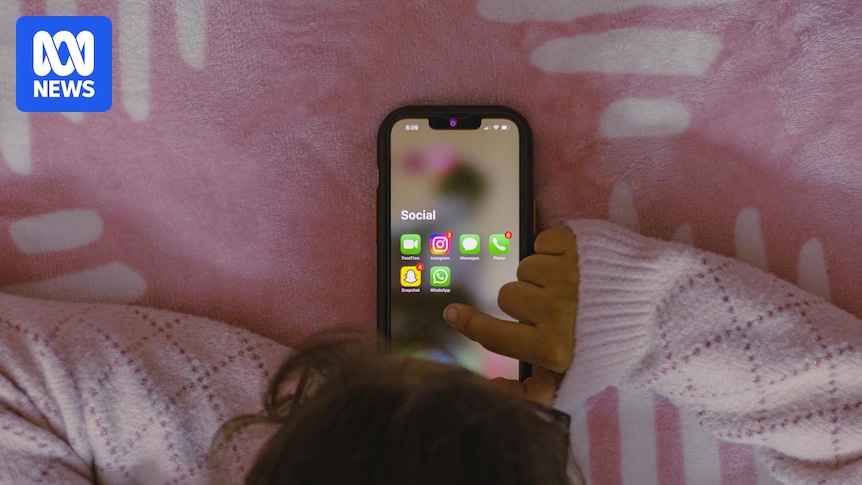
Brisbane International Film Festival ‘paused’ for 2026. Screen Queensland will pause Brisbane International Film Festival (BIFF) this year as it considers the festival’s operating model. As the only major Australian film festival operated by a state screen agency it was always a bit different. While Screen Queensland hasn’t admitted it, their desire to ‘lay the foundations for a new operating model’ is likely a reflection on the mixed outcomes that have resulted from their tendering process that has seen the event run by Palace Cinemas, QAGOMA and Film Fantastic since 2017 and last year’s mini BIFF put on by For Film’s Sake. Screen Queensland anticipates the festival will recommence in 2027.
 Carrie Barber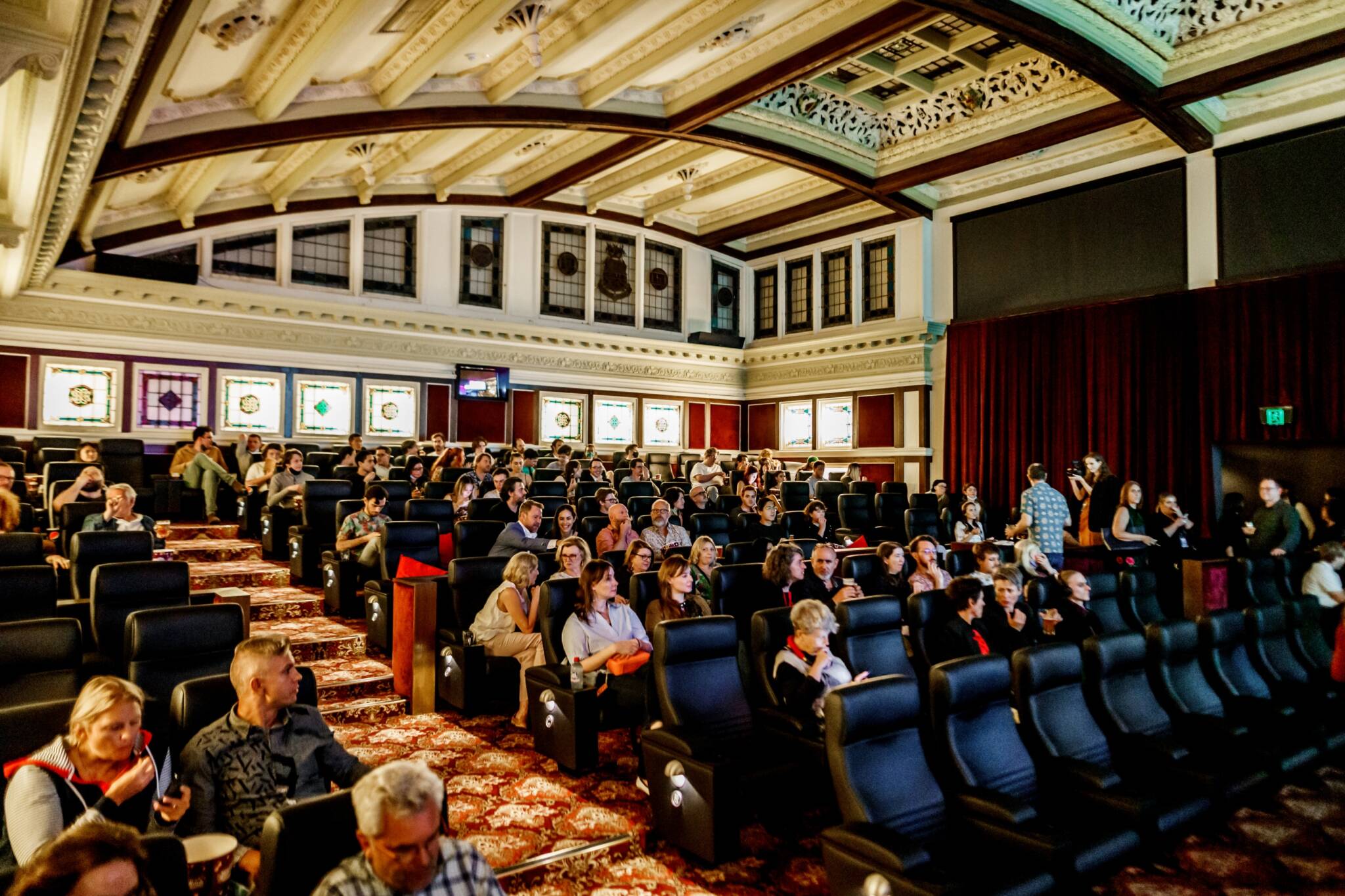
 Sean Slatter
A universal reuse symbol is coming. A new symbol to identify reusable packaging and reuse systems worldwide has been released to promote reuse – where packaging is returned, collected, washed and reused – as a compliment to recycling. Plastic production and waste contribute significantly to climate change while reportedly only 9% of plastic waste is actually recycled. International environmental organisation PR3 selected the new icon for reuse from an open call for designs that saw 236 submissions received from 29 countries. The winning design by Nicole Ascanio Rodriguez and Juan Navarrete of Colombian creative agency Epigramma Studios will feature on a range of reusables and reuse infrastructure such as cups, foodware and to-go containers, wine and beverage bottles, cleaning and homecare product containers, collection bins, logistics vehicles, marketing material, signage and city-wide ecosystems.
 0
0
 Cressida Bowyer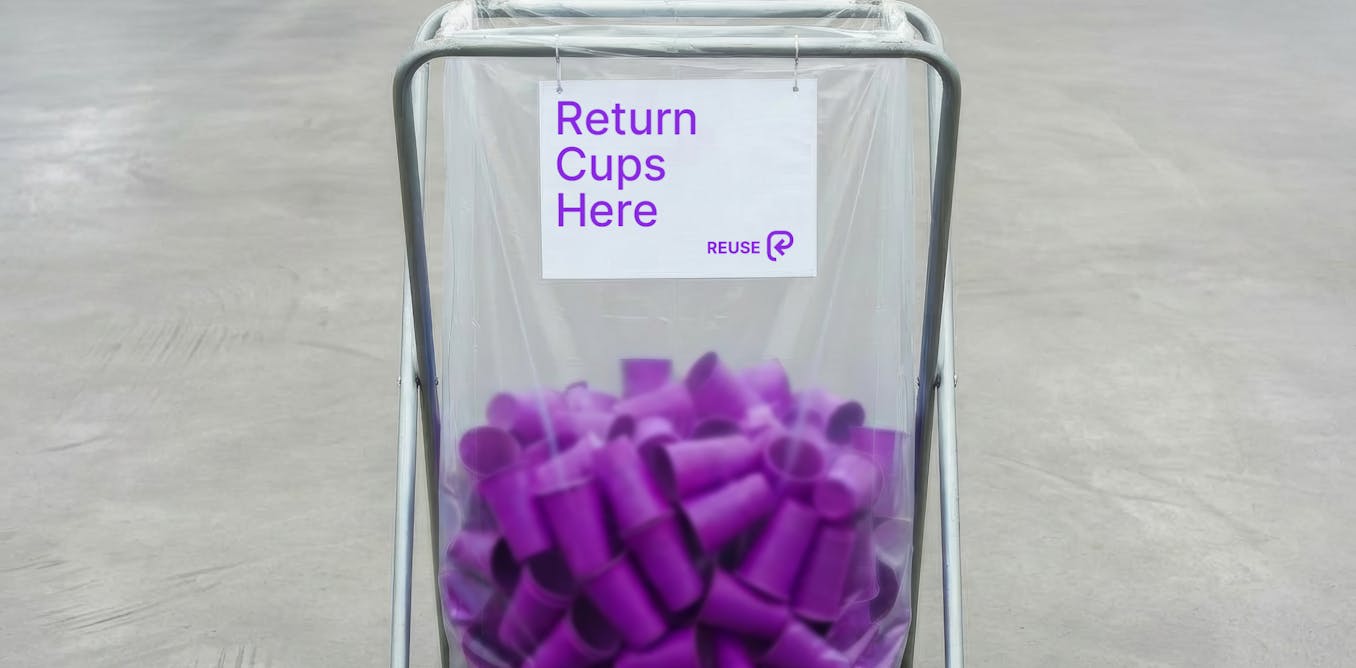
Colophon
Reuse
Conflict of interest
I have participated in the Copyright and Artificial Intelligence Reference Group (CAIRG) as a representative of Wikimedia Australia (WMAU) and Creative Commons Australia (CC AU). The views expressed in this blog post are my own and do not express the views of WMAU, CC AU and/or the Creative Commons Corporation.
AI use
No part of the text of this blog post was generated using AI. The original text was not modified or improved using AI.
AI was used to generate summaries of listings, but no AI-generated content was used verbatim.
The banner graphic (i.e. the first image at the top of the blog post) was adapted from vector graphics generated in Adobe Illustrator using Firefly 4 with 'Subject' content type selected and the lowest level of detail set. { Text to Vector Graphic prompt: Seamless pattern, very large simple shapes, 80s retro style, fluid organic elements, morphing, overlapping, blurred gradients, visible layers. }
Provenance
This blog post was first published on Wednesday 10 June 2026. It has not been updated. This is version 1.0.