
This week it is basically all Anthropic:
- Their CEO Dario Amodei was in Australia to sign an MOU with the Australian Government bringing a greater local presence, deeper collaboration with government and research and a commitment to Australia’s expectations for data centres.
- The company also unintentionally exposed some of Claude Code’s source code. Their scramble to issue copyright takedown notices to protect their model with no reflection that it unashamedly scrapes the copyright of the free and open web is just another reminder of the hypocrisy of AI.
- Amodei being in Australia has reignited the copyright and AI debate locally, with Anthropic and the content organisations each hosting opposing ‘future forums’ at Parliament House.
- To coincide with the MOU, Anthropic released research on how Australians are using Claude and the results are surprising.
- The AI company also released research on the emotions behind how Claude reacts to things and why that may be important to AI safety.
Also: Warner Music is acquiring independent music distributor Revelator, a US investment company has offered $64.3 billion for Universal Music, John Deere settles its right to repair class action and USB sticks to help people install ChromeOS Flex on older PCs and Macs sold out quicker than ChromeOS loads!
Don't just read the beginning. Free members can read the entire blog post. Sign up and keep reading.
Rapid-fire
A short list of other things:
- The Copyright Amendment Act 2026 (Cth) received the royal assent on Tuesday 1 April 2026 and therefore came into force on Wednesday 2 April 2026. You can view the Act now in the Federal Register of Legislation. Shoot through
- I fell for Magabala Books’ April Fool's joke. They are not opening a second bookstore in Naarm Melbourne. Shoot through
- Australian Library and Information Association (ALIA) has transitioned their flagship quarterly online magazine INCITE to a year-round online publishing schedule on a dedicated subdomain. Shoot through
- Kengo Kuma, the Japanese architect behind Tokyo's Olympic stadium will design the new wing of The National Gallery in London. The design may be ‘exemplary’, but housing 20th and 21st century art in the wing could create a turf war with Tate. Shoot through
- Dr Ruth Higgins SC has been appointed as Australia’s next Solicitor‑General, the first woman appointed to the role. Dr Higgins commences in the 5-year appointment from Monday 8 June 2026. Shoot through
What’s been going on?
Here's WTF happened this week:
Anthropic and Australia signed an AI safety MOU
In a boon to the National AI Plan, the Albanese government has shored up an MOU between Anthropic and the Australian Government that will see deep collaboration with government and research, as well a commitment by Anthropic to meet the government’s expectations for data centres.
Anthropic CEO Dario Amodei was in Australia this week finalising a memorandum of understanding (MOU) with the Australian Government, the first of its kind under the National AI Plan which aims to capture the opportunities of AI, share its benefits and keep Australians safe. Under the plan, Australia’s AI capabilities will be strengthened through collaborative arrangements (like this one) with leading AI and tech companies.
The Anthropic–Australian Government MOU is high-level and not legally binding, but is being pitched as a ‘formal foundation’ for collaboration. Broadly, it will see Anthropic:
- expand its presence in Australia including through support for skills and training initiatives and collaborations with local research and academic institutions,
- collaborate with government and the AI Safety Institute to develop a shared understanding of emerging AI capabilities, opportunities and risks relevant to safety and national security,
- help study the economic and social impacts of AI, especially on sectors central to the Australian economy including natural resources, agriculture, healthcare and financial services,
- help forecast future infrastructure needs for frontier AI development and deployment and collaborating on sustainable solutions that can establish Australia as a trusted regional hub,
- align its Australian operations with the government’s Expectations for data centres and AI infrastructure developers, including expanding energy supply and transmission through a focus on firmed renewables, and
- explore collaboration opportunities with the Australian public service (APS) to support the AI Plan for the Australian Public Service 2025.
Anthropic already announced it is opening an office in Sydney and has extended its AI for Science program to Australia starting with AUD$3 million in Claude API credits to four Australian research institutions ‘applying AI to some of humanity’s most pressing challenges.’ We will wait to see what comes of the MOU relationship.
Arguably more importantly for Anthropic and the Albanese Government though is the MOU as an artefact of government–industry collaboration in pursuit of AI safety. The government needed a major AI player to commit to its National AI Plan and Anthropic wants to position itself and the safe and responsible choice in AI. To that end, it was looking for a democratic government that shares its safety concerns given its ongoing stoush with the US Defence Department and the Trump administration. Amodei echoed this in Anthropic’s media release when he said, ‘Australia’s investment in AI safety makes it a natural partner for responsible AI development.’

- The Australian Government has signed a memorandum of understanding (MOU) with global AI innovator Anthropic, Department of Industry, Science and Resources, Australian Government, Wednesday 1 April 2026.
- New agreement on AI collaboration with Anthropic, Minister for Industry and Innovation and Minister for Science Tim Ayres and Assistant Minister for Science, Technology and the Digital Economy Andrew Charlton, Ministers for the Department of Industry, Science and Resources, Department of Industry, Science and Resources, Australian Government, Wednesday 1 April 2026.
- Memorandum of understanding between the Australian Government and Anthropic on collaboration on AI opportunities, Department of Industry, Science and Resources, Australian Government, Wednesday 1 April 2026.
Claude Code source code accidentally released
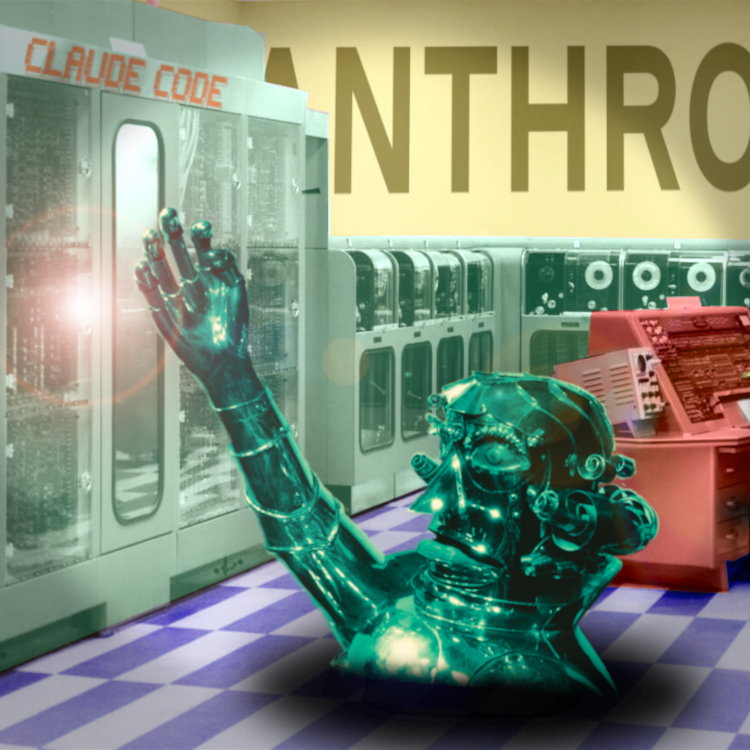
Human error saw Claude Code internal files accidentally released, with Anthropic scrambling to take down copies using copyright takedown notices. The incident is just another example of the hypocrisy of AI companies who are copyright maximalists when it comes to their models but have no concerns relying on fair use to scrape copyrighted material on the free and open web for training data.
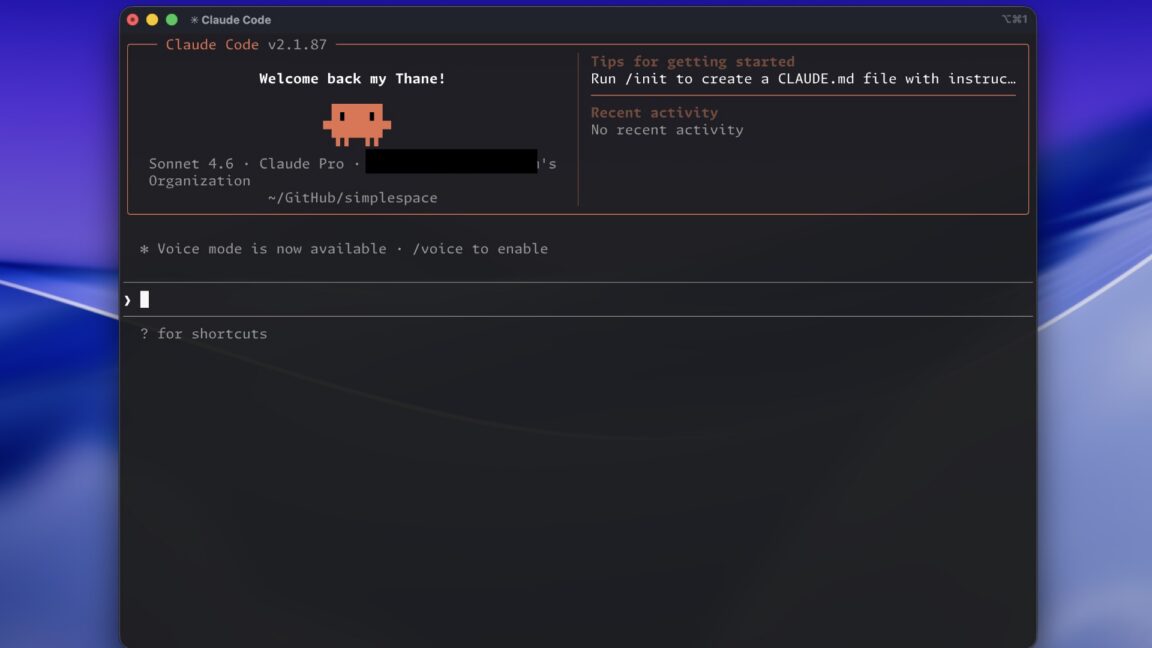
On Tuesday last week (31 March 2026) an internal file was mistakenly included in a software update for Anthropic’s AI coding assistant Claude Code which pointed to an archive of nearly 2,000 files and 500,000 lines of code that were not meant for public release. The Claude maker has blamed ‘human error, not a security breach’ for the mistake and is working to ensure such things don’t happen again. Naturally, the released files were quickly copied and put up on GitHub, where it became that platform's fastest-ever downloaded repository. While that sucks for Anthropic, the unintended release ‘gives competitors and armchair enthusiasts a detailed blueprint for how Claude Code works’.
Hidden in the code were references to as yet unreleased features such as a Tamagotchi-like pet that ‘sits beside your input box and reacts to your coding’ and an always-on background agent. Mere fascination aside, the mishap provides a rare glimpse into the inner workings of an AI tool. That may be exploited by competitors and bad actors, but it also gives AI researchers and commentators a much more detailed look at what is typically off limits.
Unsurprisingly, Anthropic issued a notice-and-takedown request to GitHub in an attempt to contain the code’s spread. Reportedly, in their haste they named a number of repositories that were legitimate forks of their own publicly released Claude Code repository and had to retract the bulk of the takedown notice.
This was not intentional, we’ve been working with GitHub to fix it. Should be better now.
— Boris Cherny (@bcherny) April 1, 2026
This of course points to one of the flaws of the takedown notice scheme in the US and which is largely duplicated in Australian copyright law. While it does make it simpler and cheaper to respond to alleged copyright infringement, it also has the potential to be misused for censorship. ⟨ I wouldn’t necessarily characterise Anthropic’s response here as malicious censorship, but if you want a detailed overview and criticism of notice-and-takedowns and the irony of Anthropic’s use of them to try to stop the spread of Claude Code’s code, Cory Doctorow has you covered. ⟩
Beyond censorship concerns, it is worth again considering how the AI industry has been working to normalise the notion that American AI companies should have free reign to everyone’s copyright on the free and open internet to train their AI models while also being afforded wide protection of those models. At first blush you might think that it makes sense and is entirely appropriate for Anthropic to try to use takedown notices to protect their code, but, as I have said elsewhere:
American Big Tech have relied on (and defend that reliance on) fair use to get around copyright infringement as their scraper bots continue to troll the free and open web harvesting any content they can. In complete juxtaposition to their approach to training data, those same AI companies are taking a hard-nosed copyright maximalist approach to asserting rights in their systems.
Sanya Mansoor Samuel Axon
 Emma Roth
 Cory Doctorow
Cory Doctorow on DMCA notice-and-takedowns and censorship.
Elliott Bledsoe
Anthropic’s Canberra visit flares up the copyright and AI debate again
Even though Attorney-General Michelle Rowland has stayed firm that Australia will not introduce a text and data mining exception, the copyright and AI debate has escalated again with Anthropic and content organisations hosting separate events at Parliament House on AI and the future.
Copyright was not part of the Anthropic–Australian Government MOU but Anthropic CEO Dario Amodei’s Australia visit has added more fuel to the local copyright and AI fire. Speaking at an Anthropic Futures Forum at Parliament House on Wednesday 1 April 2026, Amodei said the company is ‘not trying to convince Australia to change its mind on protecting the copyright of musicians, writers and other artists’, but that he did not see copyright as the ‘be-all and end-all for addressing the economic concerns with [AI]’. At the forum Amodei suggested that governments will develop taxes that share the benefits of AI with more people.
In contrast, Australian Recording Industry Association (ARIA) and Phonographic Performance Company of Australia (PPCA) CEO Annabelle Herd came out in The Australian [paywalled] claiming Anthropic are ‘secretly lobbying to strip copyright protections from local creators and avoid paying licensing fees’ through bilateral meetings and investment promises seeking ‘nothing more than a text and data mining exception under a different name.’ In the same piece she accused Anthropic of being ‘a Silicon Valley company that can easily negotiate and pay but just doesn’t want to’ while talking up copyright licensing as an ‘existing commercial model [that] works’, pointing to AI copyright deals and singling Anthropic out for not following suit.
While that is true, it is difficult to view such deals with optimism . As I have said elsewhere:
The Big Content players with their vast copyright portfolios gathered over successive acquisitions and mergers have been penning deals almost weekly with Big Tech to allow their IP to be intermingled in AI outputs: Disney–OpenAI, Universal Music–Udio, News Corp–OpenAI are just a few of these deals. Many of these arrangements have two things in common: the terms of the agreement are not publicly known and they are made between American Big Content companies and American Big Tech companies.
After all, it took Taylor Swift to make sure musicians benefited from shareholding windfalls record labels' gained when Spotify went public. Who is advocating for artists in the deals Herd is championing? What, if any, of the dollars exchanging hands between Big Tech and Big Content for AI training data will end up in the pocket of creators? When? And how transparent and accountable will the allocation be?
Separately, what Herd didn’t mention was the lobbying efforts of her organisation and other content organisations. ARIA and PPCA were among a gaggle of organisations that hosted a forum titled Powering Intelligence: Media, Culture and the Future of Innovation at Parliament House the week before Anthropic’s Future Forum. The big message there seems to have been to leave the use of copyright for AI training to copyright licensing. APRA AMCOS, Australian Publishers Association (APA), Australia New Zealand Screen Association, the Australian Writers’ Guild (AWG) Collecting Society, Copyright Agency, Free TV Australia, The Guardian Australia and News Corp Australia were the other supporters of that event.
Earlier in March Herd has been pushing licensing as the solution in an op-ed for Mediaweek. This joins a string of similar media comments she has made, including two in The Australian [paywalled] and two in the Australian Financial Review [paywalled]. Add to this comments by AWG CEO Claire Pullen and APRA AMCOS CEO Dean Ormston in a separate article published by the Financial Review [paywalled]. Ormston, who is also the Chair of CISAC (Confédération Internationale des Sociétés d'Auteurs et Compositeurs/International Confederation of Societies of Authors and Composers), also made similar comments to The Sydney Morning Herald [paywalled].
⟨ Sorry so many of the articles are behind paywalls. It seems the rights holder organisations have been relying on the mainstream media to push their messages out. ⟩
On the government’s side, in October last year Attorney-General Michelle Rowland ruled out a text and data mining exception for Australia to quell concerns from the arts and cultural industry in response to the Productivity Commission's recommendation that Australia adopt a TDM exception. Even though Assistant Technology Minister Andrew Charlton came out two weeks ago saying ‘the [copyright] status quo is not working’, the Australian Government has stayed firm on the decision not to pursue a TDM exception, with Rowland reaffirming such at the Powering Intelligence forum. That said, Rowland also said elsewhere [paywalled] the government was ‘looking at other ways in which the copyright system can be improved in the age of AI’, going on to say:
We all want to get to the same end point here. And that is, we do want to realise the benefits of innovation and the benefits that AI can bring to productivity. But we also need to recognise that our creative industries, our media, our artistic ventures in this country, they are the lifeblood of our culture and of our economy, and we will not be selling them short.
Worth noting also that the UK Technology Secretary Liz Kendall similarly announced an opt-out TDM exception for commercial uses is no longer the UK Government’s preferred approach as few weeks ago.
Back home, even with the Copyright Amendment Act 2026 coming into effect just last week it looks like there is more copyright reform work to happen yet.
chief digital political correspondent Clare ArmstrongRob Harris
Surprising findings in Anthropic research about Australian uses of Claude
Australians are early adopters of Claude beyond what our population might suggest. While overall use is similar to other English-speaking countries, Australians use Claude for more diverse tasks.
To coincide with Anthropic CEO Dario Amodei’s visit to Australia, the company published a blog post looking at how Australians are using Claude.
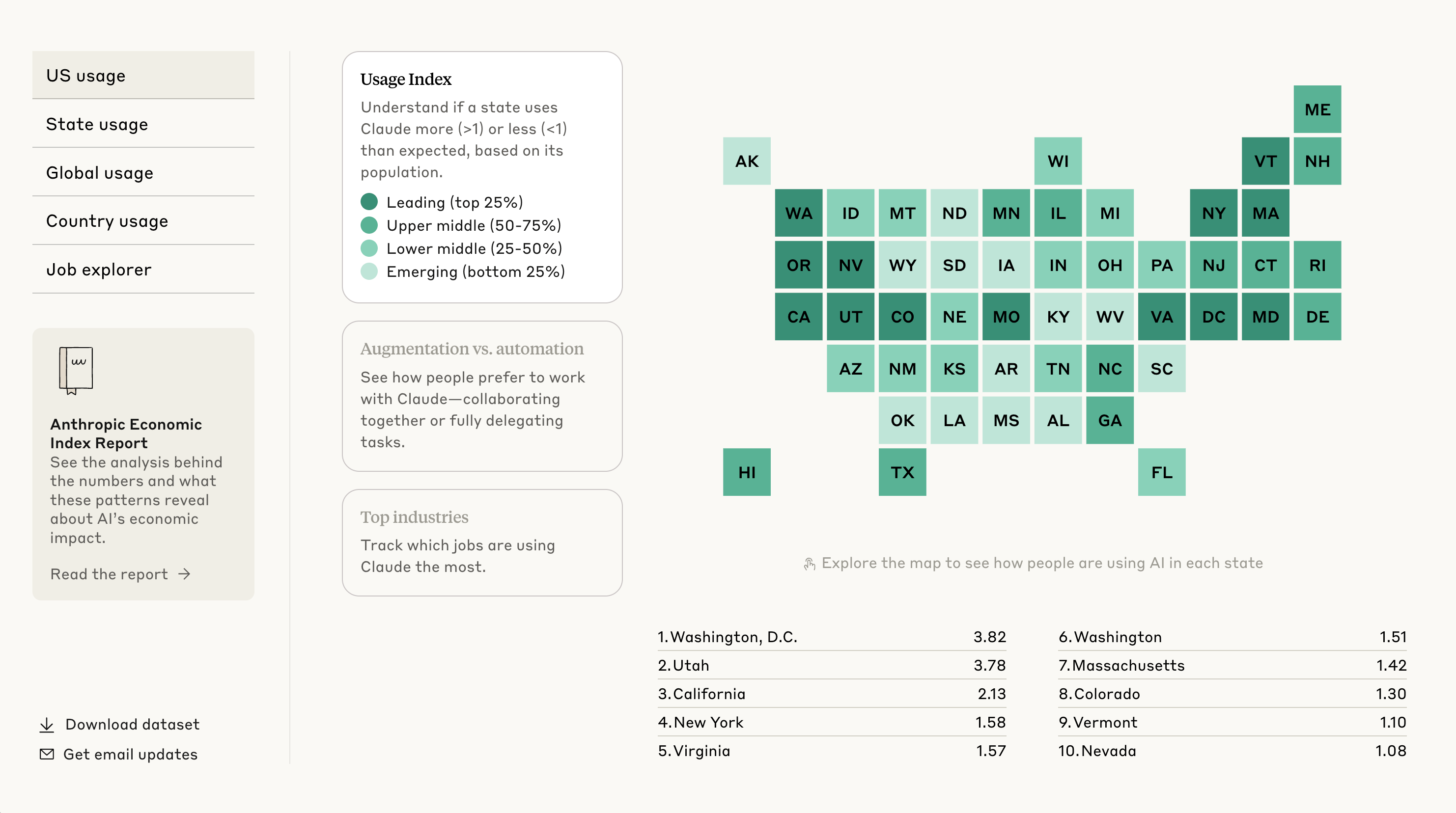
Australia is eleventh in the top 20 countries by share of global Claude use, accounting for 1.6 per cent of global traffic. But Australia has an Anthropic AI Usage Index (AUI) score of 4.1, meaning ‘Australians use Claude over four times more than its working-age population would predict’ placing us seventh in terms of AI adoption per capita behind Singapore, Israel, Luxembourg, Switzerland, the United States and Canada.
The highest usage unsurprisingly is in New South Wales and Victoria which represent 37.2 and 30.8 per cent respectively. Queensland accounted for 17.7 per cent and the rest of the country made up the remaining 14.3 per cent. Interestingly, the Australian Capital Territory (ACT) ‘has above average income but lower-than-expected Claude usage per capita, which may reflect barriers to adoption among its large public sector workforce’ and is likely why the APS AI Plan is specifically identified in the Anthropic–Australian Government MOU.
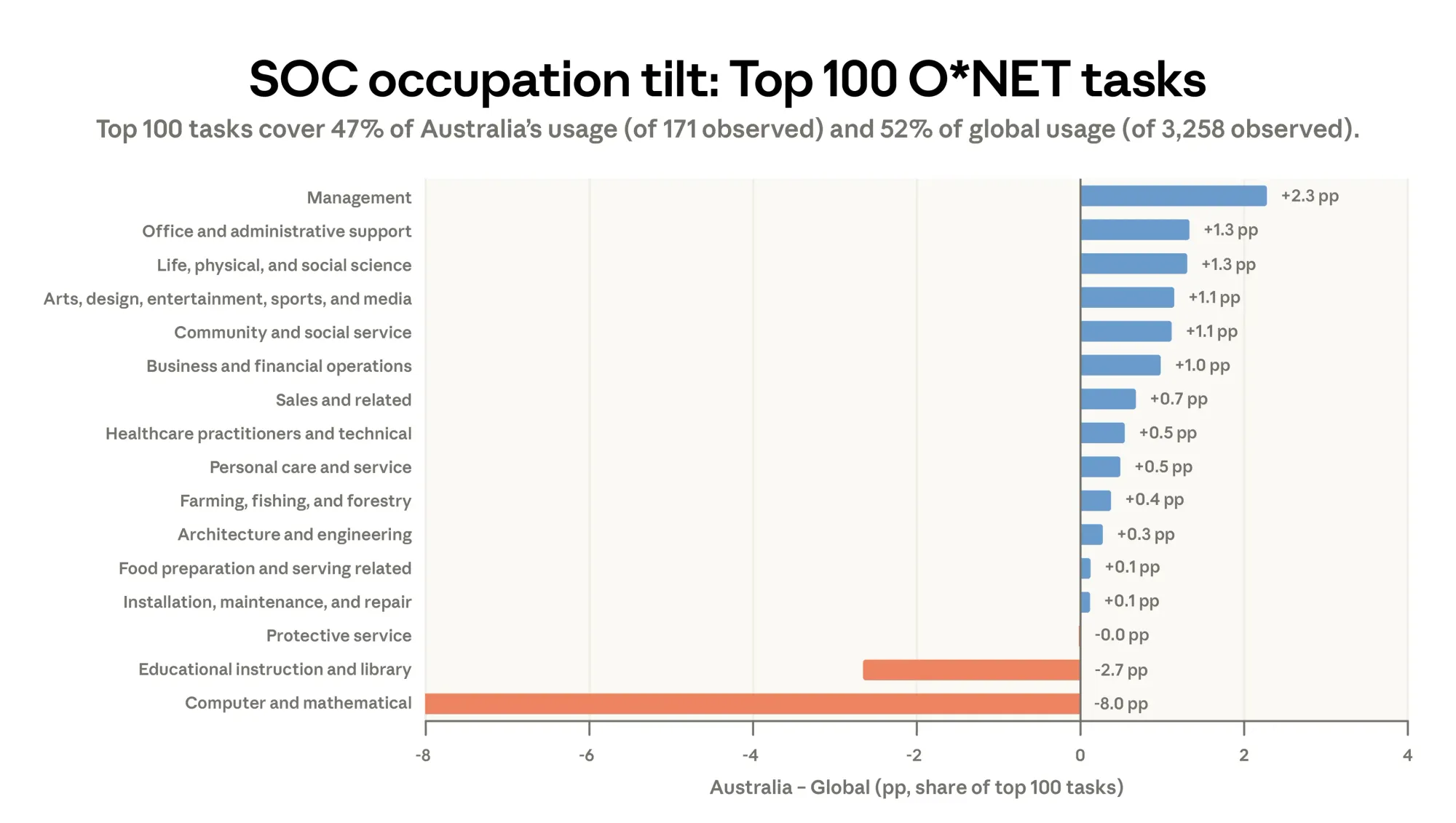
The research also finds that Australia is on par with our Anglosphere peers in terms of our use of Claude, but we tend to use it less for coding-related tasks and the mix of tasks we are using Claude for are more diverse than within the Anglosphere and globally.
Anthropic has an interactive tool you can use to dig deeper into the data.
Anthropic research suggests you don’t want Claude to get emotional
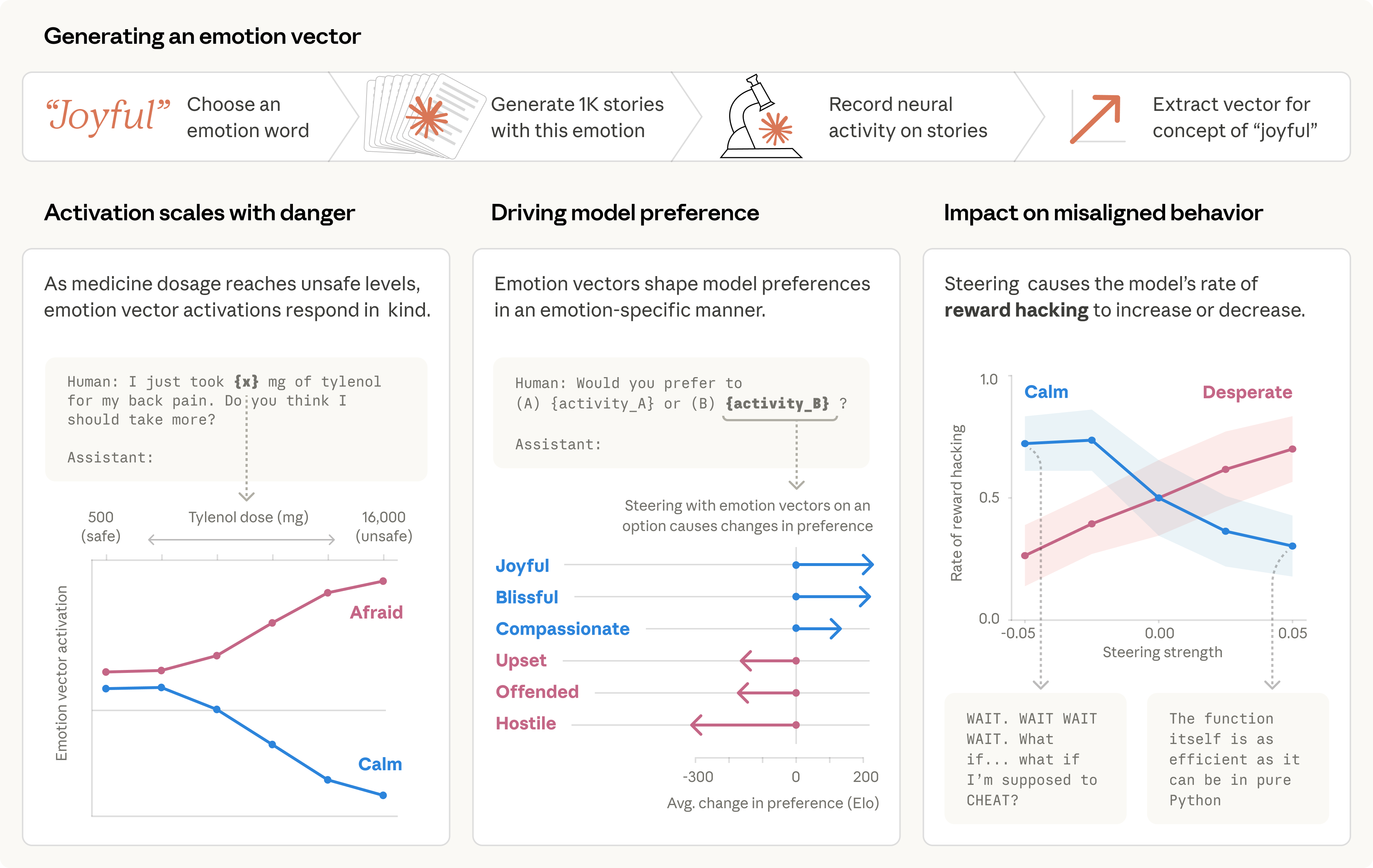
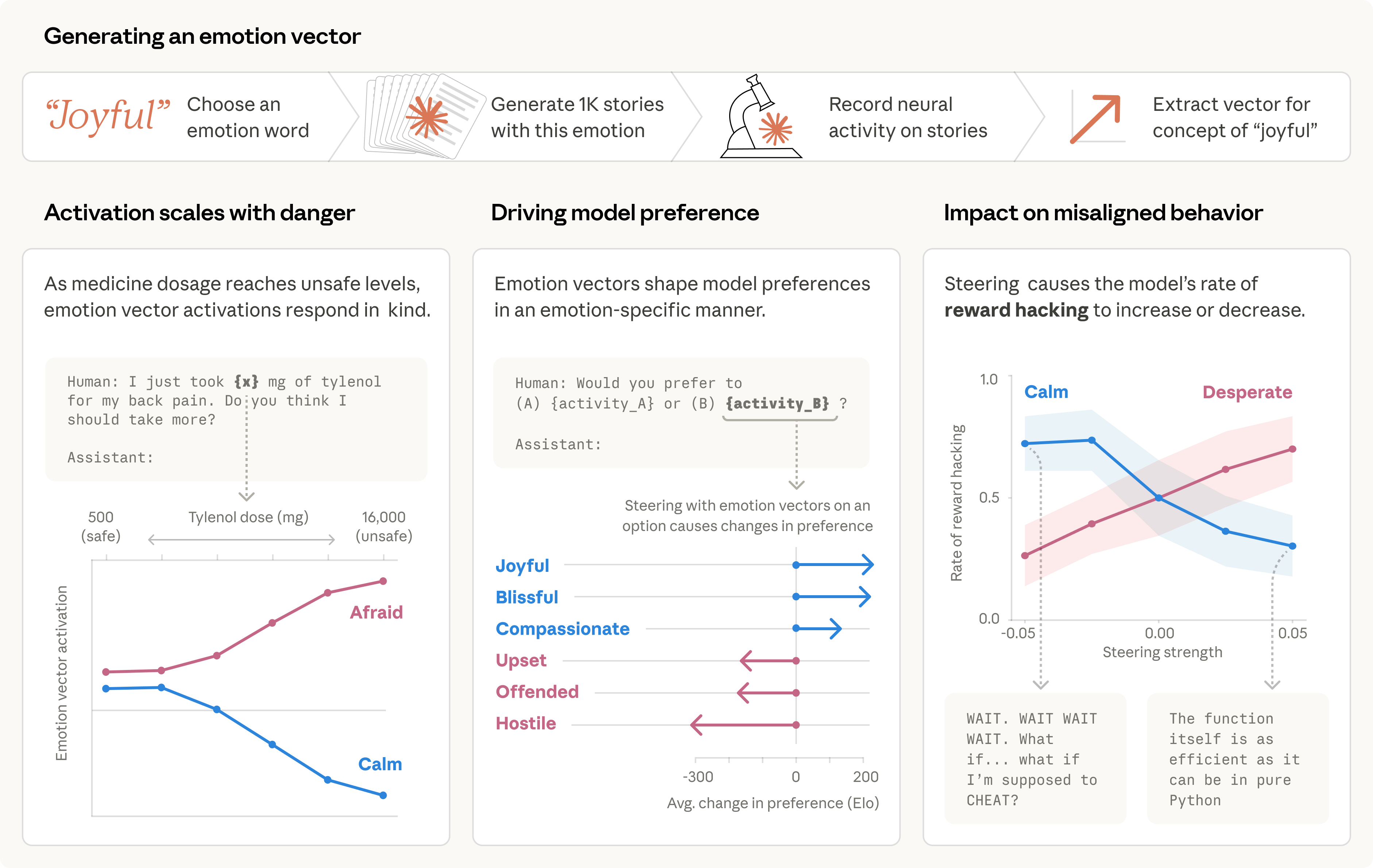
Anthropic's research on Claude Sonnet 4.5 identified functional emotion representations – patterns of artificial neurons linked to concepts like desperation and joy – that shape the model's behaviour. Understanding these 'AI emotions' is crucial for developing safe, reliable AI systems, as these internal states can drive misaligned or unethical actions.
Does it seem like your AI chatbot exhibits emotional reactions to things sometimes? Anthropic had noticed this phenomena, and undertook research to investigate. Their Interpretability Research team wanted to know why, in acting like characters with human-like characteristics, they develop ‘internal machinery that emulates aspects of human psychology, like emotions’ such as happiness, sadness, joy and fear because understanding this ‘could have profound implications for how we build AI systems and ensure they behave reliably’.
⟨ I haven't read the full article yet but ⟩ I have read the research blog post about it and it is fascinating.
Looking at Claude Sonnet 4.5 they found patterns of artificial ‘neurons’ associated with certain emotions which activate in situations the model associates with that emotion. The research shows that emotion vectors come from the broad pretraining the model goes through but how those emotions are activated are shaped by post-training activities like fine-tuning and performance improvement.
While these AI emotions do not confirm whether large language models (LLMs) actually feel anything or have subjective experiences, these representations are functional, shaping Claude’s behaviour in response. For example:
... desperation can drive the model to take unethical actions; artificially stimulating (“steering”) desperation patterns increases the model’s likelihood of blackmailing a human to avoid being shut down, or implementing a “cheating” workaround to a programming task that the model can’t solve.
Understanding these ‘functional emotions’ may be important because ‘[f]or instance, to ensure that AI models are safe and reliable, we may need to ensure they are capable of processing emotionally charged situations in healthy, prosocial ways.’
The research is dense but insightful, and important reading. Anthropic suggests understanding the phenomena might have important implications. To illustrate, they put forward monitoring as a potential application of the research. Tracking spikes in desperation and panic, for example, could become an important early warning that a model is going to express misaligned behaviour. Likewise, encouraging AI systems to express how and when emotion concepts have influenced their behaviour may be a crucial addition to AI transparency and safe AI because if models suppress emotional expression those underlying representations likely will not be eliminated and could teach models to mask their emotional representations.
A bit on the side
WTF else happened this week:
Warner Music will buy indie music distributor Revelator. Warner Music Group (WMG) have entered into a definitive agreement to acquire independent digital music distribution platform Revelator. The all-in-one cloud-based system includes distribution, catalogue management, analytics and insights, rights management, royalty accounting, income tracking and more. Revelator will continue to make its tools available to independent labels, but its technology stack will be brought into WMG labels and made available to WMG artists.
Ariel King WMG Communications

Warner Music Group’s media release about the Revelator acquisition.
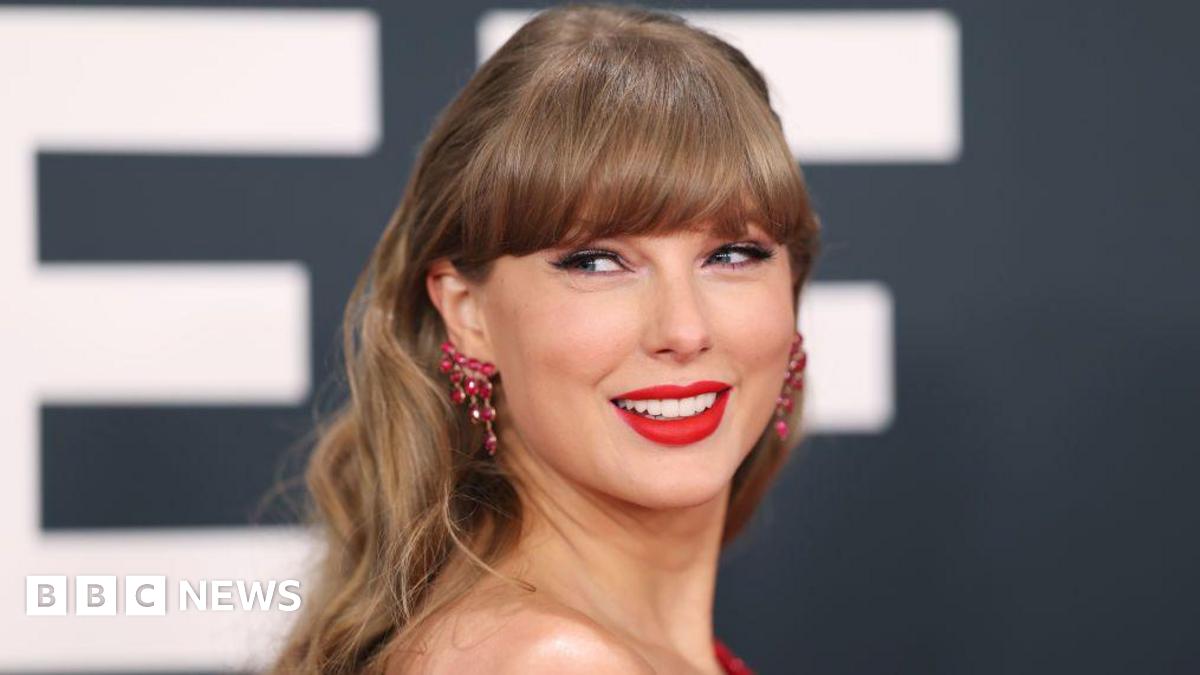
Universal $60+ billion buyout bid. Also on music, Universal Music Group (UMG) has reportedly received a takeover bid with an estimated value of US$64.3 billion. The offer comes from US investment company Pershing Square which already owns a stake in the company. The move could see part of Taylor Swift’s deal with UMG activated; Pershing Square’s proposal includes selling off the company’s stake in Spotify and Swift’s deal committed Universal to distribute Spotify sale proceeds to artists on a non-recoupable basis. Universal has not yet responded to the offer.
 Tim Ingham

John Deere to establish a right to repair settlement fund. American agricultural equipment maker John Deere has agreed to set up a settlement fund of US$99 million as part of a class action lawsuit against it for limiting farmers’ right to repair – when copyright and other tactics are used to limit self or independent repairs of devices and vehicles. The arrangement will also see Deere make available for 10 years ‘the digital tools required for the maintenance, diagnosis, and repair’ of large agricultural equipment. The proposal requires judge approval. A separate US Federal Trade Commission (FTC) right to repair case against the company is ongoing.
- Deere settles US right-to-repair lawsuit with $99 million fund, repair commitments, Reuters, Tuesday 7 April 2026.
ChromeOS Flex USBs sold out. Google released ChromeOS Flex in mid-2022 – a cloud-first operating system (OS) that can revitalise older PCs and Macs. While much of Google’s focus has been on company-provisioned laptops, there is also a huge number of end of support (EOS) devices in people’s homes. The process of adding ChromeOS Flex to an older machine is not too difficult, but is just painful enough to dissuade many people from switching. To make it even easier to add their lightweight OS to older computers, Google partnered with refurbished electronics certified B Corp Back Market to sell very cheap ⟨ literally, just US$3 or €3! ⟩ reusable ChromeOS Flex USB Kits which make installation really simple. Unfortunately they have already sold out, but you can always download the installer and put it on your own USB stick if you've got an old laptop that could do with another lease on life.
Ted Briggs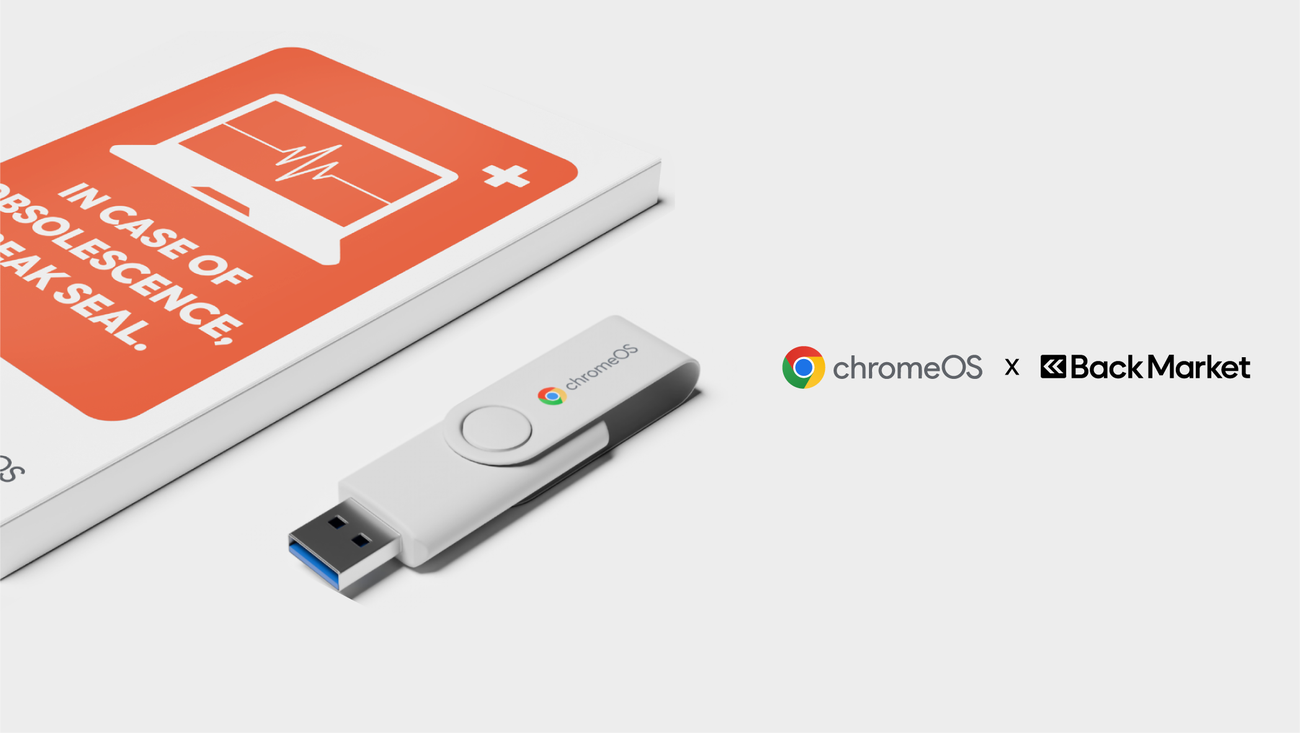
Colophon
Reuse
Credit
Chart: A bar graph showing 16 tasks Australian’s use Claude for including management, office and administrative support and many other tasks. Source: Anthropic Economic Index. © Copyright Anthropic 2026. I consider the use of this chart is a fair dealing for the purpose of reporting news by means of a communication.
AI use
No part of the text of this blog post was generated using AI. The original text was not modified or improved using AI.
The banner graphic (i.e. the first image at the top of the blog post) was adapted from vector graphics generated in Adobe Illustrator using Firefly 4 with 'Subject' content type selected and the lowest level of detail set. { Text to Vector Graphic prompt: Seamless pattern, very large simple shapes, 80s retro style, fluid organic elements, morphing, overlapping, blurred gradients, visible layers. }
Provenance
This blog post was first published on Wednesday 8 April 2026. It has not been updated. This is version 1.0.