
Woah! The US and Israel attacked Iran. The world does not need more war! It also draws attention to the dumping of Anthropic as the Department of War (DoW) AI partner and their quick replacement with OpenAI. The moral high ground and compromises expose how difficult AI ethics are in the context of military use.
Netflix has walked away from its deal to buy Warner Bros., conceding to Paramount. While there are more hoops to jump through, Paramount has passed another milestone in its ambition to take on one of the other legacy Hollywood studios (and all its child brands).
While a possible Big Content merger is on the cards, an antitrust case against Live Nation and Ticketmaster could see the ticketing giant dismantled. The US Department of Justice (DoJ) and 39 state Attorneys General are arguing that the ticketing companies wield monopoly power that should be reigned in.
And for a bit on the side, you can celebrate Open Education Week by adding your open educational resources (OER) to a map and surging demand for Meta's smart glasses has given it a huge share of the market.
Don't just read the introduction. Free members can read the entire weekly WTF now?! round-up. Sign up and keep reading.
What’s been going on?
Here's WTF happened this week:
Anthropic, OpenAI & the US war machine
Anthropic has been dumped by the US Department of War because it wouldn’t back down on two ethical points. It has since been replaced by OpenAI whose contract was announced on the same day that the US and Israel attacked Iran.
At the weekend just gone America and Israel started attacks on Iran, allegedly to diminish Iran’s military capabilities and end its nuclear ambitions. Iran has retaliated with strikes against the US and its allies in the Middle East. War is a terrible thing, and there is too much of it in the world right now.
Alongside this new conflict sits the spectre of military use of AI. It is concerning to consider what role AI has and will play in the trauma and tragic loss of life that has and will take place during this latest war. It certainly adds a grim dimension to the ongoing Anthropic–Pentagon bust up.
Despite Anthropic trying to have a genuine discussion about AI ethics, the Trump administration has retaliated by denouncing and penalising the company. On Friday, Trump took to his Truth Social platform to berate Anthropic and declare he was directing all US Government agencies to cease using Anthropic’s technologies:
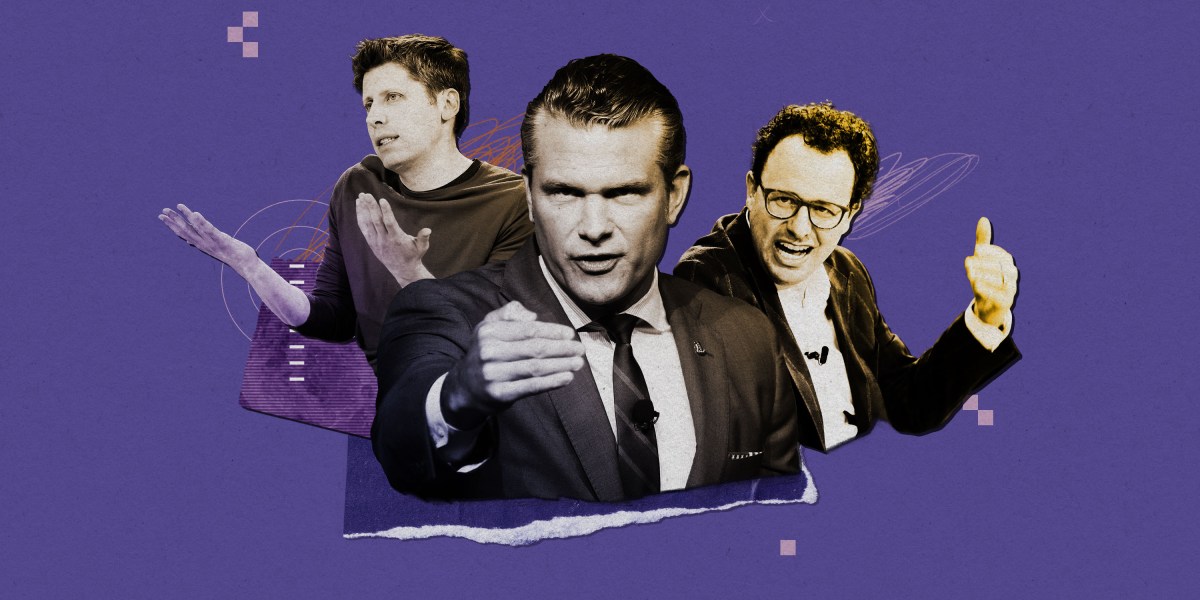
Also on Friday, the US Secretary of Defence Pete Hegseth took the unprecedented move of directing the Pentagon to designate Anthropic a supply chain risk to US national security – the first time such a designation has been given to a US company – and to cease any commercial activity with the company:
This week, Anthropic delivered a master class in arrogance and betrayal as well as a textbook case of how not to do business with the United States Government or the Pentagon.
— Secretary of War Pete Hegseth (@SecWar) February 27, 2026
Our position has never wavered and will never waver: the Department of War must have full, unrestricted…
Pete Hegseth’s X post stating the Pentagon has been directed to designate Anthropic a supply chain risk to national security.
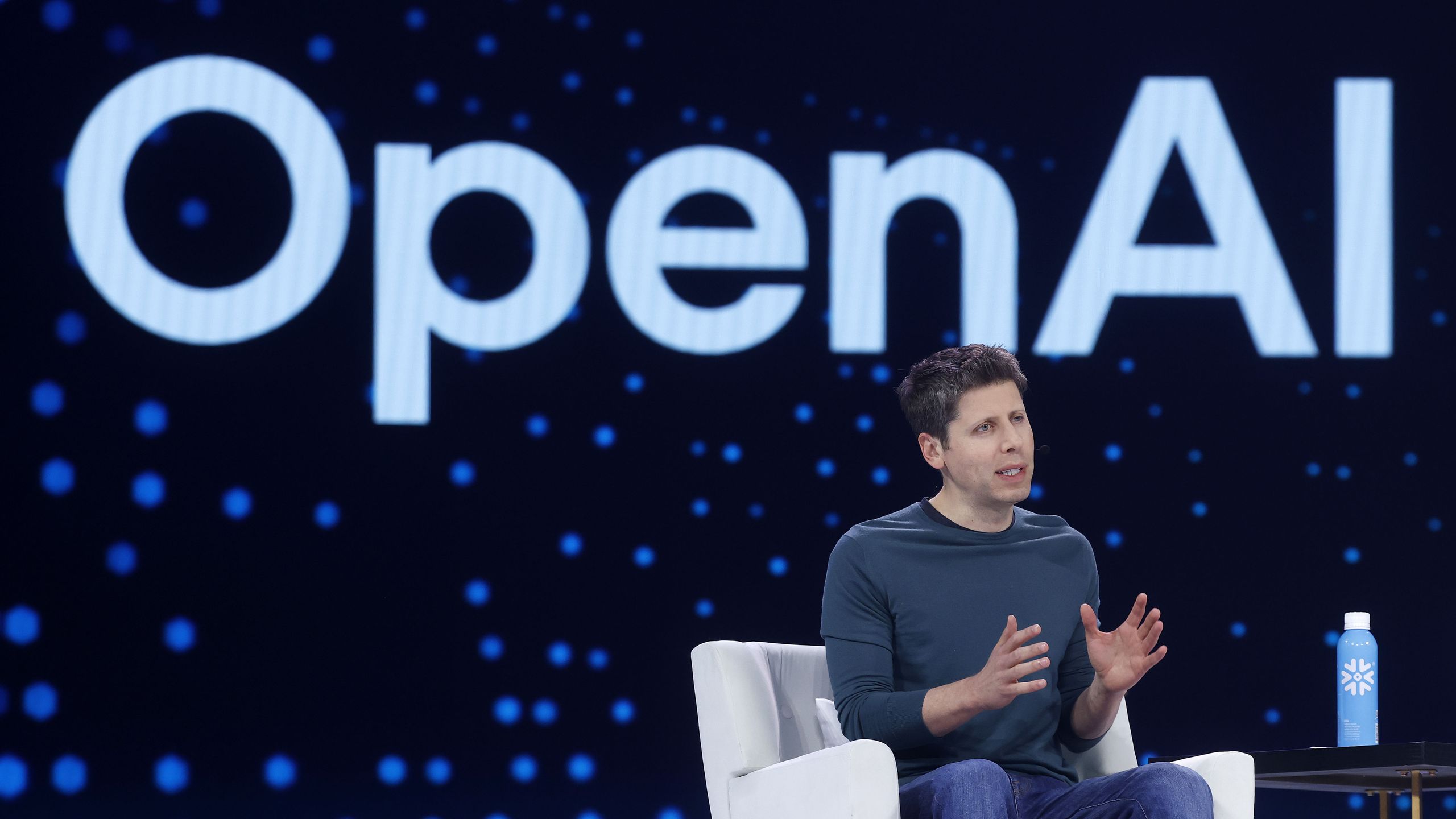
Anthropic has said it will challenge the designation in court. In the meantime, on Saturday night Sam Altman hastily announced on X that OpenAI had reached an agreement to deploy its models in the Department of War:
Tonight, we reached an agreement with the Department of War to deploy our models in their classified network.
— Sam Altman (@sama) February 28, 2026
In all of our interactions, the DoW displayed a deep respect for safety and a desire to partner to achieve the best possible outcome.
AI safety and wide distribution of…
Sam Altman’s X post announcing an agreement between OpenAI and the US Department of War.
What is weird to wrap your head around is Altman’s statement that “Two of our most important safety principles are prohibitions on domestic mass surveillance and human responsibility for the use of force, including for autonomous weapon systems. The DoW agrees with these principles, reflects them in law and policy, and we put them into our agreement.” These are exactly the points that Anthropic wouldn’t budge on. If they were part of negotiations with OpenAI and a deal was secured it makes you wonder how much devil is in the details (and of course, the terms of those agreements will not be public so we may never know exactly what compromises were made). Reading between the lines, we can assume that the arrangement limits uses for mass domestic surveillance and fully autonomous weapons on legal grounds, not ethical ones.
Whatever the specifics, OpenAI jumping into Anthropic's grave has been met with criticism. Of course, it would be seen as hasty and opportunistic. More importantly, it rightly has left many wondering what those compromises may be. While there have been earlier calls to quit ChatGPT, it will be interesting to see if this current call to cancel the AI chatbot because of the DoW deal sticks.
For those who need it, here’s a recap on the rest of the saga: a fortnight ago it came to light that Anthropic’s Claude was used during the operation to kidnap the Venezuelan President Nicolás Maduro, which was likely a key sticking point in the Anthropic–Pentagon bust up which dramatically escalated through February. Last week the DoW threatened to cancel contracts with the company if it did not allow military use of their technologies without safeguards for “any lawful use”. Anthropic opted to walk away because, as CEO Dario Amodei said in an official statement, they were concerned the DoW may use Claude for mass domestic surveillance risking fundamental rights counter to democratic values and to operate fully autonomous weapons despite frontier AI systems not being reliable enough to do so without guardrails, which don’t yet exist.
Perhaps that lack of guardrails are part of the impetus behind the updated Claude Constitution Anthropic released in late January. That document encourages Claude to be broadly safe, broadly ethical, compliant with Anthropic’s guidelines and genuinely helpful. This could be at odds with the military uses of Claude mentioned in Amodei’s statement which makes it evident Claude and custom models were embedded in the Department of War and the US government’s classified networks for use in “mission-critical applications, such as intelligence analysis, modeling and simulation, operational planning, cyber operations, and more.” It makes me wonder two things: how was Anthropic reconciling those military uses with its ‘vision for Claude’s character’? And what else does the US military have in mind for their use of AI that they don’t think was within scope of their existing contract with Anthropic?
These are big and important questions. Is the market or government the right place to answer them? As David Wroe wrote on The Strategist (the Australian Strategic Policy Institute blog), “As AI becomes integral not just to warfare but to all forms of security and civil life, the stakes for people are going to become too high for governments to act only as customers and occasional regulators.” Given Australia has largely dropped mandatory guardrails you could say Australian isn’t even occasional regulators. What the new OpenAI–DoW agreement demonstrates is why we need to urgently get to a multistakeholder approach to ethical AI: industry, government, civil society and academia all need a seat at the table.
 Dara Kerr

 David Nield
 Bianca Baggiarini
 James O’Donnell
Big Content getting bigger as Paramount moves a step closer to Warner Bros. buyout
Netflix have pulled out of their takeover bid of Warner Bros., paving the way for a merger with Paramount.
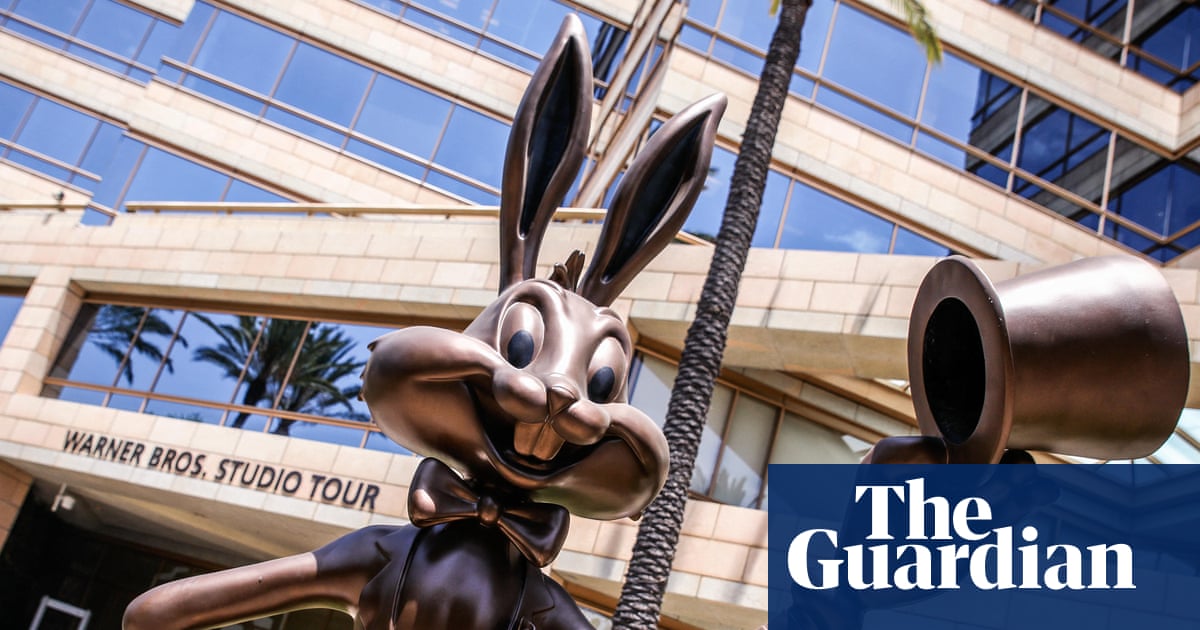
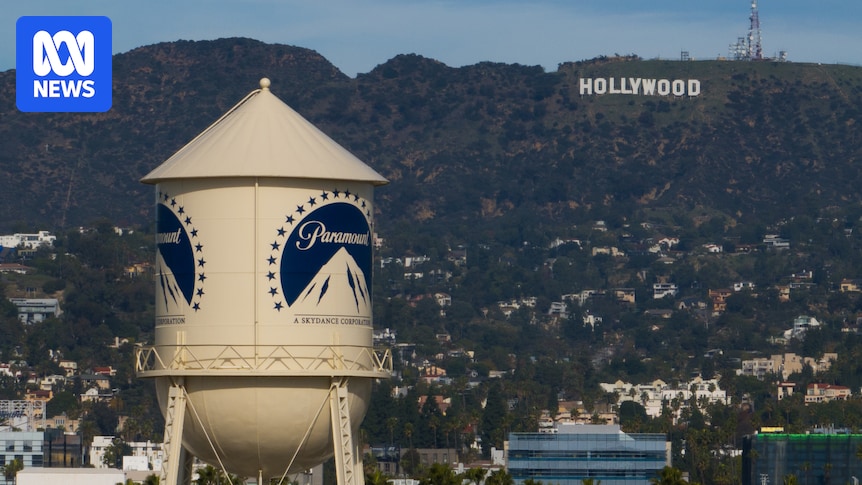
The Warner Bros. Discovery buyout has progressed to the next stage with Paramount Skydance prevailing over Netflix who pulled out saying it was unwilling “to raise its offer”. In December last year the streaming giant announced it had reached a deal to acquire Warner Bros.’s studio and streaming properties. Paramount quickly challenged Netflix’s buyout, leading to a bidding war between the two media companies. Paramount’s ‘superior proposal’ triggered the opportunity for Netflix to propose changes to their original merger proposal which Netflix decided not to do. So Paramount’s proposal proceeds and will see it pay $111 billion USD for all of Warner Bros., including CNN, DC Entertainment, Discovery, HBO, Food Network, New Line Cinema, Warner Bros. and many other brands. Of course, Network 10 will become an even smaller player in a huge media empire if the deal goes through.
Paramount is pitching the merge as necessary to “give it the scale it needs to compete with Netflix”. The merged Paramount–Warner Bros. entity will hold 15,000 titles in their aggregated copyright and IP library, it will merge the Paramount+, HBO Max and Pluto streaming services and improve the company’s technology for a better customer experience. Paramount and Warner Bros’. filmmaking arms will run independently, with Paramount committing to 15 cinema releases each a year. They have also said they will look to save through job cuts in “duplicative operations”.
While the deal still needs regulatory approval, the US Federal Communications Commission (FCC) Chair Brendan Carr has signaled the communications regulator will not stand in the way of the merger. We will wait to see what comes of a review of the deal by the US Department of Justice (DoJ), especially in light of the friendly relationship between Paramount Chairman and CEO David Ellison and his family and Donald Trump.
And talking about Ellison’s family, they are one of the financial backers of the takeover deal. Ellison’s father Lawrence Ellison was a Co-Founder of Oracle and is its Chairman and Chief Technology Offier (CTO). ⟨ For an indepth albeit troubling look at what this relationship may mean, I recommend David Folkenflik’s analysis on NPR. ⟩
 Jeremy Barr




- Paramount to acquire Warner Bros. Discovery to form next-generation global media and entertainment company, Paramount, Friday 27 February 2026.
- Paramount and Warner Bros' deal is about merging studios, and a whole lot more, David Folkenflik, NPR, Friday 27 February 2026.
Live Nation–Ticketmaster antitrust gets underway in the US
Anti-trust action against Ticketmaster and Live Nation has started in the US which, if successful, could force the pair to separate and drastically change the live music industry.
The Live Nation–Ticketmaster anti-trust matter being pursued by the US DoJ and 39 state Attorneys General got going in Manhattan yesterday. The governments are attempting to argue that Ticketmaster and its parent Live Nation have a monopoly over concert promotion, artist management, venue operations and ticketing services to shut out competitors through a well oiled program of bullying and retaliatory tactics. These underhanded actions, the DoJ and the attorneys general will try to demonstrate, are used to pressure venues. Their playbook allegedly involves vertically integrated leverage, multi-year exclusive contracts and withdrawing high-profile artists from a venue that tries to switch to another ticketing provider. ⟨ I have said it before, but if you want the DL on Ticketmaster read the chapter on them in Professor Rebecca Giblin and Cory Doctorow’s Chokepoint Capitalism ⟩
The DoJ and its fellow plaintiffs are trying to establish that Live Nation and Ticketmaster have illegally monopolised the position in these markets for their own gain. If they are successful it could see the companies forced to split.
Live Nation has tried to argue a corporate break up should be off the table and has repeatedly tried to get the matter thrown out, but US District Judge Arun Subramanian allowed it to go to trial. Now they are reportedly putting on the charm offensive with personal anecdotes, catch phrases such as “Saying you’re better is not a THREAT!” and planned ‘guest appearances’ in the witness box by Kid Rock and Ben Lovett of Mumford and Sons.
Separately, the US Federal Trade Commission (FTC) is pursuing a separate matter against Ticketmaster and its parent Live Nation claiming they colluded with exploitative ticket resellers to gouge music fans. With other legal action against the companies from music fans themselves, we could be in for a shake up of what has become the live music status quo. The ripple effects could ultimately see pressure put on Live Nation Australia and Ticketmaster Australia, the companies’ local subsidiaries. ⟨ although it leaves me wondering what ever happened to the government’s pledge to crack down on opaque concern ticket prices back when Lady Gaga was touring Australian? ⟩
A bit on the side
WTF else happened this week:
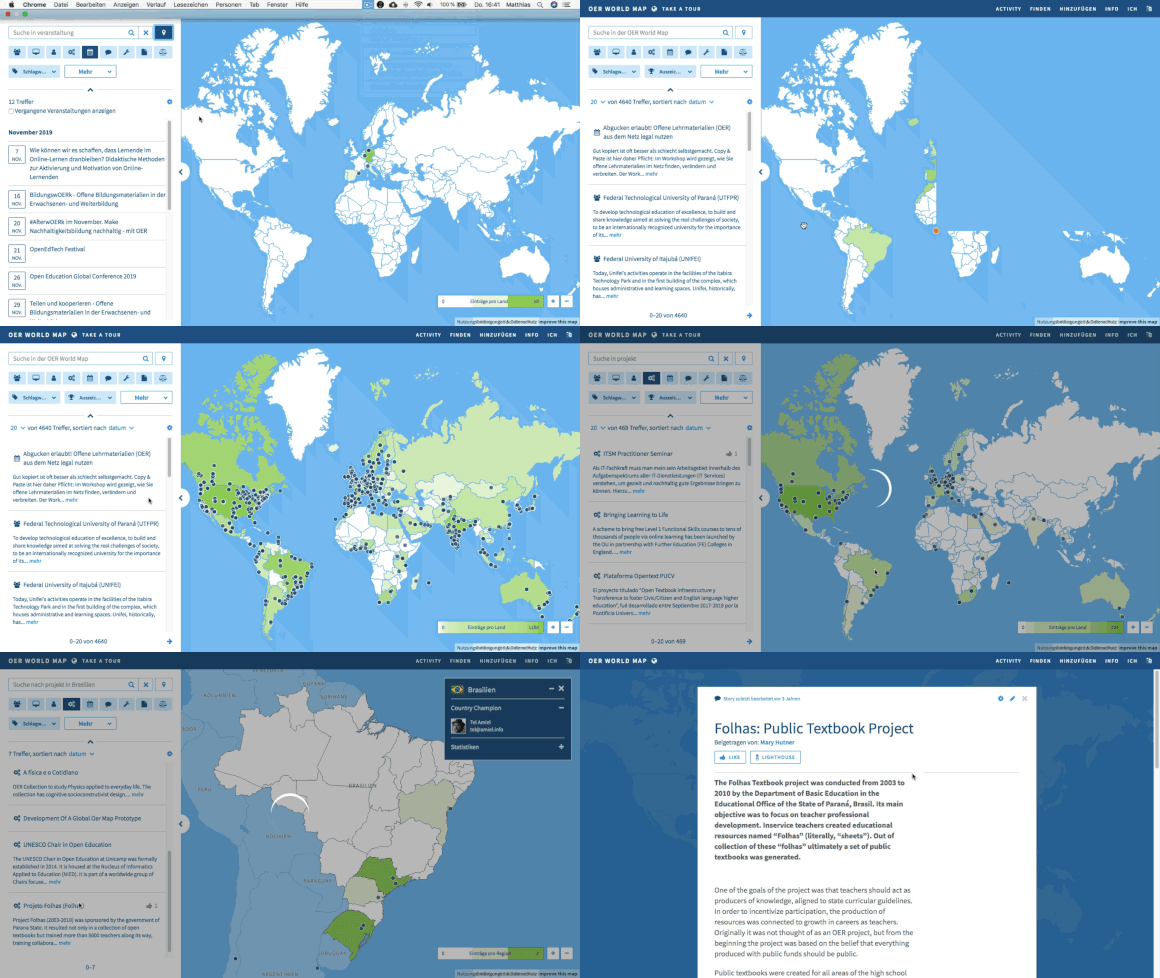
Mapping open education. Happy Open Education Week! It is important to celebrate open educational resources (OER) and why they are important to equitable education. As part of this year’s event Open Education Global is mapping the global pool of shared educational knowledge. It would be great to see some more of the amazing Australian OER plotted on the OER World Map.


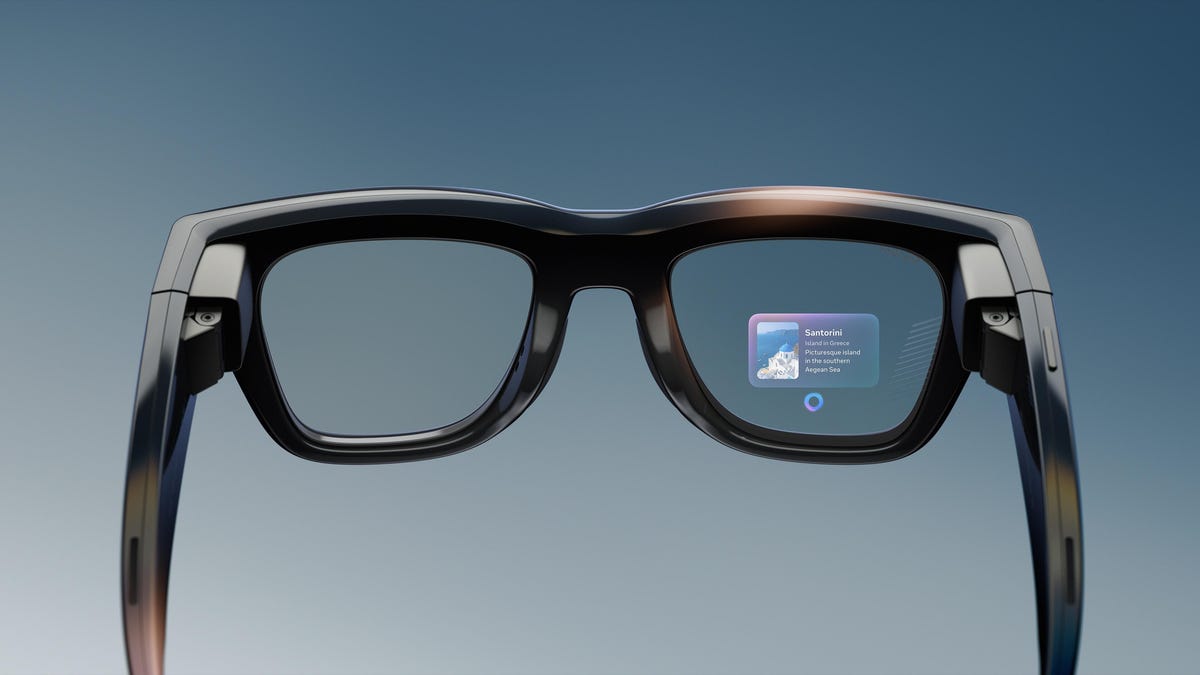
Meta dominates the smart glasses market. The smart glasses market has grown 139 per cent year-over-year in the second half of 2025 compared to the previous year. In 2025, over 7 million Meta Ray-Bans and Oakley Meta were sold and the company now accounts for 82 per cent of smart glasses sales. As smart glasses keep going mainstream and Meta makes its way onto more faces, they will continue to change where and how we interact with AI, but it will also clash with privacy and surveillance concerns.
 See full bio
Colophon
Reuse
AI use
No part of the text of this blog post was generated using AI. The original text was not modified or improved using AI.
AI was used to generate ideas and interogate the subject matter of this blog post, but no AI-generated content was used verbatim.
The banner graphic (i.e. the first image at the top of the blog post) was adapted from vector graphics generated in Adobe Illustrator using Firefly 4 with 'Subject' content type selected and the lowest level of detail set. { Text to Vector Graphic prompt: Seamless pattern, very large simple shapes, 80s retro style, fluid organic elements, morphing, overlapping, blurred gradients, visible layers. }
Provenance
This blog post was first published on Wednesday 4 March 2026. It has not been updated. This is version 1.0.