


This week’s round-up is mostly about the arts. As the new university year nears a triad of factors are behind a self-perpetuating cycle of declining creative arts enrolments. Trump is closing the Kennedy Centre for renovations, saying it is because the performing arts centre is “tired, broken, and dilapidated.” Trump didn’t mention all the acts that have cancelled their performances, but surely that has had an impact. And speaking of renovations, three major Australian arts venues are set to open this year.
Also: Spotify distributed $11 billion in royalties and still thinks it is the saviour of music while Sony Music entered an investment partnership to buy up more music catalogues. And Anthropic have released a new constitution for its AI model Claude – just in the nick of time given their stoush with the Pentagon.
Don't just read the introduction. Free members can read the entire weekly WTF now?! round-up. Sign up and keep reading.
What’s been going on?
Here's WTF happened this week:
Creative arts just 5.6 per cent of university offers
2026 study offer figures show creative arts degrees were the sixth lowest area of study offered which is fed by a polycrisis triad of declining secondary schools arts subjects enrolments, fewer students enrolling in high-cost university creative arts and arts and humanities degrees and the closure or reduction of creative arts by universities as a result. Urgent policy change is needed to redress the impact.
The Australasian Conference of Tertiary Admissions Centres (ACTAC) has released 2026 study offer figures showing that health is the most popular area of study for new undergraduates with 22.2 per cent of offers. Creative arts degrees were the sixth lowest on the list of 12 study areas. They made up 5.6 per cent of offers. Society and culture – which includes degrees like law, arts and humanities and psychology – represented 21.8 per cent of offers.
While this may not seem that significant, you may think differently if you read a recently published academic article by Professor Sandra Gattenhof and Dr John Nicolas Saunders published in the Australian Journal of Education. I have written a more detailed look at the paper (for subscribers) but the gist of it is that arts and creative education has disappeared from primary schools while enrolment in arts subjects in secondary schools are also down. Relatedly, many creative arts degrees in tertiary institutions have been reduced or ceased because the degrees are comparatively more expensive because of the Morrison government’s 2020 Job-Ready Graduates (JRG) policy. Cost becomes a deterrent and so fewer students are undertaking them. They frame this as a polycrisis – a triad of impacts that are feeding each other.
Data from Australian Curriculum, Assessment and Reporting Authority (ACARA) shows that in the 10 years from 2012 to 2022 enrolments in Year 12 arts subjects saw a 6.4 per cent decrease in the number of male-identifying students enrolled. The drop is even more pronounced for female-identifying students; in 2022, 26.9 per cent of female-identifying students were enrolled in a Year 12 arts subject, a 10.7 per cent decrease from 2012. JRG saw fees to undertake creative arts courses go up by 19 per cent from 2020 to 2021 and then by 42 per cent from 2020 to 2026.
Courses such as media, communications, curatorial and museum studies, other society and culture degrees and the humanities saw degree costs increase by 116 per cent between 2020 and 2021 and by 160 per cent between 2020 and 2026. And there has been a downturn in enrolments in creative arts degrees nationally of 4.5 per cent between 2008 and 2023. A survey by the National Advocates for Arts Education (NAAE) showed that 48 creative arts degrees had been discontinued between 2018 and 2025, with a further eight courses and majors significant reduced, either through reductions in unit offerings, downgrading majors to minors, collapsing standalone degrees into generic umbrella degrees, decreased face-to-face teaching time or a shift from in-person to online delivery. This is impacting the supply of arts teachers meaning over a quarter of arts teachers and 18 per cent of performing arts teachers were teaching out-of-field (i.e. in subjects that are outside their area of formal qualification or disciplinary expertise).

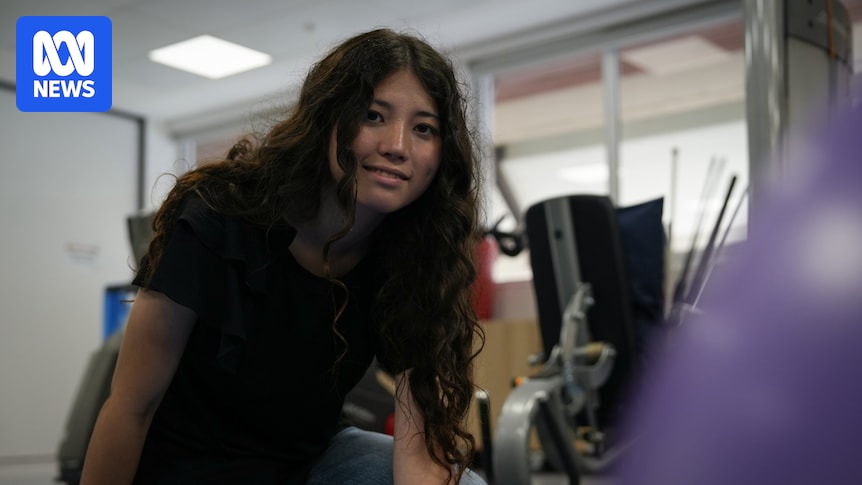
- The Polycrisis for Arts and Creative Education in Australia by Sandra Gattenhof and John Nicolas Saunders in the Australian Journal of Education.
Kennedy Centre to close for two years for renovations
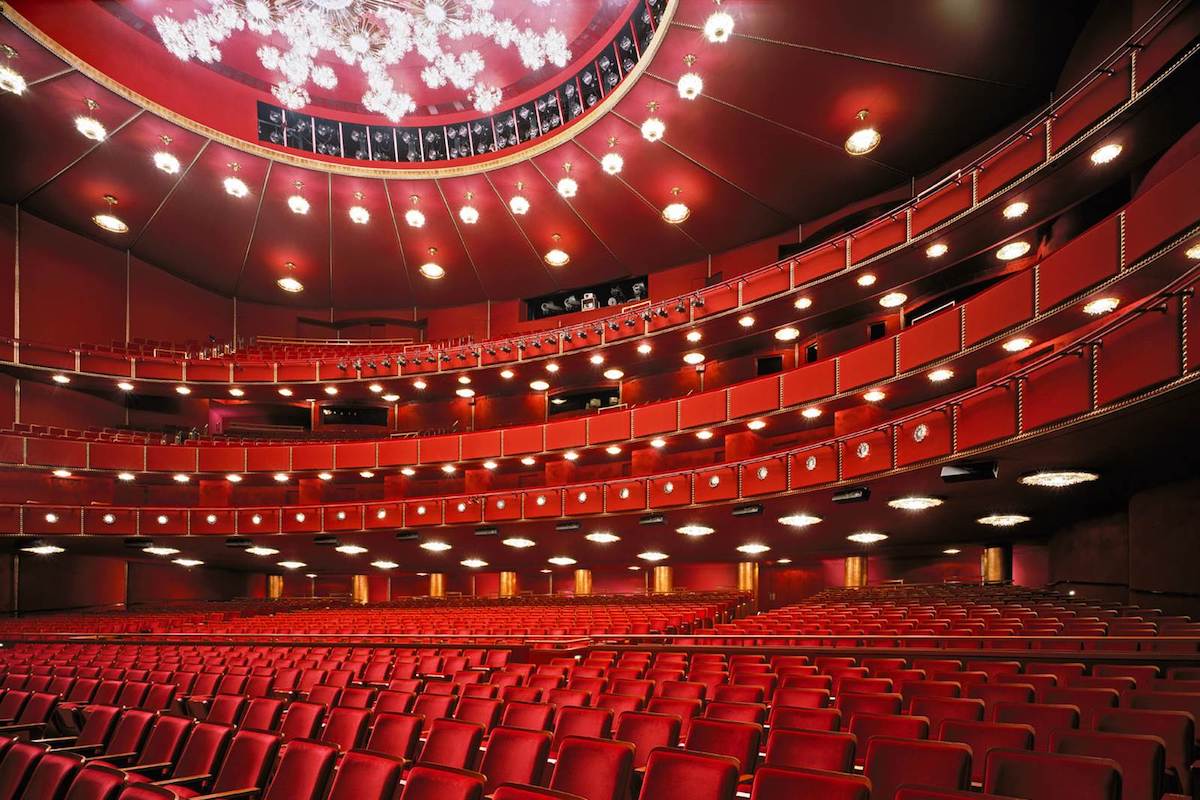
Trump has announced the closure of “a tired, broken, and dilapidated” Kennedy Centre for two years to bring back “better than it has ever been”. It seems, rather than fact the numerous cancellations by notable acts – including most recently celebrated composer Philip Glass – Trump will just close the doors.
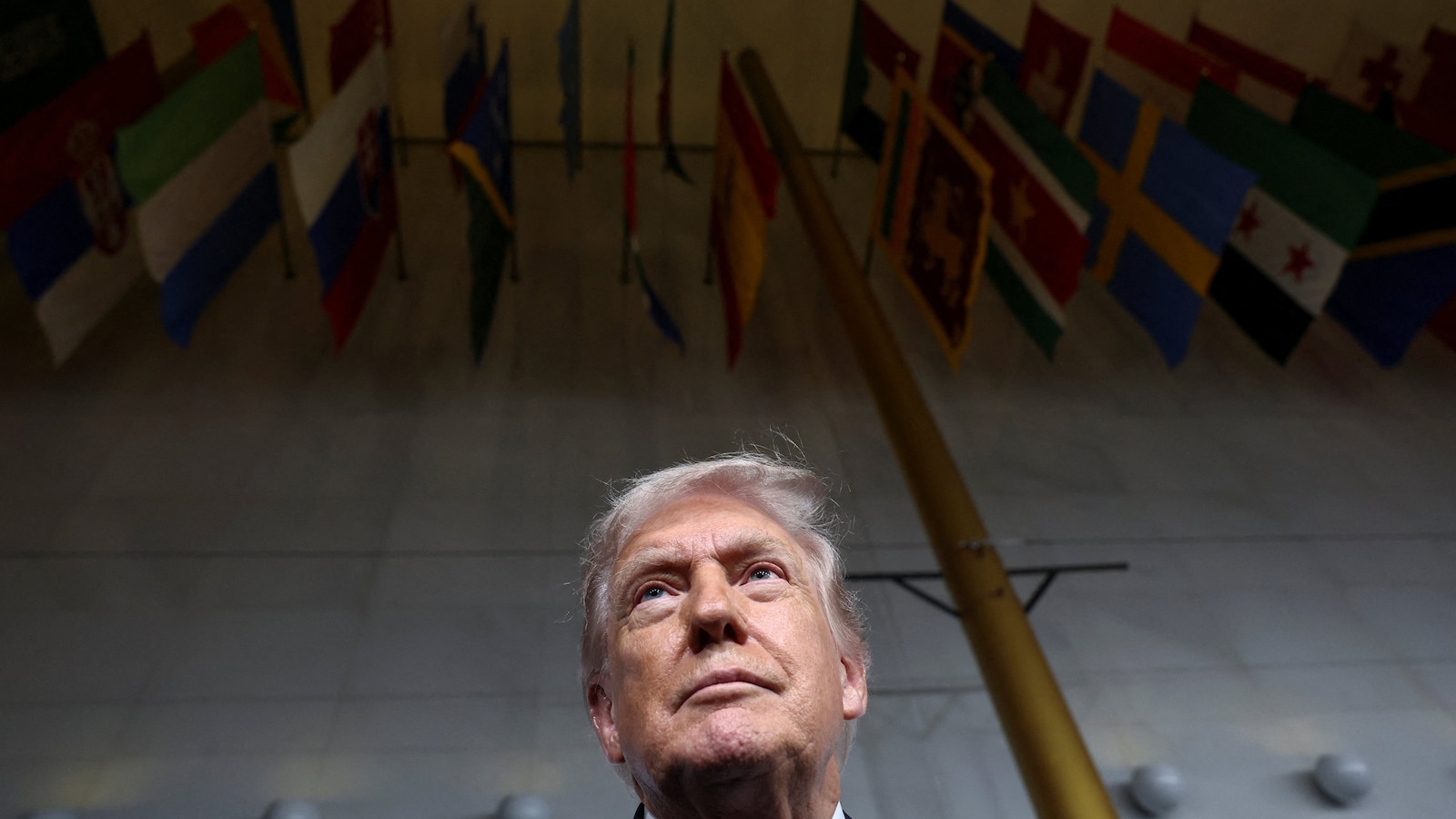
This week US President Donald Trump announced that the Kennedy Centre would close for renovations for two years from 4 July this year, “... tak[ing] a tired, broken, and dilapidated Center, one that has been in bad condition, both financially and structurally for many years, and turn it into a World Class Bastion of Arts, Music, and Entertainment, far better than it has ever been before.”
While the decision to close the venue is subject to Board approval, we know the current trustees are Trump cronies so it is very likely it will be waved through.
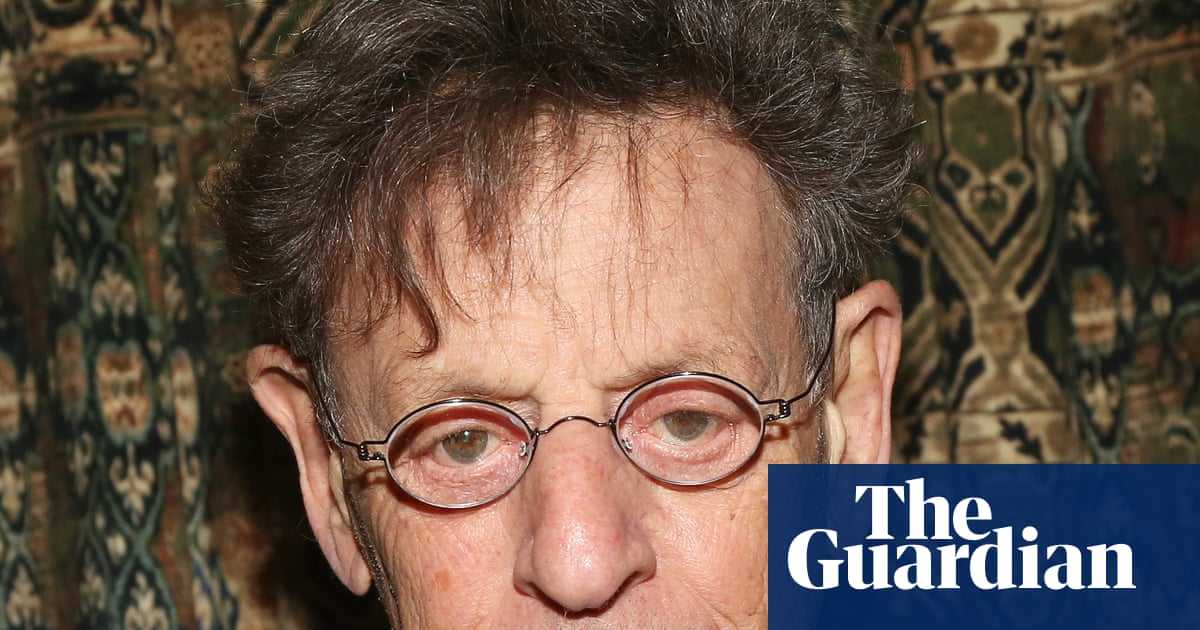
Of course, Trump’s reasons for the closure do not mention the slew of artists who have cancelled their appearances or the criticisms the performing arts centre and the Trump administration have copped for their hostile takeover of the much beloved institution. Most recently, celebrated composer Philip Glass has pulled his Symphony No 15 ‘Lincoln’ from its world premiere at the Kennedy Centre. His X post says it succinctly:
— Philip Glass (@philipglass) January 27, 2026
Philip Glass’s X post announcing the withdrawal of ‘Lincoln’ from the Kennedy Centre.
US Representative Chellie Pingree, a Democrat who sits on the panel that oversees funding for the Kennedy Center, is seeking legal advice on whether Trump can close the performing arts venue without approval from Congress. She told ABC News, "This is just shutting it down because he has to cover up that he's run the place into the ground."

 Maya Yang
 ABC News
QPAC, Art Centre Melbourne and Powerhouse venues opening this year
Three major arts facilities are due to open this year: QPAC’s Glasshouse Theatre next month, the Ian Potter State Theatre at Art Centre Melbourne will reopen in October and the new Powerhouse Parramatta will open in December. Meanwhile Powerhouse Ultimo’s arched Wran Building is being taken down as part of that site’s refurbishment.
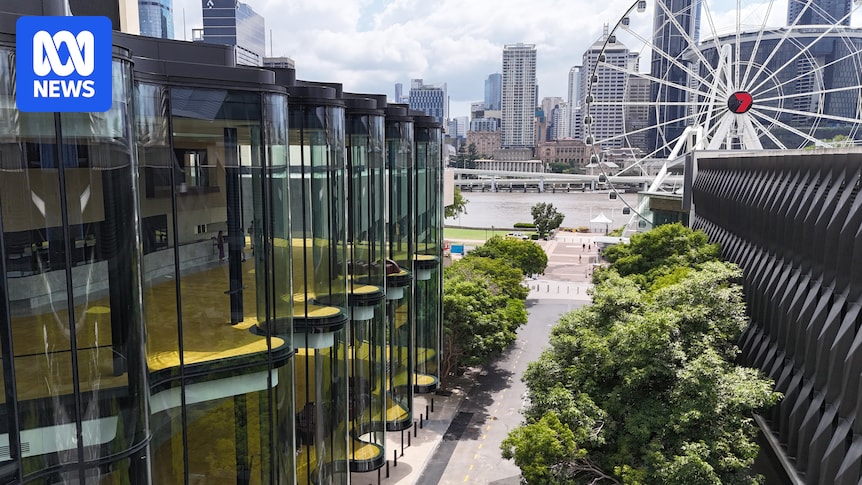
Speaking of renovations in the arts and cultural facilities, the much anticipated and much delayed Glasshouse Theatre at QPAC will throw open its doors in May – four-years later than planned. Brisbane-based architects Blight Rayner designed it in collaboration with Snøhetta. For those wanting to see behind the iconic curved glass façade the Community Day this Saturday (7 March 2026) is a chance to explore the new theatre.
The first performances in the theatre are Queensland Ballet’s Messa da Requiem, followed by Sting’s The Last Ship and then The Drover’s Wife – The Opera.
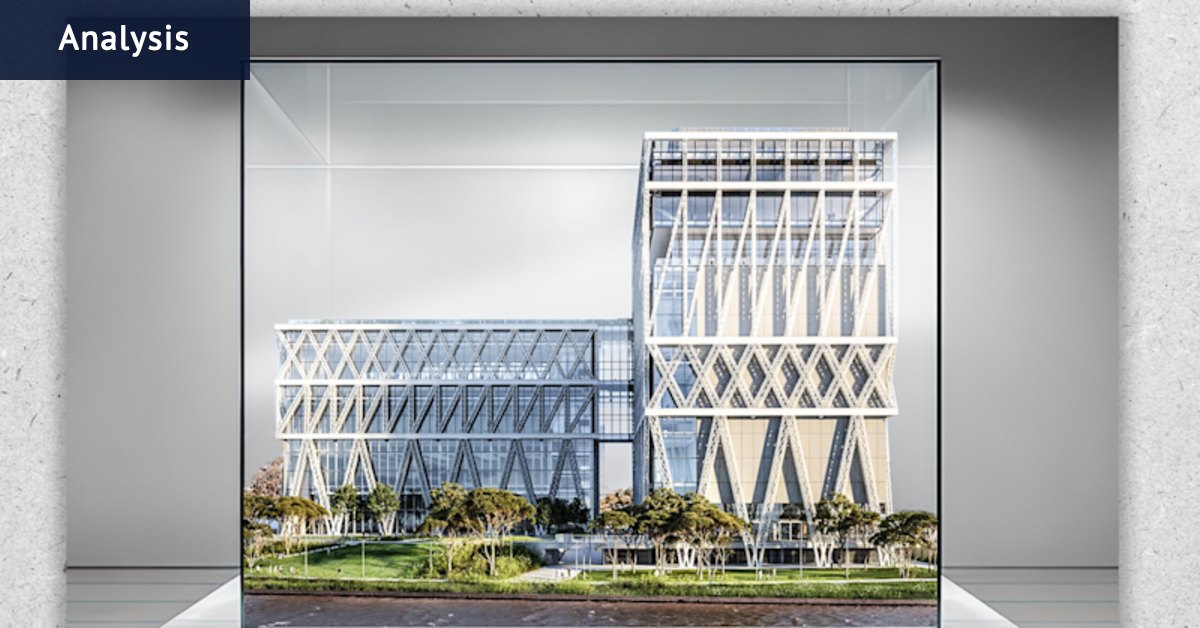
In Melbourne, the Victorian government recently announced that the renovated State Theatre at Art Centre Melbourne will reopen in October – six months earlier than anticipated. Now known as the Ian Potter State Theatre it is the first completed milestone in the $1.7 billion Melbourne Arts Precinct Transformation project.
This week the Melbourne Arts Precinct Corporation (MAP Co) also announced that First Nations artists Brooke Wandin and Tarryn Love will create public art commissions for Laak Boorndap, the urban garden that will connect the new The Fox: NGV Contemporary, NGV International, Arts Centre Melbourne’s Hamer Hall and Theatres Building (under the Spire) and The Primrose Potter Australian Ballet Centre.
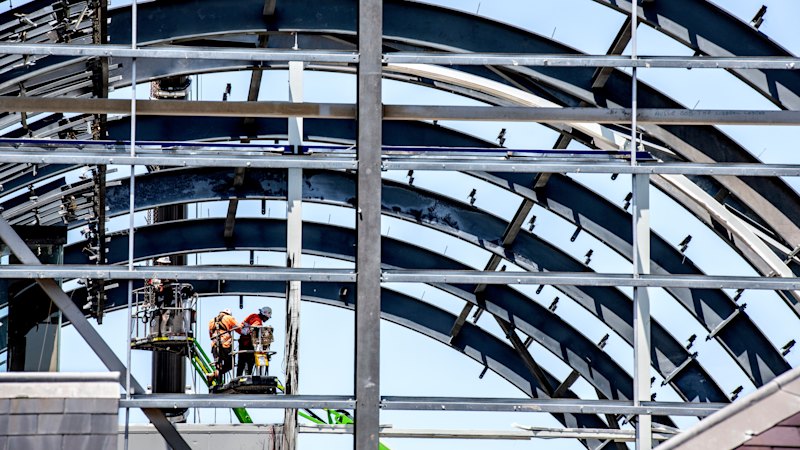
While Powerhouse Parramatta is not quite ready to open its doors – that will happen in December this year – its sister site in Ultimo is undergoing a renovation that recently claimed the well-known arches of the Wran Building.
While the renovation will reorient the museum toward the light rail line and introduce a subterranean theatre, library and artisan studios, there are concerns that both sites will adopt a programming approach like Carriageworks, showing a mix of exhibitions, live performance and concerts rather than delivering an applied arts and sciences program and showcasing the Powerhouse’s extensive collection.
 ABC Radio Brisbane: Kenji Sato
 Linda Morris
 Linda Morris
- Melbourne's State Theatre to Reopen 6 Months Early
- Artists selected for public art commissions for Melbourne’s new garden Laak Boorndap
A bit on the side
WTF else happen this week:
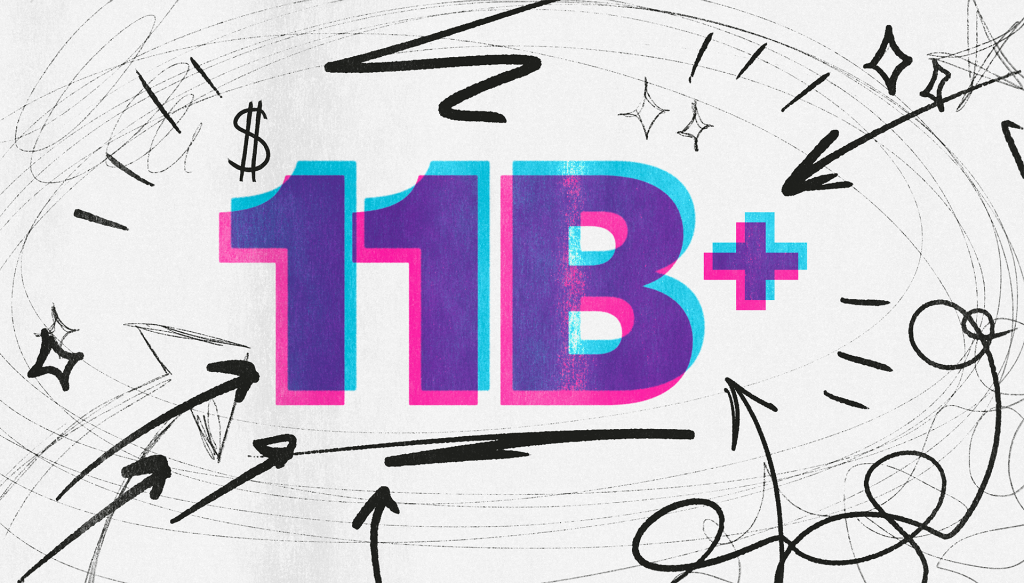
Spotify still thinks it is the saviour of music. Spotify has announced it paid out $11 billion in royalties last year, $1 billion more than the previous year. They proudly proclaim that they account “roughly 30% of recorded music revenue”, is the “primary driver of industry revenue growth in 2025” and that “there are now more artists generating over $100k/year from Spotify alone than were getting stocked on record store shelves at the height of the CD era.” As Terrence O'Brien notes on The Verge, “this doesn’t mean that Spotify paid out $11 billion to musicians and artists. That money went to “rightsholders.” That includes labels, distributors, publishers, and more.”
 Lauren.Petersongroupsjr.com
 Terrence O’Brien

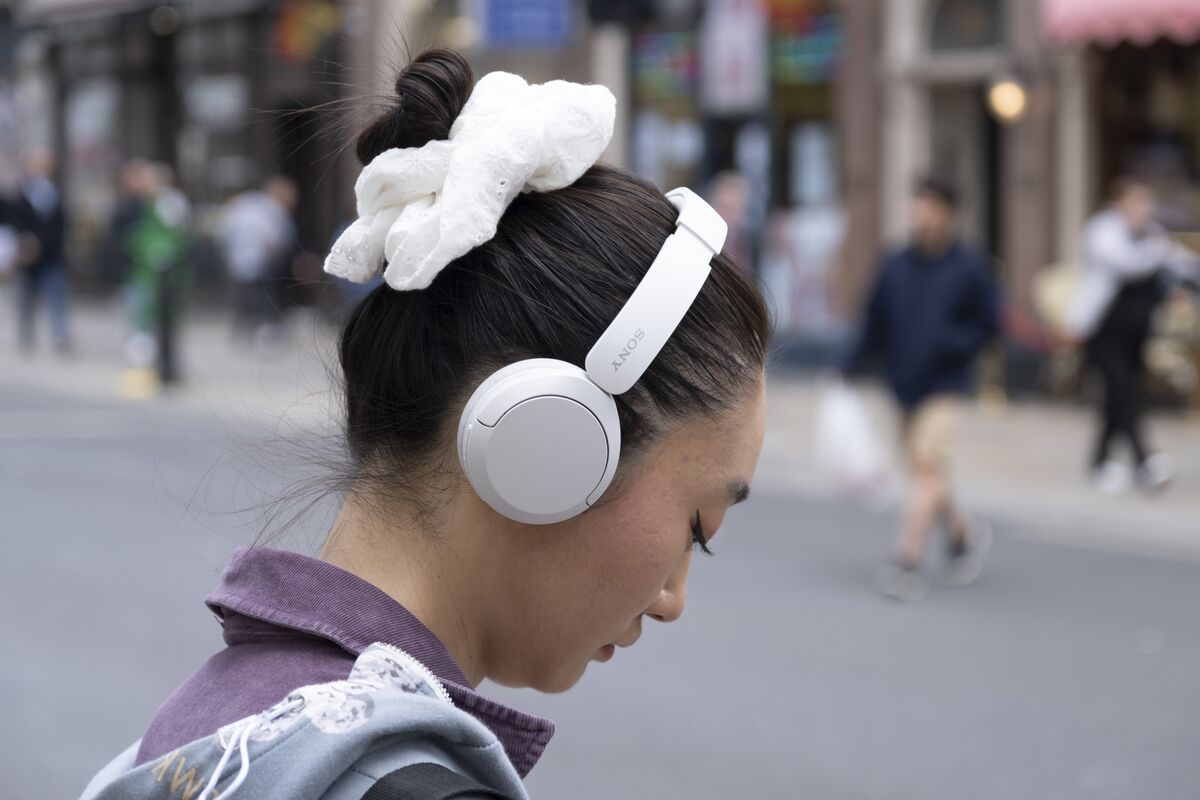
Sony partners to acquire music catalogues. Sony Music Group has established an investment partnership with Singaporean institutional investor GIC “... bring[ing] together long term capital and Sony Music Group’s operational capabilities to acquire and manage premier catalogs, creating new opportunities for artists’ and songwriters’ music globally.” The partnerships will reportedly “include $2 billion to $3 billion in investment.”
 Lucas Shaw
- GIC and Sony Music Group Announce New Investment Partnership, Sony Music, Wednesday 28 January 2026
Inward looking Claude’s Constitution to guide its ‘ethical character’. Anthropic have put out a new constitution for its AI model Claude; “... a detailed description of Anthropic’s vision for Claude’s values and behavior; a holistic document that explains the context in which Claude operates and the kind of entity we would like Claude to be.” The document says that it wants Claude models to be broadly safe, broadly ethical, compliant with Anthropic’s guidelines and genuinely helpful. Also, it is released into the public domain under a CC0 dedication.
 Hayden Field



Anthropic’s media release about the new Claude Constitution.
Anthropic and Pentagon at odds on AI for military uses. The release of Anthropic’s new Claude Constitution is interest timing given the AI company is reportedly tussling with the Pentagon over Department of War use of its AI, raising concerns they could use it to spy on Americans or assist weapons targeting without sufficient human oversight. The Pentagon thinks they should be able to deploy commercial AI technology regardless of companies' usage policies, so long as they comply with US law but would likely need Anthropic’s cooperation to bypass safeguards.
- Exclusive: Pentagon clashes with Anthropic over military AI use, sources say by Deepa Seetharaman, David Jeans and Jeffrey Dastin on Reuters.
Colophon
Reuse
AI use
No part of the text of this blog post was generated using AI. The original text was not modified or improved using AI.
The banner graphic (i.e. the first image at the top of the blog post) was adapted from vector graphics generated in Adobe Illustrator using Firefly 4 with 'Subject' content type selected and the lowest level of detail set. { Text to Vector Graphic prompt: Seamless pattern, very large simple shapes, 80s retro style, fluid organic elements, morphing, overlapping, blurred gradients, visible layers }
Provenance
This blog post was first published on Wednesday 4 February 2026. It has not been updated. This is version 1.0.