
As an arts marketer the release of each edition of the National Arts Participation Survey is akin to Christmas so I am very keen to dig into the 200+ page report on how Australians participate in and view the arts. Creative Transformations is the latest edition. There is a lot to get across but I have shared some of what I learned from the release webinar today.
Speaking of Creative Australia, it looks like antisemitic guidelines tied to federal arts funding will be coming soon. The move is tied to the Special Envoy’s Plan to Combat Antisemitism which adopts the controversial International Holocaust Remembrance Alliance (IHRA) working definition which raises questions about who will be deciding when arts and cultural expression is or isn’t antisemetic.
Submissions to the next National Cultural Policy closed 10 days ago. While we wait for all the submissions to be published I have taken a look at some of the responses that are already public. Find out what Live Performance Australia, A New Approach (ANA), BlakDance, Diversity Arts Australia (DARTS) and the National Association for the Visual Arts (NAVA) are calling for in the next policy.
On tech, the vulnerability of undersea internet infrastructure is currently in the spotlight, the Australian Government has appointed a General Manager of the new AI Safety Institute and Malaysia’s social media minimum age legislation came into effect this week.
Plus a court has put an end to Donald Trump’s name being added to the name of the Kennedy Centre and the Wikimedia Foundation has responded to claims their recent layoffs of the Community Tech team and restructuring of where the Community Wishlist sits was motivated by union activity by Foundation staff.
Don't just read the introduction. Free members can read the entire weekly WTF now?! round-up. Sign up and keep reading.
Rapid-fire
A short list of other things:
- Creative Australia has released the results of the latest National Arts Participation Survey titled Creative Transformations. Shoot through
- A new Australian publication called The Fourth Wall quietly started in early May with a focus on theatre, live music and performing arts. It will include reviews, announcements and profiles of talent. Shoot through
- Nominations for the Asia Pacific Arts Awards 2027 are open now and close at 3 pm AEST on Tuesday 23 June 2026. Shoot through
WTF’s been going on?
Here's WTF happened this week:
Creative Australia released the results of the most recent arts participation survey today
The very new results to the most recent National Arts Participation Survey show Australian arts participation and positive attitudes towards the arts remain high and cost of attendance has grown while remaining the biggest barrier.
Today I attended Creative Australia’s webinar launching the latest edition of the results of the National Arts Participation Survey: Creative Transformations: Results of the National Arts Participation Survey ⟨ I haven’t read it yet and at 200+ pages it will take me a bit of time to get a briefing of the report out! So this summary is based on the overview and what was shared in the webinar. ⟩ The sixth edition – based on a nationally representative online survey undertaken between June and September last year and other research inputs – shows that arts participation and positive attitudes towards the arts remain high in Australia even as audiences feel ongoing financial pressure.
Attendance at live arts events and festivals peaked at 74 per cent of Australians – the highest level recorded since the survey began in 2009. Also up is reading across all formats, attendance at Aboriginal and Torres Strait Islander arts events and festivals and arts participation to engage with one’s own cultural background, language group or community.
As with the last survey, cost is still the biggest barrier to attendance. It has increased by 5% with 60% of respondents listing it as the main barrier they face.
This report added new focuses, including arts education and its link to arts participation in later life and artificial intelligence (AI) and creativity. The research shows early arts experiences are driving lifelong engagement with those taught an artform during school years significantly more likely to engage with the arts in adulthood. This was also reflected in arts access for children and young people being listed as the top priority for arts investment by respondents.
Turning to AI’s role in arts and culture, many Australians are using AI but there is a distinction between AI use for productivity and idea generation and whether AI-generated art is authentic. Almost three quarters of respondents questioned whether AI-generated content could be considered ‘real’ art. This is bookended by the fact that nine in ten Australians expressed at least one concern about AI and creativity in the survey and 82% of respondents saying disclosure of AI use when creating art is important.
For reference, the twelve key insights are:
- Almost all Australians engage with the arts in some way, either by listening to music, reading, creating art, engaging with the arts online or by attending arts and cultural events and festivals.
- Australians increasingly recognise the positive impacts of creative engagement, and most Australians hold positive attitudes towards the arts.
- Arts access for children and young people is now Australians’ top priority for arts investment, overtaking free or low-cost arts events.
- More people are attending Aboriginal and Torres Strait Islander arts events and festivals; however, some attitudes towards and interest in First Nations arts have dropped slightly.
- More Australians are attending live arts events and festivals, with 2025 the highest level of attendance recorded. While some art forms have seen shifts back towards more frequent pre-COVID-19 attendance patterns, others have not fully recovered.
- Entertainment and socialising continue to be the key motivators to attend arts events and festivals.
- Cost is increasingly the biggest barrier to attend arts events and festivals.
- There is a strong connection between learning an art form during school-age years and positive attitudes towards, and engagement with, the arts.
- More readers are engaging with books on at least a weekly basis, particularly young readers.
- Australians are increasingly listening to recorded music, but there is less diversity in modes of listening.
- Both streaming and radio are the most common ways Australians discover new music, but this is skewed by age.
- Australians feel a tension between using AI-powered tools to create art themselves and their perspectives as audiences about whether AI-generated works constitute ‘real art’.
For my arts marketing colleagues, I asked and during the webinar it was confirmed that Audience Data and Advocacy Tools will be released in a few weeks and that the research continues to use the Population Segmentation Model from the last two editions. I am glad to see this continuity across editions. Creative Australia will be running additional webinars on the report, including Audience Futures: Understanding arts attendance – Interpreting the trends with practitioners and peers and another set of webinars focused on translating the report into audience development strategies (although those webinars are not open for registration yet).
- Creative Transformations: Results of the National Arts Participation Survey, Creative Australia, Wednesday 3 June 2026
- More Australians attending arts than ever, but cost is a growing barrier, Creative Australia, Wednesday 3 June 2026
- Cost a growing factor preventing arts participation, Creative Australia’s national survey reveals, Richard Watts, ArtsHub, Wednesday 3 June 2026
Antisemitic guidelines tied to funding agreements are likely for federal arts grants
Binding antisemitic guidelines seem likely for federally funded arts grants in response to the Special Envoy’s Plan to Combat Antisemitism. But the plan’s reliance on the controversial International Holocaust Remembrance Alliance (IHRA) working definition potentially casts a long shadow over freedom of artistic expression.
Discussion on how to prevent arts grants supporting antisemitism or racial vilification are reportedly under way so it looks like antisemitism guidelines or a code of conduct could soon be binding on federally funded arts grants recipients. Secretary, Department of Infrastructure, Transport, Regional Development Communications and the Arts Jim Betts is quoted as saying ‘The task set for us is to identify whether conditions within funding agreements and within funding guidelines could be strengthened in relation to anti-semitism specifically and racial vilification more broadly.’
Betts continued saying:
We are keen to explore all options and … provide advice to the minister, who operates at arm’s length from individual funding decisions himself, as to how we can best give effect to the special envoy’s recommendations without compromising other things that we would all like to protect including legitimate freedom of artistic expression and a diversity of voices recognising the overwhelming need to make sure that Jewish Australians and other Australians feel safe from racial vilification.
The move ties directly into key recommendations for arts and culture and public broadcasting in the Special Envoy’s Plan to Combat Antisemitism put out on Thursday 10 July 2025 by Australia’s Special Envoy to Combat Antisemitism Jillian Segal ao Segal’s Plan broadly calls for ‘consistent application and adoption of the [International Holocaust Remembrance Alliance]. IHRA [working] definition’ of antisemitism and its illustrative examples across all levels of government, public institutions and regulatory bodies. This is pegged to the ‘Australian Government, several state governments and dozens of international governments’ endorsement of the controversial definition and its examples.
Looking at arts and culture, the plan says ‘Antisemitism is evident within schools and universities and has become ingrained and normalised within academia and the cultural space.’ It sets out an objective and key actions for numerous domains, including culture, arts and public broadcasting. For arts and culture, the plan calls for ‘public funding to cultural institutions, artists, broadcasters and individuals [to] not [be] used to support or implicitly endorse antisemitic themes or narratives’, suggesting:
- antisemitism education for cultural institutions is needed
- the need for agreed antisemitic guidelines/protocols for arts and culture
- changes to funding agreements to ‘allow for the efficient termination of funding where the institution or festival promotes, facilitates or does not deal effectively with hate or antisemitism’
- removal of deductible gift recipient status from charities that ‘promote[ ] speakers or engages in conduct that promotes antisemitism
- working with federal and state governments to ‘monitor and counter antisemitism within the arts.’
Elsewhere, Segal suggests ‘the re-establishment of a Jewish Arts and Cultural Council to advise the Minister for the Arts on cultural vibrancy initiatives.’
Segal’s recommendations for arts and culture are not mentioned or addressed in the Australian Government response to the Special Envoy’s Plan to Combat Antisemitism, yet work is underway on guidelines/protocols which will likely impact federal arts funding. The Sydney Morning Herald reporting also reveals that Arts Minister Tony Burke has indicated that a Jewish arts and cultural advisory body could be established and that ‘social cohesion and the elimination of all forms of racism and antisemitism will feature prominently in the forthcoming National Cultural Policy review.’ This sits alongside calls for the next cultural policy to emphasise freedom of expression and artistic freedom, including a call to elevate them to a sixth pillar in the cultural policy.
While freedom of expression and artistic expression are mentioned by Betts and Segal, it is concerning to see future funding requirements tied to a contested definition and its illustrative examples, leading to questions as to who will be deciding when arts and cultural expression is or isn’t antisemetic?
 Linda Morris
Some of the ideas put forward for the next National Cultural Policy
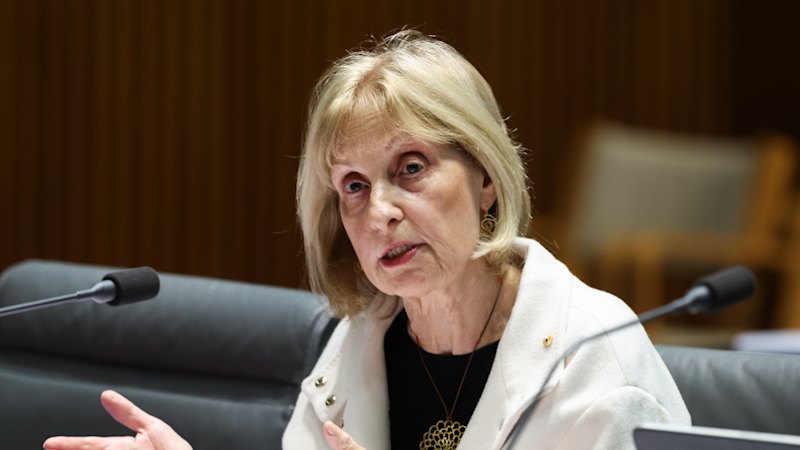
A number of organisations have released their submissions to the next National Cultural Policy. While they are each their own submission, collectively are calls for greater recognition of First Nations sovereignty in the arts, new pillars in the policy, tax reforms for the arts, the importance of young people’s creative participation, recognition of diversity in arts and culture and supporting workforce pipelines.
Submissions to the next National Cultural Policy consultation closed 10 days ago and many of those submitted close to deadline are yet to be made public on the consultation webpage but here is my round-up of some of the ideas that have be shared already:
- Live Performance Australia continues to call for a live production tax incentive and other strategic investment to strengthen the financial stability of the performing arts, encourage new business model development, replenish organisation's financial reserves and build stronger audiences, especially children and young people and regional Australians.
- If A New Approach (ANA) gets its way a sixth pillar will be introduced in the next National Cultural Policy focused on Creative Learning for Every Child. Along with arts, cultural and creative learning the think tank argues for tax initiatives for artists such as tailored tax advice and making prize monies tax-free and a renewed focus on skills and training to build a sustainable creative workforce. It also considers how to capitalise on the 2032 Brisbane Cultural Olympiad.
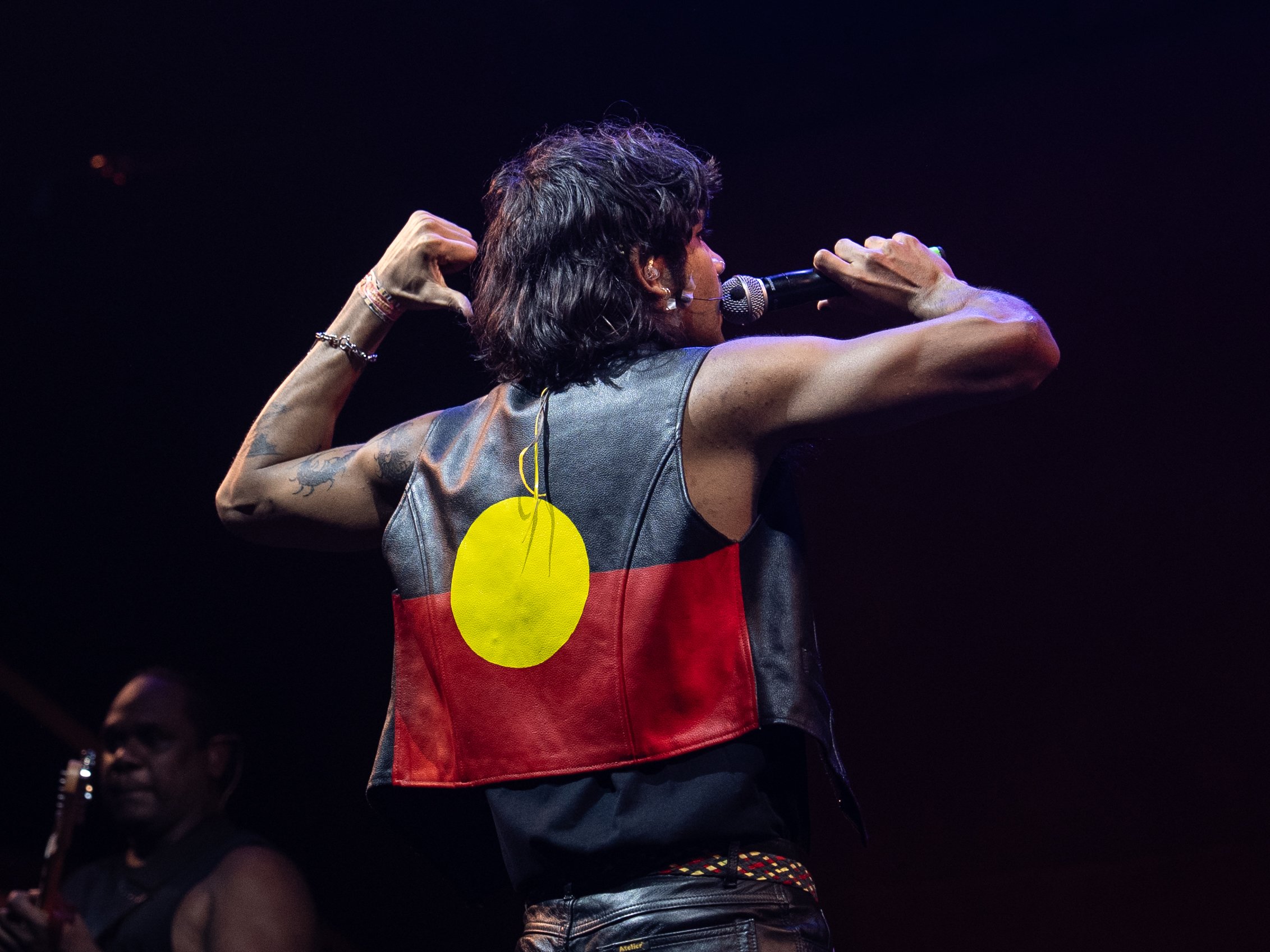
- BlakDance and a number of First Nations performing arts organisations and dance organisations led by First Nations people made a series of seven submissions that advocate for a shift from a symbolic recognition of First Nations performing arts toward structural implementation and long-term sustainability. These submissions also informed and were integrated into broader submissions by performing arts peak bodies demonstrating growing sector-wide recognition that First Nations cultural governance, respect for Indigenous Cultural and Intellectual Property (ICIP), workforce development, commissioning and touring, international exchange and cultural continuity are not isolated concerns, but foundational systems impacting the future sustainability of the Australian performing arts sector as a whole.
- Diversity Arts Australia (DARTS) and the Creative Cultural Diversity Network (CCDN) submissions share an aligned vision for Australian arts and culture that strengthens First Nations sovereignty, cultural authority and protection of ICIP, explicitly recognises, resources and supports Culturally and Racially Marginalised (CaRM) people and communities, introduces a national Anti-Racism and Cultural Equity Strategy, protects artistic freedom, recognises Community Arts and Cultural Development (CACD) as a distinct and essential sector, sees funded organisations report mandatory anti-racism, equity and cultural safety metrics, makes funding, tax and regulatory systems more equitable for CaRM creatives, CACD, community-led and small-to-medium organisations and that AI and emerging technologies are appropriately regulated.
- In the lead up to submissions closing the National Association for the Visual Arts (NAVA) led a series of discussions around the National Cultural Policy looking at First Nations visual arts, workforce conditions for artists and the conditions of practice, including freedom of expression, AI, the climate, arts education, the workforce pipeline and other topics. Hopefully NAVA will put out comprehensive notes like they did with their 2022 events.
- Election 2025: Putting Live arts and entertainment industry in the spotlight, Live Performance Australia, Tuesday 15 April 2025
 camillagregg
 Touring
- REVIVE: A Call For Racial Equity, Diversity Arts Australia, Monday 25 May 2026
 Leya Reid
The vulnerability of undersea internet cables is having a moment
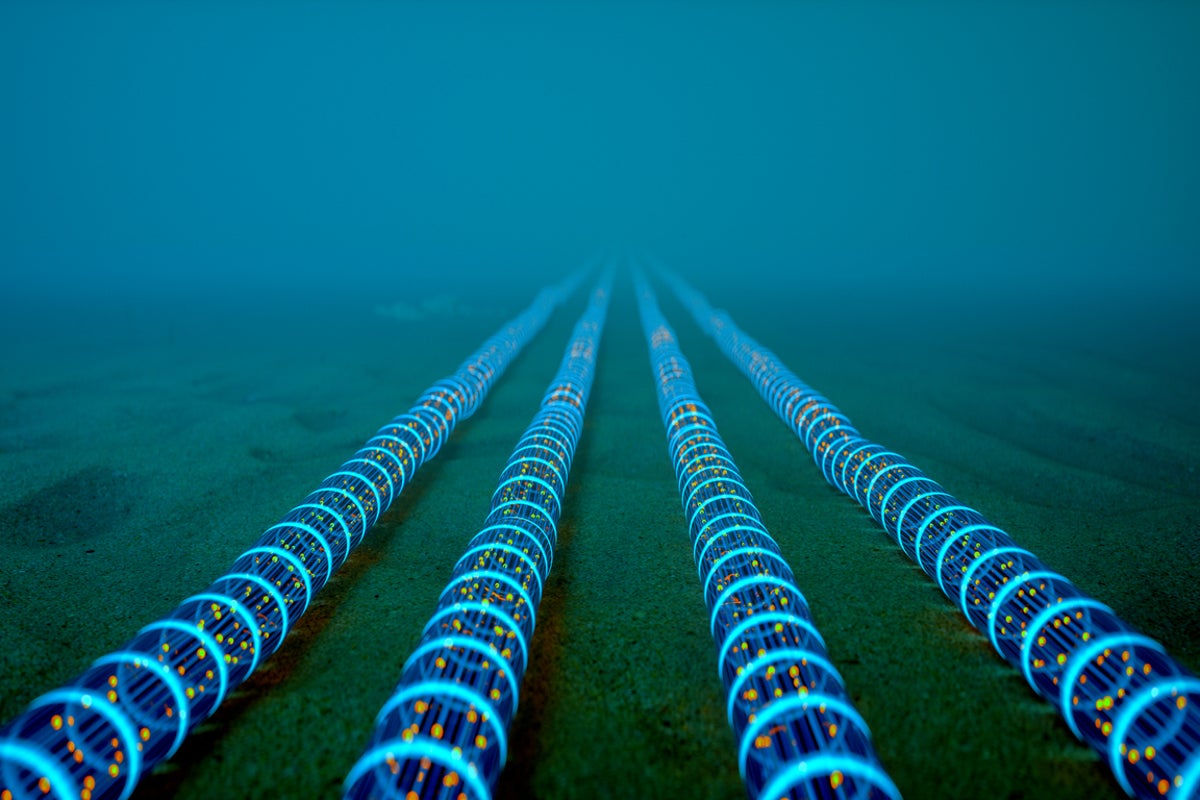
The cables under the ocean that relay internet traffic remain a potential target of intentional interference in an increasingly heightened geopolitical environment. Recent initiatives show a growing military response to the issue. But commentators caution that the civilian role in regulating and repairing submarine infrastructure should not be overlooked.
When people think about the internet, undersea internet cables are not often the first thing that comes to mind. But in recent years the vulnerability of this submarine infrastructure that is crucial to the flow of internet traffic have been laid bare. In April, the UK alleged that Russian submarines were observed carrying out surveillance of cables to the north of the UK. In June last year, Taiwan successfully secured a guilty verdict against a Chinese ship captain for intentionally damaging undersea cables between the Penghu archipelago and Taiwan. And in 2024, a commercial ship that dropped anchor in the Red Sea in response to Houthis military activity was left adrift for nearly two weeks during which it cut four crucial cables affecting 25 per cent of data traffic flowing between Asia and Europe.
Now, with the ongoing Iran war, Iran has flagged the potential of putting high tariffs on submarine cables in the Strait of Hormuz. While internet connectivity is important to governments, much of the investment in infrastructure is made by large telecommunications and technology companies or consortia of them. ⟨ Which reminds me, I wonder where Meta’s Project Waterworth plan to wrap the Earth in an undersea cable ever go to? ⟩ Iran is threatening to couple tariffs with requiring Big Tech to comply with the laws of the Islamic Republic of Iran and monopolising the repair and maintenance of the subsea cables. The notion is likely posturing rather than genuine policy given US sanctions restrict Americans from making payments to Iran.
If it came to pass its impact would be noticeable but mainly isolated to the Gulf. The greater threat is that it encourages other countries to consider charging substantial transit fees for cables in their territorial waters. Such a move could see a significant reshaping of internet infrastructure, fragmentation of internet access, increased connectivity costs, international law challenges and geopolitical tension.
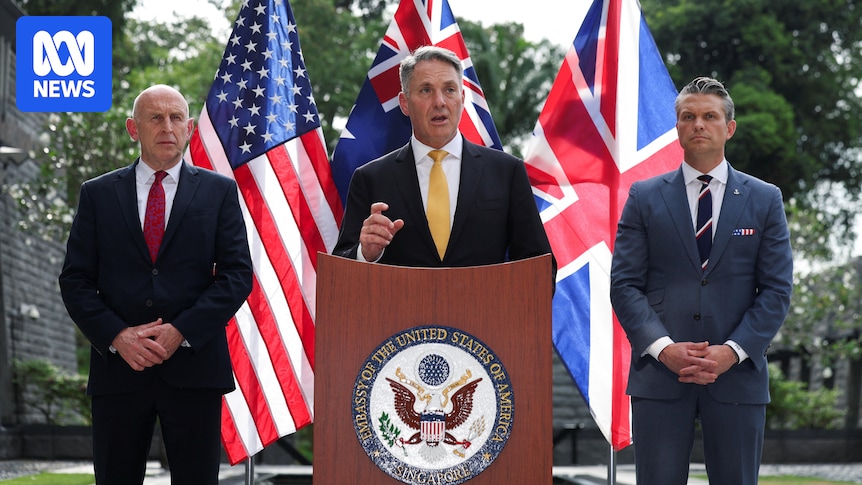
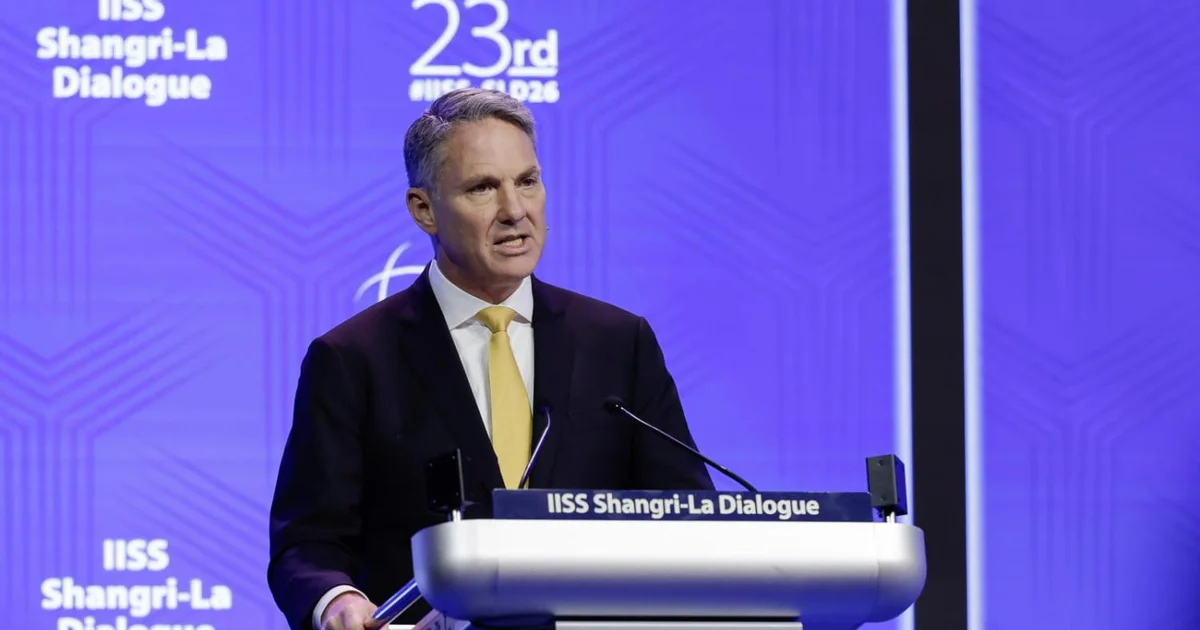
On geopolitics, submarine cable security was a hot topic this past weekend at the IISS Shangri-La Dialogue in Singapore where Australian Defence Minister Richard Marles cautioned that ‘The seabed has become a major field of contest’ with ‘attacks against subsea critical infrastructure [occuring] at a scale and frequency that is historically unprecedented’. ‘This is not speculation,’ Marles went on, ‘This is a documented pattern of behaviour.’
Intentional interference with submarine cables may not shut off the internet for many countries – internet speeds may be degraded, but the data would find another route – but disruption not disconnection is the aim of the game. Even in Australia we are connected through fifteen cables. Making the internet go dark here would require a significant coordinated effort. But in the Pacific some nations are served by just one cable.
At the Shangri-La Dialogue the Singapore-led Guiding Principles for Underwater Infrastructure Defence Exchanges (GUIDE) was launched – a 17-country commitment to work together on cross-border security challenges including the security of critical underwater infrastructure (CUI). The framework spans Southeast Asia, Europe, Oceania and the Gulf and aspires to facilitate information sharing and practical defence cooperation on CUI. It is a noteworthy effort, but also notable is the absence of the United States, Japan and China. ⟨ Maybe this what a middle power response looks like? ⟩
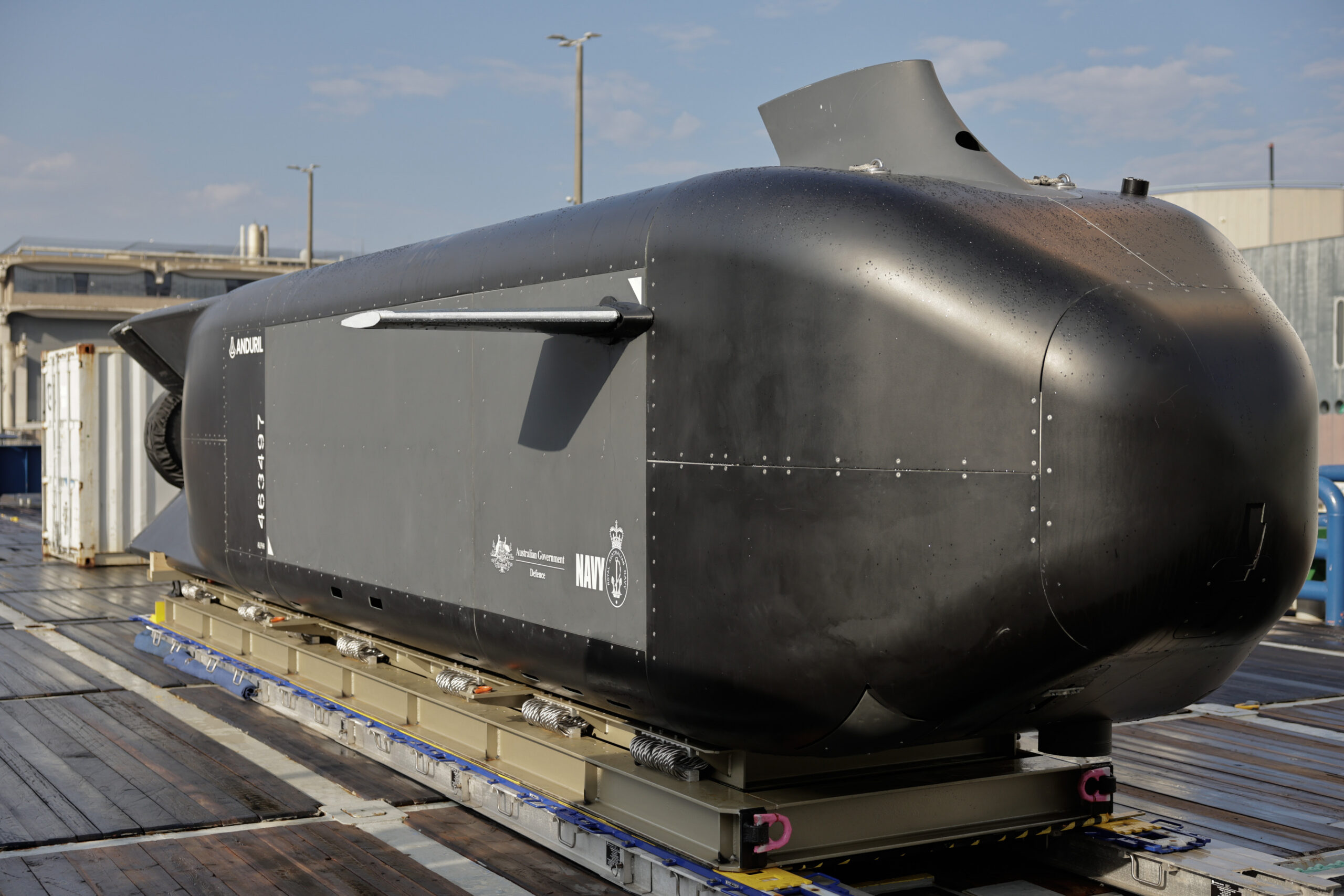
Also in Singapore, Marles, together with the US Secretary of War Pete Hegseth and UK Secretary of State for Defence John Healey, jointly announced the first signature project of Pillar II of the AUKUS trilateral defence arrangement: ‘developing cutting-edge payloads and enabling systems for AUKUS partners’ Uncrewed Undersea Vehicles (UUVs)’. These underwater drones are ‘intended to significantly enhance AUKUS partners’ ability to protect critical national seabed infrastructure; deploy cutting edge surveillance, reconnaissance, and strike capabilities; conduct logistics operations; and bolster superiority in anti-submarine and anti-surface warfare, mine countermeasures, electronic warfare, and contested littoral manoeuvre.’ As the Australian Strategic Policy Institute (ASPI) notes, it isn’t about new drones – each AUKUS partner is already working on their own – it is about developing shared technology so each fleet can work together to protect CUI.
While both initiatives demonstrate significant alignment around undersea cable security, as the Lowy Institute also points out, military responses may muddy the waters ⟨ pardon the pun! ⟩:
When a defence minister declares the seabed a battlefield and a pact of countries announces military drones as its flagship response, public expectations shift accordingly. The issue becomes a military story. And that risks crowding out the civilian work that will predominantly determine whether Australia’s cables are secure – domestic repair capacity, route diversity requirements, regulatory frameworks, cable landing station security, liability regimes for damage. These are the unglamorous solutions. They are also the central ones. Australia currently has virtually no domestic cable repair capability. That gap will not be closed by underwater military drones.
It seems we need defence of undersea cables as well as diversified internet routing options – including sea, over land and space – and greater civilian regulatory and infrastructural support.
 Alex Croft
 Stephen Dziedzic
 Malcolm Davis, Justin Bassi
 Samuel Bashfield
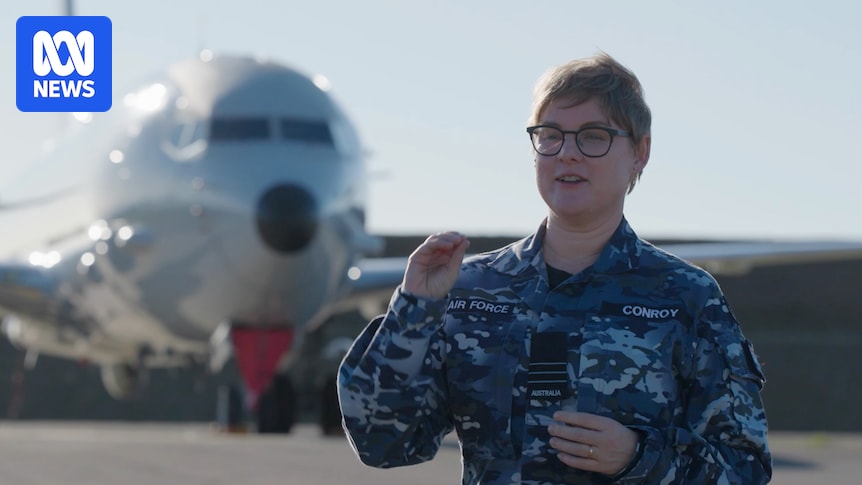
AI ethicist to head Australia’s AI Safety Institute
AI ethicist Kate Conroy has been appointed to head Australia's AI Safety Institute. The appointment is viewed positively, but questions remain on what specific safety concerns the resource-limited body can prioritise.
Late last week it was reported that the Australian Government has appointed philosopher and ‘global expert in responsible AI’ Kate Conroy as the General Manager of Australia's Artificial Intelligence Safety Institute. Announced in November last year and operational from early this year, the AI Safety Institute replaced the scrapped AI advisory body and was set up to ‘provide trusted, expert capability to monitor, test and share information on emerging AI technologies, risks and harms’ upstream (risks stemming from the capabilities of AI models and the way they are built and trained) and downstream (real-world impacts and harms people experience when AI systems are used).
Responses to the move have been largely positive. As former Australian Human Rights Commissioner Edward Santow said on LinkedIn, ‘AI optimists and sceptics should be equally pleased about this announcement because it simultaneously enhances our ability to address AI harms, and build trust in the community.’ And Conroy seems to be a good choice for the role. As the ABC’s national AI reporter Cameron Wilson says, ‘Dr Conroy's appointment puts an AI ethics specialist, rather than a conventional technical specialist or former regulator, at the head of Australia's first AI safety body.’
Conroy certainly has a track record in AI ethics and risk, including at the Trusted Autonomous Systems Defence Cooperative Research Centre, as co-author of the National framework for the assurance of artificial intelligence in government and the Queensland Government Foundational artificial intelligence risk assessment (FAIRA) framework and in her ongoing role leading responsible AI at the Royal Australian Air Force (RAAF). But given AI is a set of interrelated wicked problems, it is hard to pinpoint exactly what Conroy and the Institute will try to tackle, given its reportedly limited resources.
What safety concerns will it focus on? If potential future risks are the focus, will it push AI developers to let it see frontier AI capabilities before public release like the US Center for AI Standards and Innovation (CAISI) is doing? Given Conroy’s link to the military, will it emphasise existential risks such as ‘rogue AIs, bioweapons and other doomsday scenarios’? Or will it limit its scope to more immediate, day-to-day harms AI can inflict such as ‘discrimination, privacy breaches, scams, unsafe products and opaque decision-making in government and business’? And how successful will it be in moving the AI dial in positive directions in the myriad of Australian regulators?
 Cam Wilson
Malaysia joins social media minimum age countries while Meta discusses compliance with the Australian scheme
Malaysia introduced a social media age ban for under-16s, joining Australia, Brazil and Indonesia. Meta has also put out an Australian policy blog post about how the social media giant is continuing to respond to the Australian scheme.
From Monday 1 June 2026 Malaysia has a social media minimum age like Australia. The new online safety regulation requires major social media platforms with at least eight million users in the country to verify user ages and ensure children under the age of 16 do not have or create accounts. Malaysia is the second Southeast Asian country with a minimum age after Indonesia whose social media minimum age regulation came into effect on Saturday 28 March 2026. Brazil was the second country to bring in a social media age ban which came into force on Tuesday 17 March 2026.
The start of the Malaysia scheme coincides with a Meta Australia Policy Blog post updating now Meta is detecting and removing underage accounts here in Australia. The social media giant is increasingly using AI to scan profiles, posts, comments, bios and captions for context clues that a user is under 16 years of age. This is supplemented by visual analysis of photos and videos also looking for clues about a person’s age that text might miss. Meta has also improved reporting of underage accounts and processes to prevent re-registration by Australians under 16 years old.
The policy blog post also clarifies what happens to underage users’ accounts, that Facebook Messenger is not restricted and what happens to underage users’ accounts when they turn 16. It also provides advice to parents on how they can help ensure their children receive the right protections.

 Meta Policy ANZ
Keeping tabs
Updates about WTF else has happened with things I have recently covered:
Donald Trump adding his name to the Kennedy Centre
Following up: A US judge has ordered the removal of Donald Trump’s name from the Kennedy Centre which the administration renamed The Donald J Trump and The John F Kennedy Memorial Center for the Performing Arts in December last year. That move was challenged in court by Democratic US Representative Joyce Beatty who asserted that any name change needed to be done by Congress. US District Judge Christopher Cooper agreed, saying ‘The Kennedy Center's organic statute makes crystal clear that the Center is to be named for President Kennedy, and it cannot bear any other formal name or public memorial based on the Board's unilateral say-so.’ Judge Cooper also put a stop on the Trump administration's planned two-year closure of the Kennedy Center, although the order doesn’t prevent capital repair works from taking place should the Board decide to.
Staff layoffs and restructuring of the Community Tech team by the Wikimedia Foundation
Following up: The Wikimedia Foundation has responded to community concern and the community response to recent layoffs of the Community Development Team and restructuring by the Foundation to disperse community requests across multiple teams in a few ways. Wikimedia Foundation’s new CEO Bernadette Meehan and the Foundation’s General Counsel Stephen LaPorte both responded on-wiki to allegations of anti-unionism. LaPorte said the Foundation ‘respect[s] the right of our staff to unionize if they vote to do so’ while Meehan said ‘the Wikimedia Foundation respects the rights of all eligible employees to determine for themselves whether to pursue union representation.’ Meehan also welcomed ‘dissent, good faith disagreement, and new ideas, as long as discussions are respectful.’ Selena Deckelmann, Chief Product and Technology Officer at the Foundation, shared ideas on how to improve the Community Wishlist going forward and announced that three of the engineers impacted by the layoffs have received offers for roles in other teams, two of which have accepted a new role.
Colophon
Reuse
Conflict of interest
I am currently employed as the Marketing Manager of BlakDance. The views expressed in this blog post are my own and do not represent those of BlakDance.
I am the President of Wikimedia Australia (WMAU). The views expressed in this blog post are my own and do not represent those of WMAU.
I am a member of the National Association for the Visual Arts (NAVA).
AI use
No part of the text of this blog post was generated using AI. The original text was not modified or improved using AI.
AI was used to generate summaries of listings, but no AI-generated content was used verbatim.
The banner graphic (i.e. the first image at the top of the blog post) was adapted from vector graphics generated in Adobe Illustrator using Firefly 4 with 'Subject' content type selected and the lowest level of detail set. { Text to Vector Graphic prompt: Seamless pattern, very large simple shapes, 80s retro style, fluid organic elements, morphing, overlapping, blurred gradients, visible layers. }
Provenance
This blog post was first published on Wednesday 3 June 2026. It was last updated on Thursday 4 June 2026. This is version 1.1.
Changelog
v 1.1: Fixed sooooo many typos. That is why I should proofread everything before publishing. I also added my NAVA membership – updated Thursday 4 June 2026.