
A significant set of new research reports launched by Screen Australia digs into the audiences, industry and economy surrounding Australia's screen and games industry. While the optimism is high, it is not like there are no challenges.
OpenAI has boosted its parental and teen safety credentials with a new ChatGPT for Teens offer. Promising age-appropriate safeguards, study tools and more parental controls it is another example of the Big Tech industry shift spurred on by increasing online safety regulations around the world.
Also Spotify is getting more human. The streaming giant has released a new feature to let playlist makers annotate their song selections while also bringing in new labelling to identify AI music personas on the platform.
Again this week there were updates on the Paramount–Warner Bros. merger with Paramount and others calling for a settlement with the States.
You can get weekly WTF now?! round-up in your inbox. Sign up as a free member to get it by email.
Rapid-fire
A short list of other things:
- Sydney Writers Festival has a new Artistic Director: Tamara Zimet returns to Australia to take the reins amidst a challenging time for writers festivals. Shoot through
- Instagram has a new wordmark. Apparently it was time for a cleaner and more modern look ⟨ although is cursive writing modern? ⟩ The refresh comes three months after sister social media site Threads rebranded. Shoot through
- The National Communications Museum (NCM) has announced their next exhibition – Radical Computing – a love letter to the PC. Among the computers on display will be a newly acquired and restored Thinking Machine Company CM-2 'Connection Machine'! Shoot through
WTF’s been going on?
Here's WTF happened this week:
Screen Australia releases significant research on audiences for Australian screen content
New Screen Australia research across five comprehensive reports highlight the economic and cultural importance of Australia's screen and games industry, local and international resonance with unique and authentic Australian stories, and challenge for Australian content in the global media ecosystem.
⟨ Given it was launched today and it is huge I haven't read it yet but ⟩ Screen Currency 2026 is 5 reports and supporting case studies looking at the local and global audiences, the industry and the economy of Australia’s screen and games industry. The reports are accompanied by a summary report and 16 case studies looking at Love on the Spectrum, Deadloch, Bluey, Talk to Me, Untitled Goose Game and more.
Here's my take on the takeaways:
- There is high cultural and personal resonance for local screen content and games with Australian audiences. Audiences get the value of personal viewing and the broader social and cultural benefits of local screen content. Even so, two-thirds (65%) of Australians spend less than 30% of their viewing time on Australian content.
- Only 36% of Australians reported that local content was 'easy to locate'. This is likely tied to the ways content is surfaced in many platforms. Content's success in an algorithm-driven global media ecosystem requires making content discoverable, not just producing high-quality media. Similarly, First Nations audiences, Culturally and Linguistically Diverse (CALD) communities and younger viewers report better representation when 'their lives, voices and experiences appear on screen in complex and credible ways.'
- Younger audiences are more multimodal, engaging with content across streaming, social media, gaming and short-form platforms. They also want authentic representations of contemporary Australia that go beyond surface-level stereotypes.
- Local screen and gaming projects generate substantial economic benefit to the country, including through sales, exports and jobs. They also contribute to cultural representation and social cohesion.
- Beyond out shores, Australian content is also increasingly resonating with overseas viewers. Beyond direct exports, this also contributes to foreign trade, cultural diplomacy, tourism and broader awareness of uniquely Australian storytelling, skills and creativity.
- The long-term viability of our screen and games industry needs investment in local small-to-medium business and high-quality intellectual property (IP), talent, and audience development.
If you are looking for an entry way into the research Screen Australia is running an AMA (Ask Me Anything) session on Friday 28 August 2026.
 alyssa.limscreenaustralia.gov.au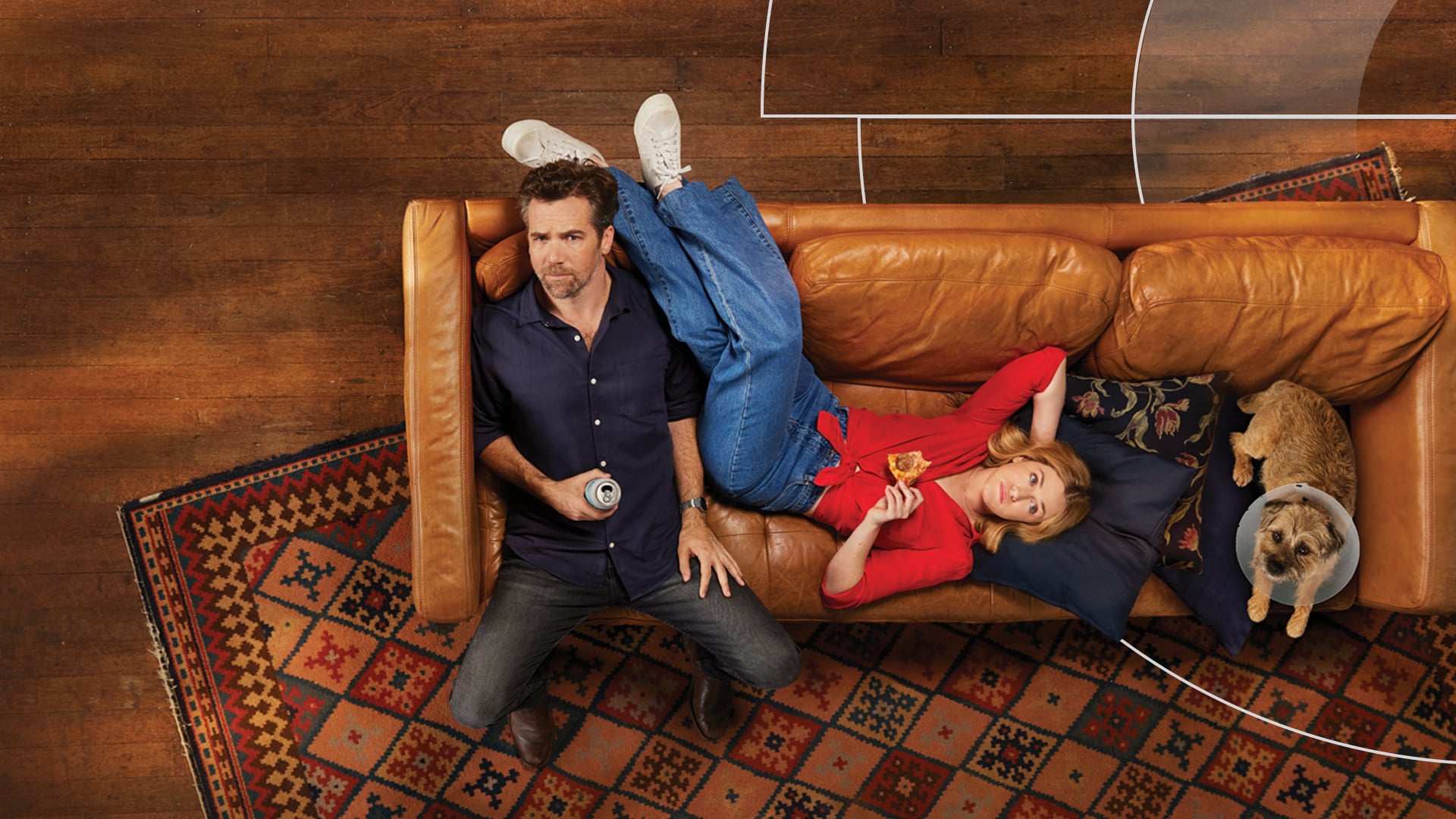

OpenAI launches a 'for Teens' offering for ChatGPT
OpenAI has extended their child safety features with a dedicated ChatGPT for Teens offer that provides an age-appropriate AI experience and education support.
OpenAI is the latest Big Tech player to go all in on a 'for Teens' offer. Yesterday they launched ChatGPT for Teens, a dedicated user experience with stronger built-in safety protections designed for users between 13 and 17 years of age. It will encourage healthy habits with break reminders and cues and controls meant to reduce risk such as cautioning teens when sharing private or sensitive images. It will rollout to users who state their age is or are predicted to be under 18. The new experience builds off work OpenAI has done to ensure teen safety on ChatGPT.
The experience apparently also has a strong educational focus and is premised on the idea that 'AI should support learning, not shortcut it'. It will encourage active learning through step-by-step guidance to help students get to an answer themselves, rather than just giving it to them. It extends last year's Study Mode with homework reminders, quizzes and visual learning aids and the ability to set 'study hours' during which Study Mode is on by default.
- Introducing ChatGPT for Teens: Built for learning, backed by protections, OpenAI, Tuesday 18 August 2026
- ChatGPT for Teens, OpenAI Help Centre, OpenAI
 Zoe Kleinman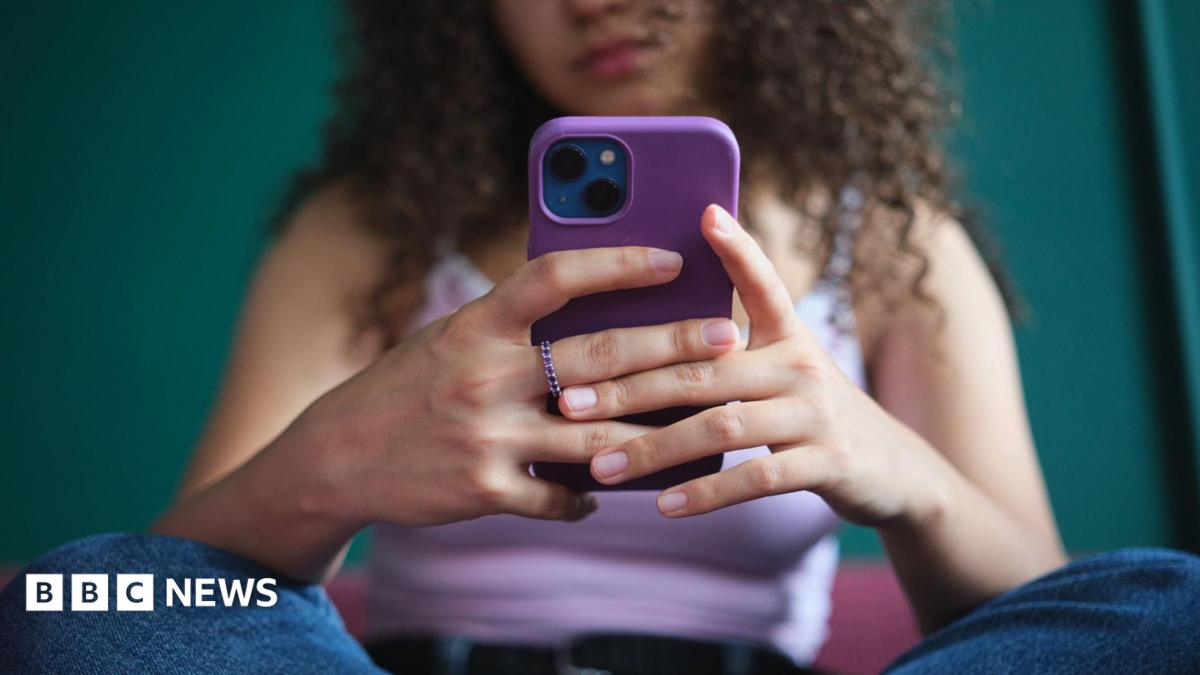
Spotify gets personal with notes on playlist songs and adds more transparency around AI music
Spotify launched Playlist Notes allowing creators to add messages and context to track in their playlists. While that feature adds the personal touch, a new ‘ AI persona’ badge is designed to create more transparency around AI-generated artists on the music streaming platform.
On Monday Spotify announced a new feature to make playlists even more personal. Playlist Notes lets playlist makers add messages and context to tracks included in their playlists. Notes can be created by Spotify editors and listeners for songs, podcast episodes and audiobooks included in playlists.
Before you go all High Fidelity with the song annotations, beware: anyone who can view your playlist can also see your notes and name.
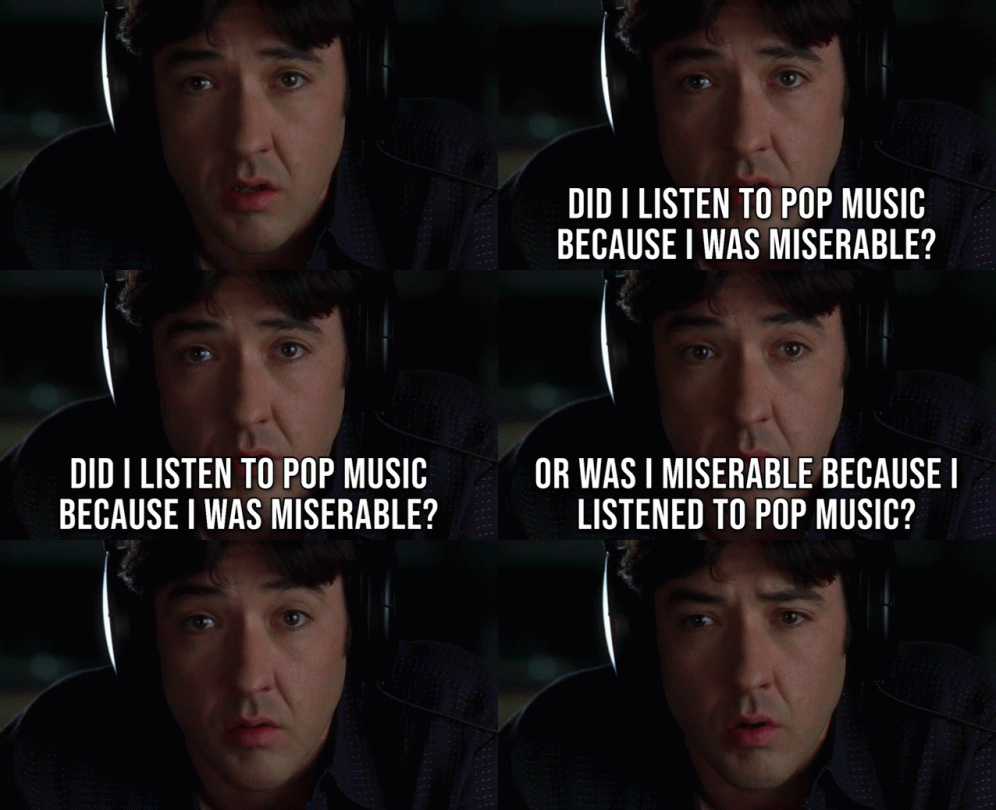
And notes will show in Now Playing even when users are listening to a song outside the playlist where the note originated. If you don't already see the ability to add a note to a song on iOS or Android then you soon will.
It follows the announcement on Tuesday last week that Spotify is adding to its AI features with an ‘AI persona’ badge that will start rolling out in mid-September. It is designed to indicate ‘an artist’s identity may be AI-generated and does not represent a real person’.
These new badges will feature on artist profiles that self-disclose and profiles suspected of being AI. They will also display in search and on track listings in playlists. AI persona badged music will also not be included in editorial or algorithmic recommendations by default.
When users click on an AI Persona badges they will be able to see whether the artist disclosed or 'if Spotify had to review and make an informed determination'. Where profiles are identified by Spotify artists will have an opportunity to self-disclose or to appeal the determination. Over time Spotify users will be able to report profiles they suspect are AI.
 Aurelie.Corinthiosgroupsjr.com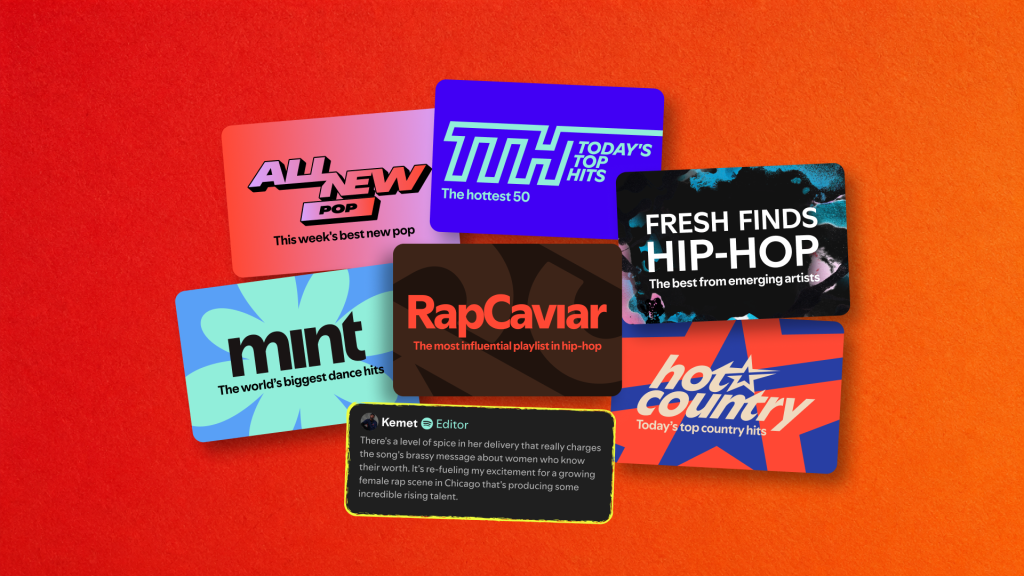
 Lauren.Petersongroupsjr.com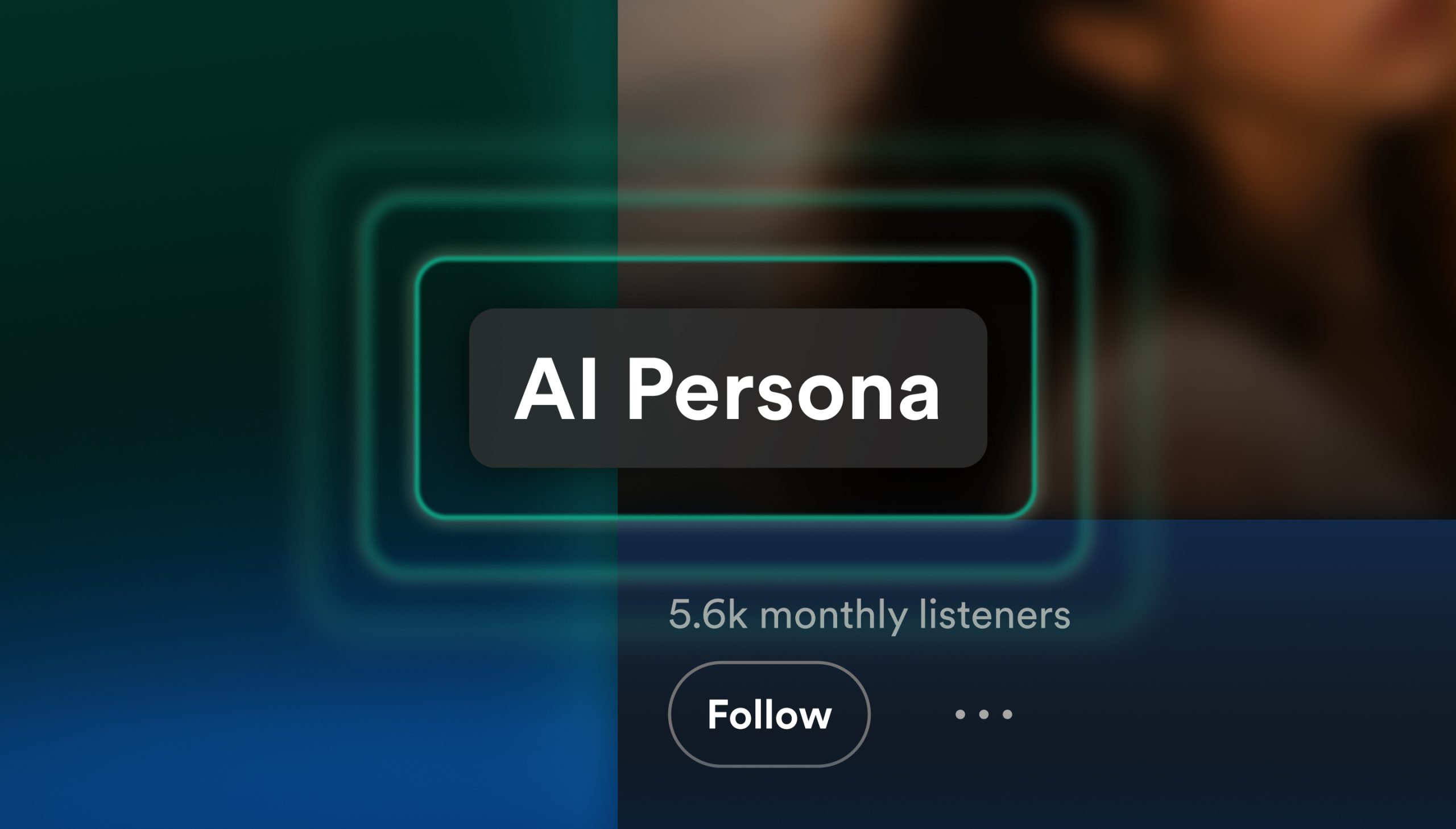
 Dan Milmo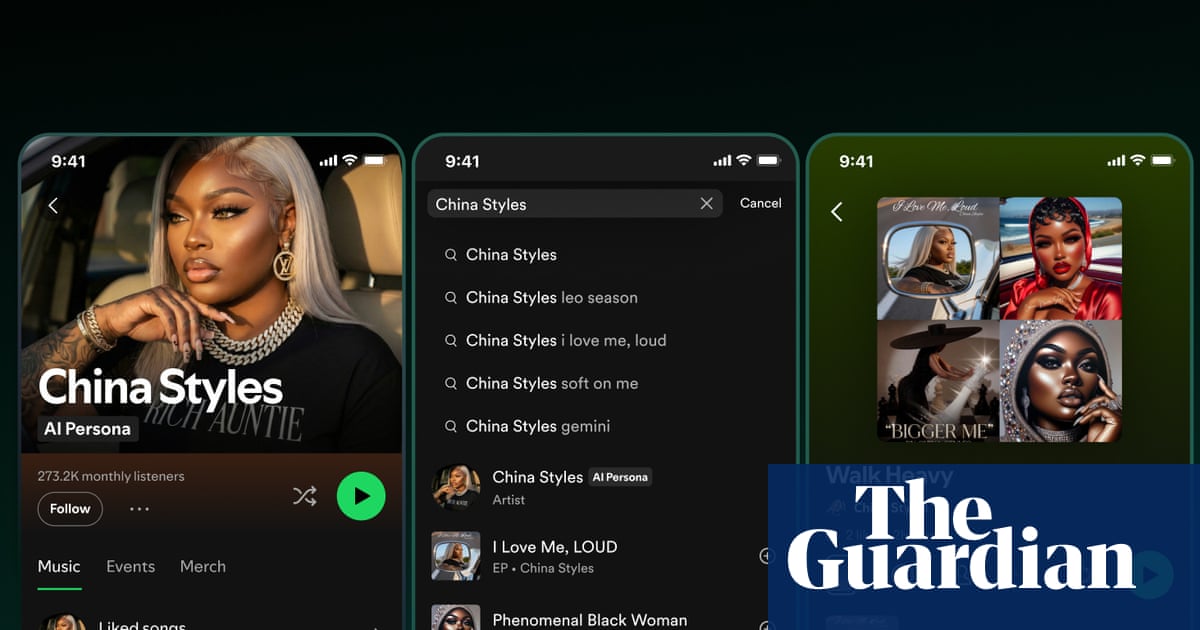
Keeping tabs
Updates about WTF else has happened with things I have recently covered:
Paramount–Warner Bros. proposed merger
Following up: Paramount CEO David Ellison says he will relocate Paramount out of California starting Thursday 1 October 2026 if Californian Attorney-General Rob Bonta has not started settlement negotiations by then. So far the States, led by California, are focused on winning at trial and have not disclosed publicly what concessions Paramount could make that would convince them to end their antitrust court action but Bonta has said concessions would need to be structural such as divestments of businesses not just behavioural such as production quotas.
 Todd Spangler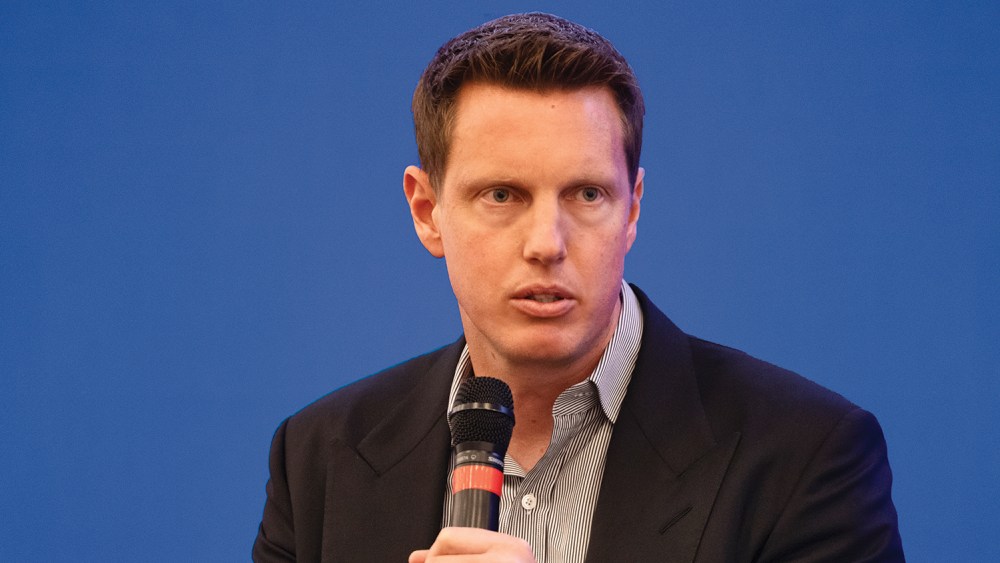
The States may not be interested in a settlement but the movie theatre owners trade organisation Cinema United is. They have changed their stance on the merger, calling for immediate settlement talks. The trade group fears prolonged legal uncertainty could disrupt recent box office momentum. They also proposed guardrails to 'give movie theaters reassurance about the deal':
- maintain or expand productions meant for theatrical release
- commit to not increasing fees for screening films
- safeguards fair access to new films for theaters of all sizes
- continue to provide reasonable access to film back catalogues.
The cinema operators calls echo that of the Directors Guild of America and IATSE (International Alliance of Theatrical Stage Employees) made last week for a settlement in the face of a production slowdown as projects are put on hold or cancelled in preparation for the trial.
 Katie Kilkenny
 Katie Kilkenny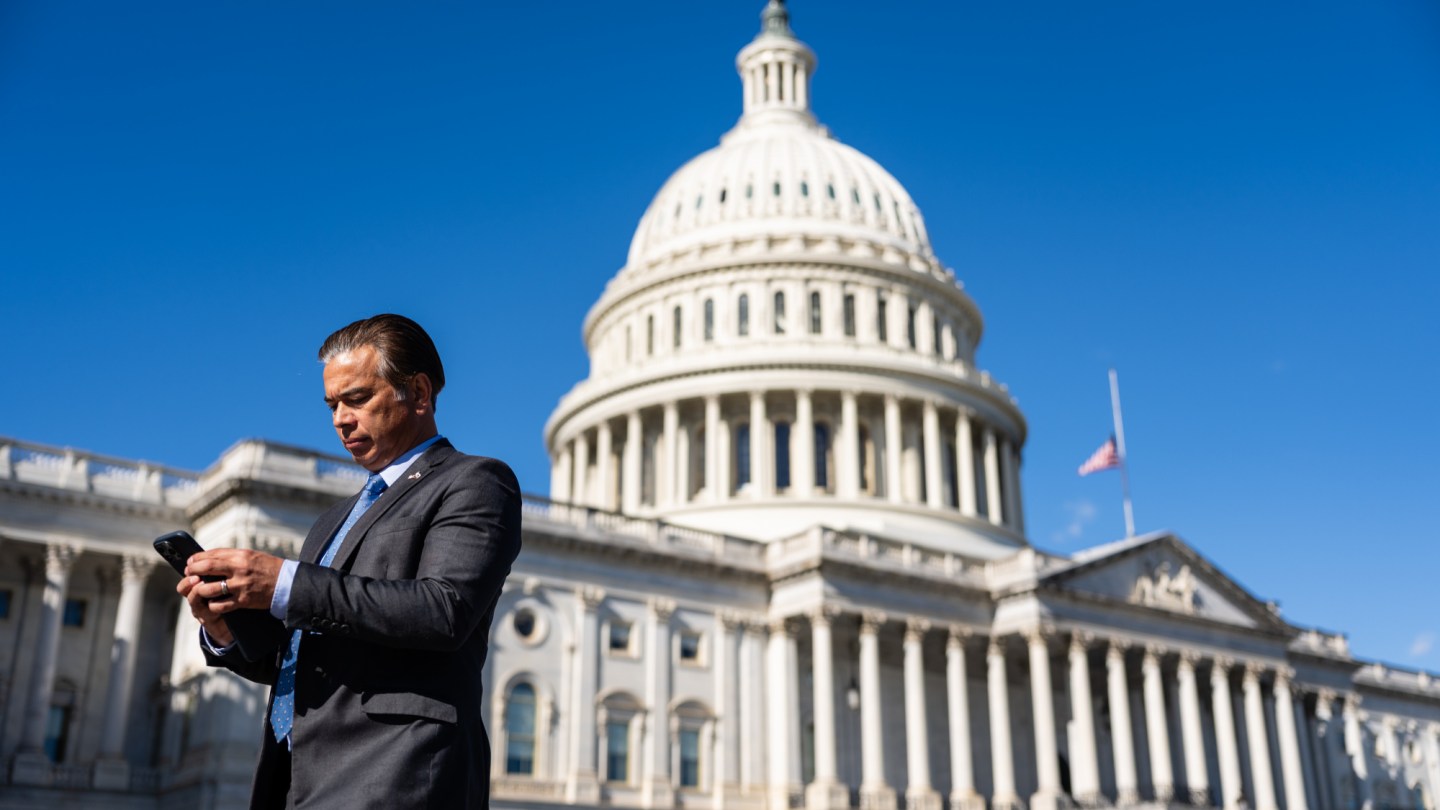
While Paramount agreed to put the merger on hold until the States' trial concludes, now they are seeking court approval for a $1.88 billion bond to cover losses related to a delayed merger as a result of the court action. Paramount would get the bond if the antitrust litigation is unsuccessful.
 Todd Spangler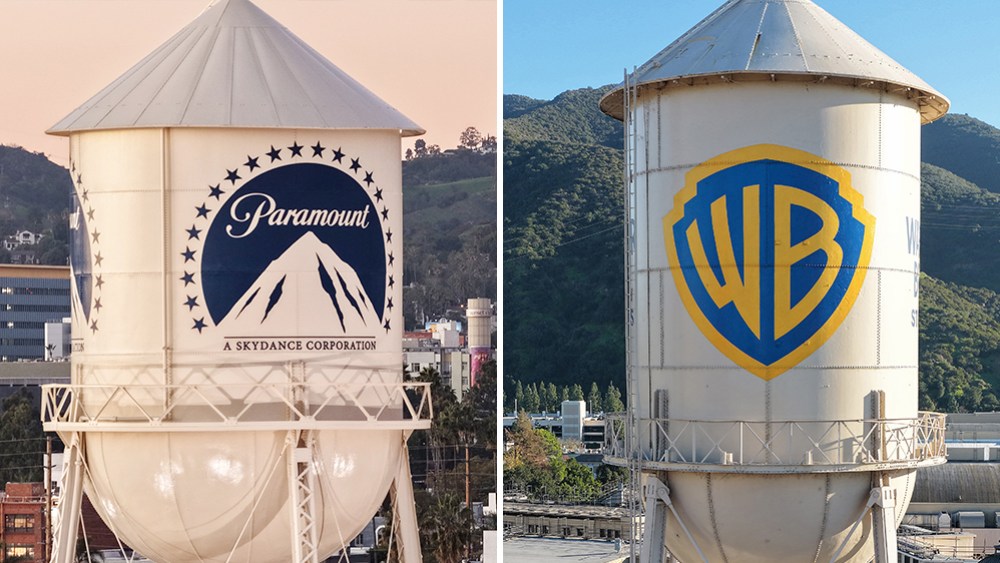
If you are enjoying this WTF now?! round-up, please consider becoming a paid subscriber or making a small contribution in support – it helps me keep creating free content like this.
Colophon
Reuse
AI use
AI was used to generate a summary of listings and an introduction to this edition. Those summaries and that introduction were used to generate ideas. No AI-generated content was used verbatim.
The banner graphic (i.e. the first image at the top of the blog post) was adapted from vector graphics generated in Adobe Illustrator using Firefly 4 with 'Subject' content type selected and the lowest level of detail set. { Text to Vector Graphic prompt: Seamless pattern, very large simple shapes, 80s retro style, fluid organic elements, morphing, overlapping, blurred gradients, visible layers. }
Provenance
This blog post was first published on Wednesday 19 August 2026. It has not been updated. This is version 1.0.