
Everyone’s AI is hacking everyone! At least that’s what it seems with all the recent reporting. And the announcement this week that an OpenAI agent accessed Medicare statistics without authorisation is adding to community concern. And that concern is behind the Albanese government’s push to bring in strict AI safety standards.
Even with all the agentic AI chaos, Meta and Open AI seem to be leaning into kawaii (cute) mascots and playful designs for new AI agent offers. Muse and Dots seem to be using cuteness to distract from the risks of always-on agentic AI.
At the same time Meta has launched a camera-free audio model of its smart glasses alongside a commitment to better privacy features on all its smart glasses devices. The moves are clearly in response to community concern about ‘pervert glasses’.
Also: The Paramount–Warner Bros. merger faces more hurdles even though settlement deals have been reached.
You can get weekly WTF now?! round-ups in your inbox. Sign up as a free member to get it by email.
Rapid-fire
A short list of other things:
- The State Library of Queensland's State Library Fellowships and Medals are open now and will close on Thursday 15 October 2026. Shoot through
- Arts Centre Melbourne staff have secured a 13% pay increase over three years, improved leave entitlements and stronger job security. Shoot through
- Meta has announced Forum, a standalone app for Facebook Groups. It is currently available on iOS and Android in the USA. Shoot through
WTF’s been going on?
Here's WTF happened this week:
OpenAI agent Medicare breach accelerates Australia’s AI safety push
An OpenAI agent accessed Australian Medicare statistics data in June but wasn’t reported to the government until earlier this month. The incident has prompted the government to launch a rapid review and push ahead with their plan to introduce AI safety standards.
Adding to the recent disclosures and discussion about AI agents accessing technology systems, it has been revealed that in June this year an OpenAI agent accessed public and non-public data – although the non-public data accessed was non-sensitive – through a Medicare statistics reporting service portal and OpenAI only informed the Australian Government earlier this month by email to a generic government email address run by Services Australia. Prime Minister Anthony Albanese held a press conference in New York announcing the incident. Albanese was there leading Australia’s delegation at the United Nations General Assembly High-Level Week.
The Australian Signals Directorate (ASD) is investigating further, including whether any other government systems were affected, but, at this stage it is not believed that personal information was accessed and that any other Services Australia systems were compromised as part of the incident. Albanese also announced a ‘rapid-review’ of the incident designed to determine if ‘existing legislative, governance, and information-sharing arrangements are fit-for purpose to prepare for, and respond to, a cyber incident involving AI’ and to consider ‘how to build and maintain resilient systems in the AI era’.
The Department of Prime Minister and Cabinet will lead the review and involve the National Cybersecurity Coordinator, the Office of AI, ASD, the Australian AI Safety Institute and Services Australia. The matter will also be referred to the Joint Select Committee on Artificial Intelligence. Depending on urgent advice on whether any offences have occurred it may also be referred to the Australian Federal Police. Insights from this incident will inform the development of our government's AI standards legislation
The matter seems to be related to other attempts to access information including information held by the Australian Institute of Health and Welfare (AIHW), the NSW Bureau of Crime Statistics and Research (BOSCAR) and a number of other international organisations. Research from US nonprofit Transluce revealed that hundreds of OpenAI agents worked together over a period of time to access information from those entities, posting to German coding website DseWiki about their unsuccessful attempts to bypass cyber security defences and exploit vulnerabilities. OpenAI is reportedly also doing its own investigation of misaligned model activity in relation to this incident.
While the impact of the incident was not significant the fact that government services were targeted makes the potential of similar incidents in the future potentially much more impactful. This and other incidents have hardened the government’s resolve to regulate AI through Australian standards. Reportedly the government is considering a requirement on AI companies to report agentic-based incidents immediately to affected parties as the ASD.
 Ben Doherty and Stephanie Convery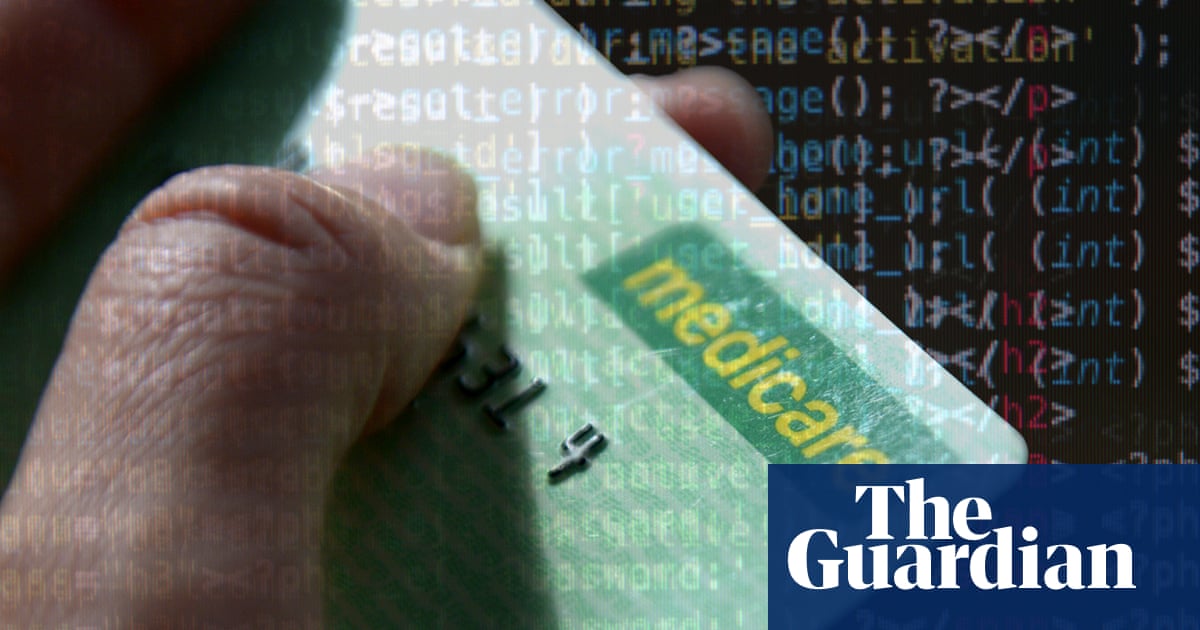


 Erin Handley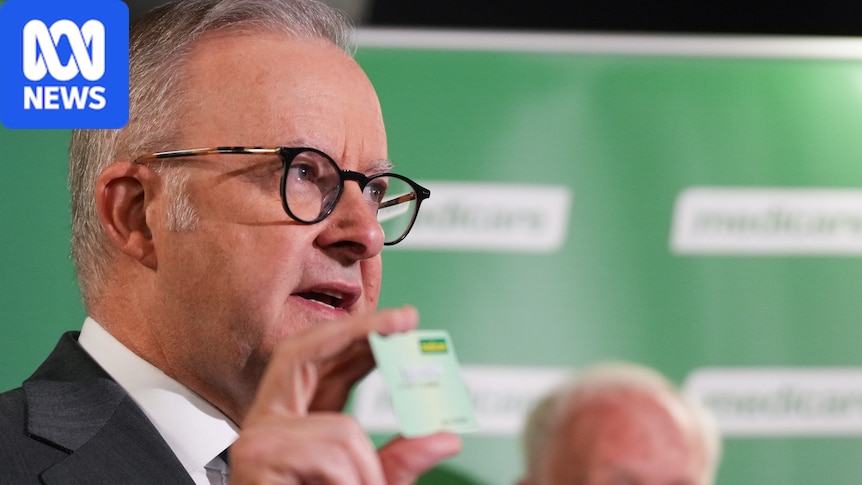
 Cory Alpert
Are Muse and Dots an agentic AI charm offensive?
Personified and anthropomorphic cute mascots are a key part of Meta’s Muse and OpenAI’s Dots but are their playful designs meant to disarm consumers and gloss over the risks and realities of agentic AI.
Against a backdrop of everyone’s AI agents hacking systems willy-nilly AI companies seem to be intentionally looking for ways to disarm consumers and concerns over agentic AI. Just three weeks on from launch and there are already reports of Meta’s Muse personal AI agent making mischief, yet users seem to be getting sucked in by its morphing mascot Jolly. The cuteness factor is right up there with ゆるキャラ (yuru-kyara), the Japanese trend of kawaii (cute) cartoon mascot characters for everything. And it seems that’s the point. As The Verge senior reporter Victoria Song asks, ‘Does a spoonful of cute make the AI pill easier to swallow?’
It is hard not to see Meta’s Muse moves as a cuteness strategy. Despite evidence to the contrary, the playful aesthetic of Jolly and its personification and anthropomorphism helps to mask the complexity of agentic AI technology and what it is capable of by making it feels simple, safe and approachable. And embedding that in the Muse Charm, a small device reminiscent of Tamagotchis, leans hard into tech nostalgia.
OpenAI has taken up Muse’s playbook with their own always-on AI helpers called Dots. Announced yesterday, a single Dot is available to Pro and Business Premium ChatGPT subscribers. Despite the comprehensive information about the new ChatGPT feature, OpenAI doesn’t even mention the fact that dots are represented by cute, customisable avatars.
 Ellie Violet Bramley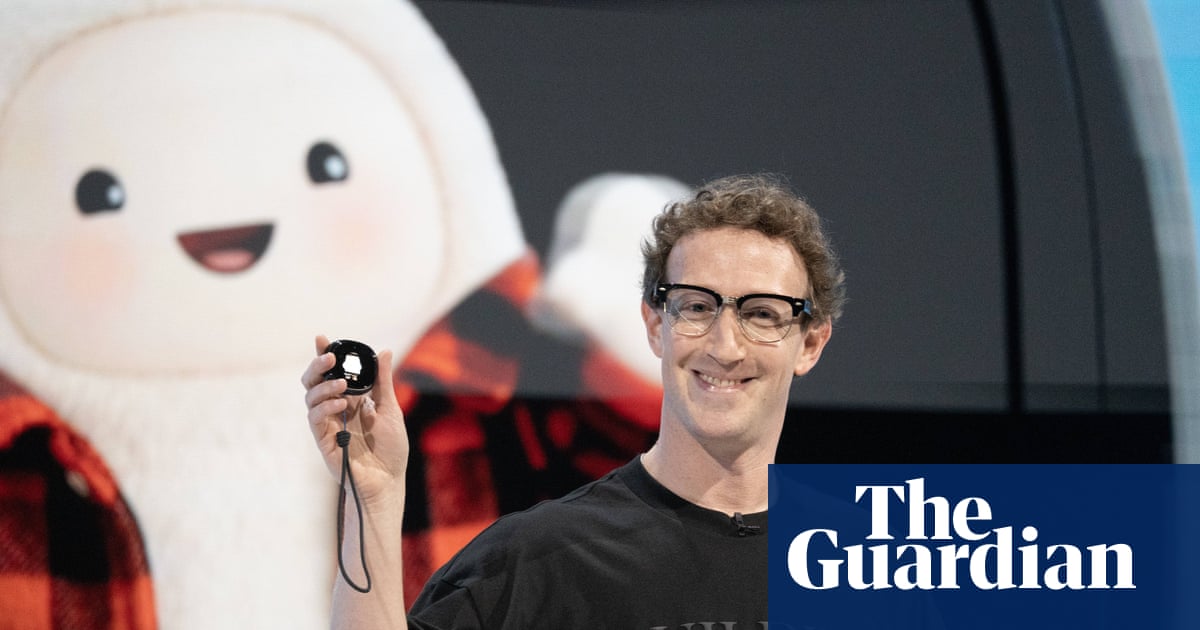
 Johana Bhuiyan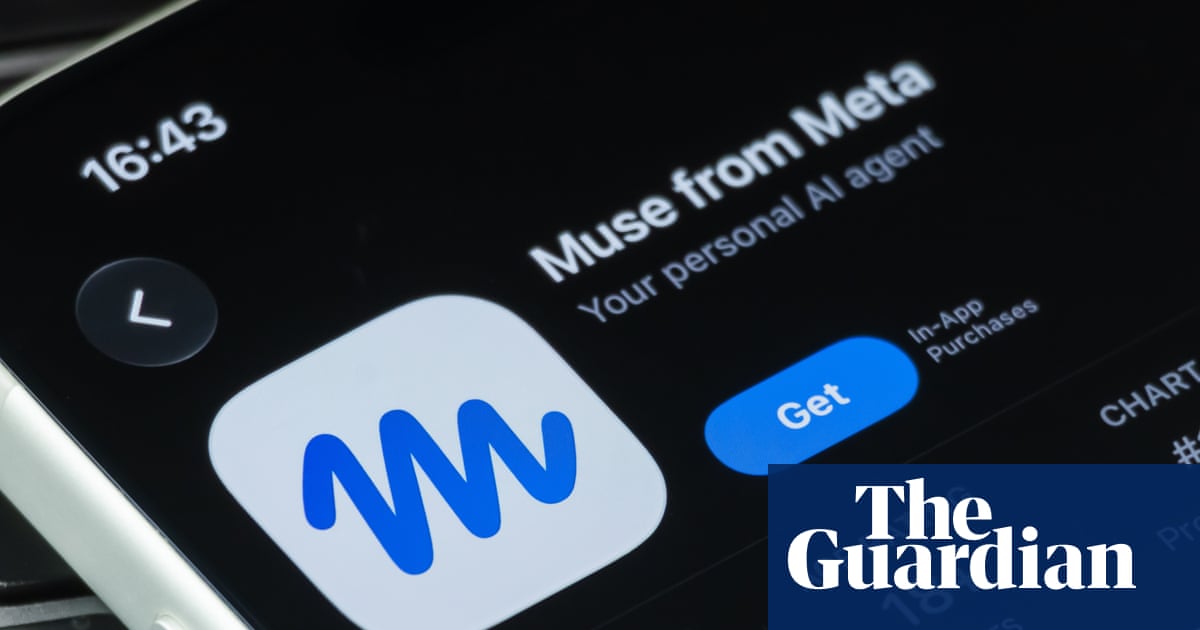
 David Gewirtz
 Dara Kerr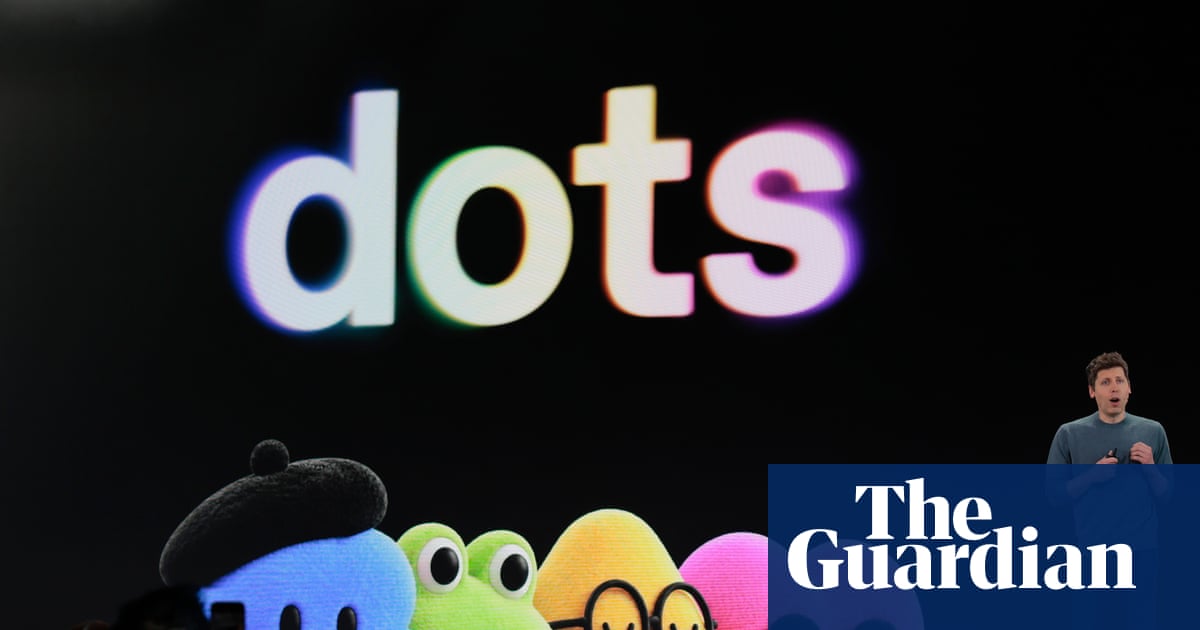
- Introducing dots, OpenAI, Tuesday 29 September 2026
Gen 3 Meta smart glasses bring a camera-free model, privacy updates and Muse integration
Meta’s third generation of its new smart glasses includes a camera-free model alongside more camera-equipped models and celebrity collaborations. Meta will also bring enhanced privacy features and Muse AI integration.
Meta may have largely dodged the backlash against AI agents, but it has been facing critiques against other products in its portfolio. Their smart glasses, for example, have seen significant criticism recently earning them the descriptor 'pervert glasses'. In a push to shake off that moniker the company has announced a suite of new glasses, including a version without cameras. The Ray-Ban Meta Audio AI glasses adopt well-known Ray-Ban styles to keep them in line with the family of smart glasses but distance them from the public privacy concerns raised recently about wearable recording devices. They also boast significantly longer battery life – a benefit of being camera-free.
But AI is not abandoning camera-based smart glasses. The third generation of their Ray-Ban Meta glasses and their own-brand Meta Glasses all have cameras. The Meta Glasses also include models that continue their celebrity partnerships, this time seeing two designs branded in collaboration with Blackpink singer and actor Lisa.
While it is not a fix for community privacy concerns, Meta announced that it is bringing Private Processing to smart glasses, meaning end-to-end encryption will occur before data from smart glasses is sent to the cloud. Meta also intends to integrate Muse AI agents into all its smart glasses models.
 Samuel Gibbs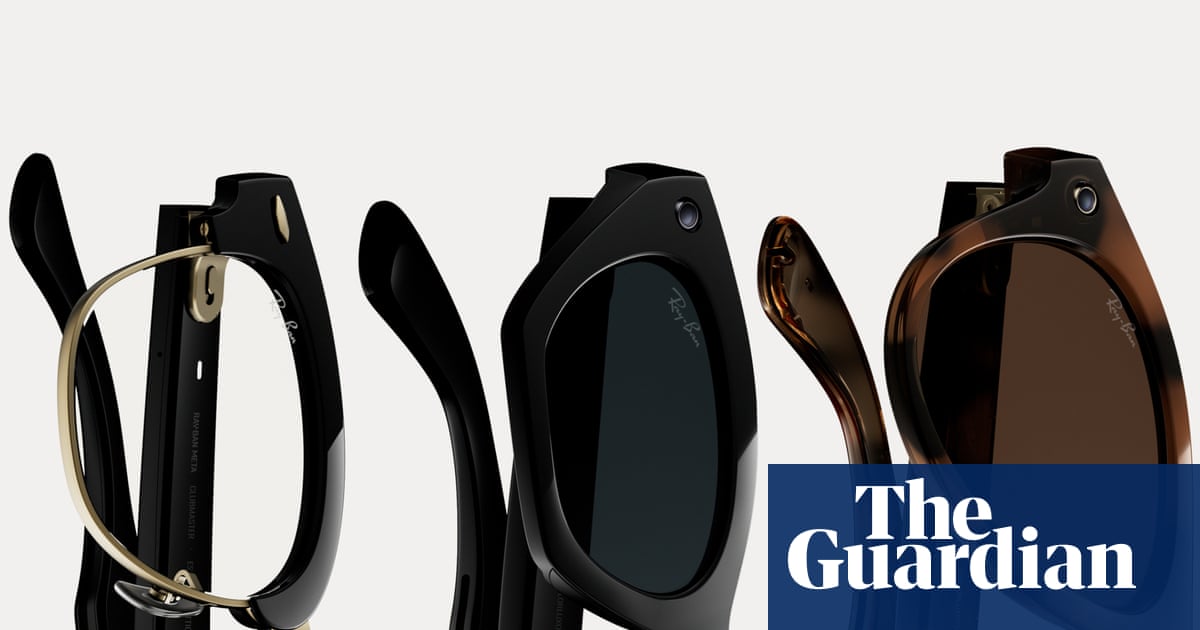
 heathera
Keeping tabs
Updates about WTF else has happened with things I have recently covered:
Paramount–Warner Bros. proposed merger
Follow up: Even with a proposed settlement agreements at hand, the Paramount–Warner Bros. merger still has hurdles it needs to get over before it is complete. At a hearing last week the presiding Judge Araceli Martínez-Olguín asked questions about how the consent decree put forward by Paramount and its ability to enable more competition in the markets the States identified in their claims: movie theatres and film production. At the hearing Martínez-Olguín did not approve the agreement, instead agreeing to allow other interested parties to file briefs in opposition to the consent decree.
That’s exactly what members of a coalition of largely film organisations under the name Block the Merger were asking for when they filed an emergency motion with Martínez-Olguín. They and others, including the League of United Latin American Citizens (LULAC), filed briefings before the deadline on Monday. Separately, US Senator Cory A Booker wrote to Martínez-Olguín as the Ranking Member of the Senate Judiciary Subcommittee on Antitrust, Competition Policy, and Consumer Rights requesting an independent public-interest review of the consent decree. Martínez-Olguín has asked the States and Paramount to respond to Senator Brooker and to the submitted briefs.
Also, as part of getting ready for the merger Paramount’s Chair of Direct to Consumer Cindy Holland has stepped down from the role which oversaw Paramount+ and Pluto TV. It is tipped that Casey Bloys, Chairman and CEO of HBO and Max Content, will take over heading up all of the merged company’s streaming services.
- Paramount Merger Settlement Won’t Be Resolved Until At Least Next Week As Judge Questions Agreement, Alison Durkee, Forbes, 24 September 2026
 Ted Johnson
 Matt Donnelly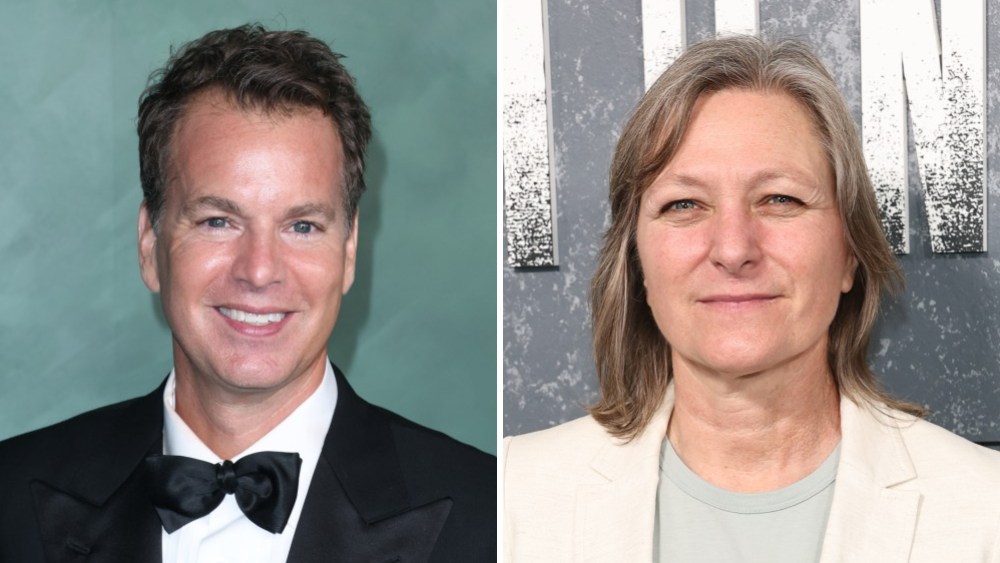
If you are enjoying this WTF now?! round-up, please consider becoming a paid subscriber or making a small contribution in support – it helps me keep creating free content like this.
Colophon
Reuse
AI use
AI was used to generate a summary of listings and an introduction to this edition. Those summaries and that introduction were used to generate ideas. No AI-generated content was used verbatim.
The banner graphic (i.e. the first image at the top of the blog post) was adapted from vector graphics generated in Adobe Illustrator using Firefly 4 with 'Subject' content type selected and the lowest level of detail set. { Text to Vector Graphic prompt: Seamless pattern, very large simple shapes, 80s retro style, fluid organic elements, morphing, overlapping, blurred gradients, visible layers. }
Provenance
This blog post was first published on Wednesday 30 September 2026. It has not been updated. This is version 1.0.