

There was a lot of music news this week with Sony Music and Universal Music suing Suno over its latest v6 AI models while Universal and Warner Music seek to dismiss a lawsuit by the American Federation of Musicians regarding payments to musicians when record labels licensing their catalogues for AI training. Also music and technology related, Apple Music is opening a venue in London focused on live-streamed performances while a UK startup Unit1 raised £15 million to develop digital avatar music concerts.
After last week’s AI slowdown subscribers of major AI services have launched a possible class-action lawsuit alleging AI leaders illegally colluded impacting market competition and subscriber value. And the path to the Paramount–Warner Bros. merger has been cleared with settlement agreements being reached with the 12 US states and the Writers Guild of America.
And: Weirdly, an AI fight at Oz Comic-Con ended with a bite!
You can get weekly WTF now?! round-ups in your inbox. Sign up as a free member to get it by email.
WTF’s been going on?
Here's WTF happened this week:
More court contests over music licensing deals for AI
Sony and Universal are suing Suno over their new music AI models while Universal and Warner push to get a musician’s union lawsuit over AI licensing payments dismissed.
As AI music makers keep pushing to go legit the nature of their agreements with record labels are coming under increased scrutiny. While Suno was talking up their new v6 models and the licensed content they were trained on, Sony Music and Universal Music weren’t fans of the fanfare. The two, along with a number of their subsidiary labels, are suing Suno over v6 claiming training on outputs of its previous models 'does not eliminate infringement; it launders it' and that it 'is not a fresh start; it is the fruit of the same poisoned tree.'
That was last week. This week Universal Music and Warner Music are pushing for a US court to dismiss a case against them by the American Federation of Musicians of the United States and Canada (AFM). AFM alleges that licensing music recordings for AI training is a 'new use' under its Sound Recording Labor Agreement (SRLA). If they are correct then labels must compensate musicians and inform AFM under the SRLA.
Things get tricky though, because the way the SRLA works is that it points to a separate agreement to determine things like what pay rate is owed for certain uses and currently no agreement for use of music in AI training exists. On that basis the labels are arguing that the absence of terms in an AFM agreement on AI training means ‘no payment obligation exists'. If the labels win it will continue catalogue monetisation through AI agreements which brings more money into the majors without clarifying what if any of it will be paid to musicians.
 Laura Molloy
Music tech is behind Apple Music’s new London venue and an avatar music startup
Apple Music is opening a 600-capacity venue at London's Battersea Power Station but the focus seems to be on live streams not live music. Also, UK startup Unit1 raised £15 million to stage music concerts using digital avatars of musicians.
It looks like Apple Music will open a 600-capacity music venue on Monday at its European headquarters at Battersea Power Station in London.
Video: Apple Music’s YouTube video announcing the venue.
Apple Music Hall will host intentionally intimate performaces. But Apple says it's not getting into the live music business. Rather it seems to be an vehicle for more live content. Kitted out with 'more cameras and speakers than any venue of its size, anywhere in the world' performances at Apple Music Hall will be filmed and streamed live. It will also host recording sessions at the two dedicated recording and mixing studios on-site.
Also music and technology focused and also in the UK, live music technology company Unit1 has secured nearly £15 million in investment to recreate music concerts using digital avatars. These avatars will be of living artists who are no longer touring or artists who have passed away. The money will go into developing more affordable technology to stage digital concert experiences and securing personality rights and copyright licences with artists or their estates. Barney Wragg, who was CEO of Andrew Lloyd Webber's LW Entertainment through much of the 2010s founded Unit1 to explore more cost effective solutions for digital music experiences than ABBA Voyage.
 Mark Savage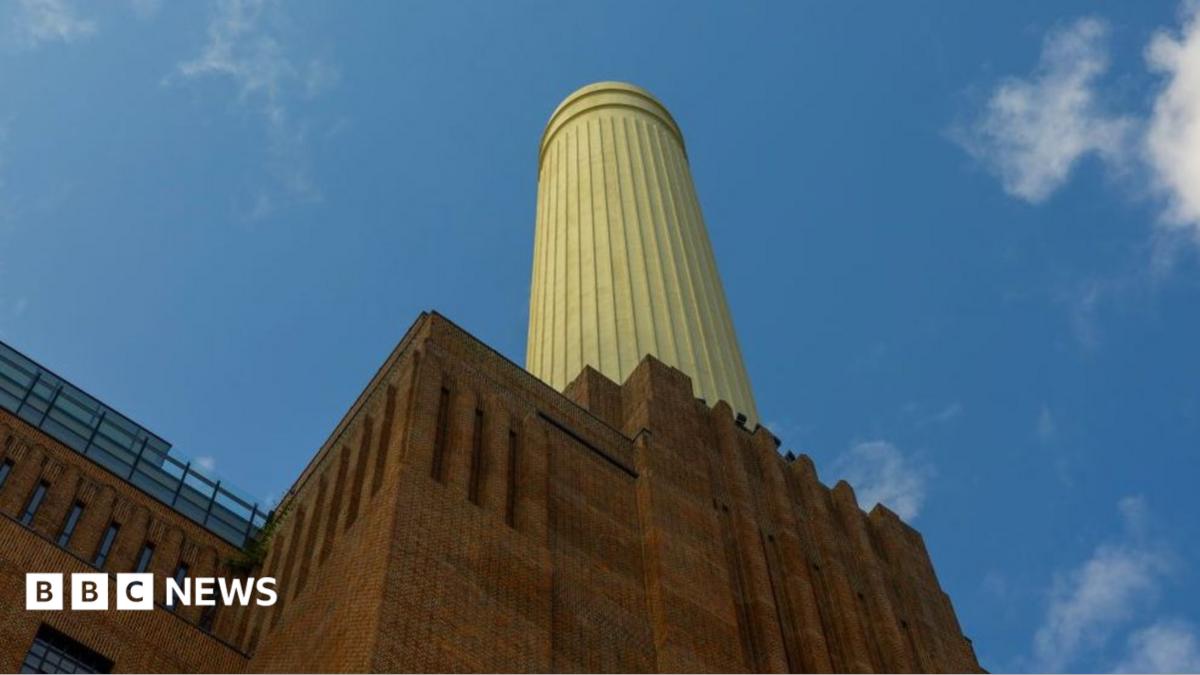
 Jess Weatherbed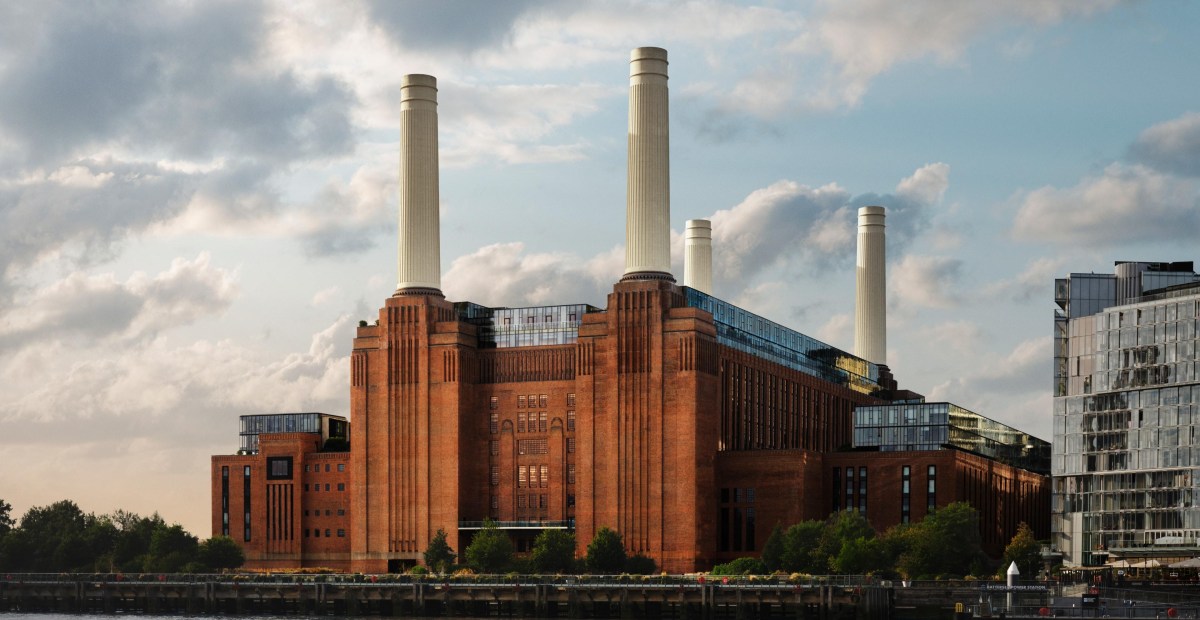
 Alex Lawson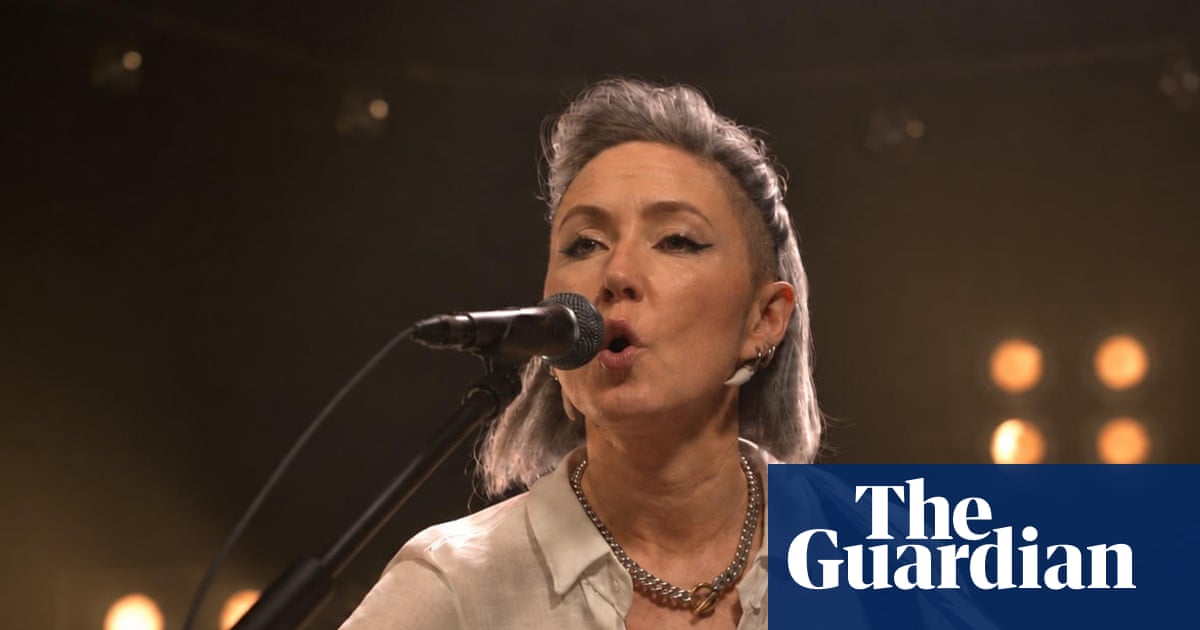
AI subscribers take action over anticompetitive coordinated development slowdowns
Four AI subscribers have started a posisble class action claiming major AI companies illegally coordinated AI development slowdowns in breach of competition law.
Right when everyone else is calling for a slowdown on AI development, four AI users who subscribe to ChatGPT, Claude, Grok and Gemini have initiated a possible class action arguing the heads of major AI companies illegally agreed to coordinate slowdown efforts which will reduce the value consumers get for paid subscriptions. Although this may seem counterintuitive and frankly a bizarre move, it seems their intentions are good.
Their filing says they don’t object to companies individually opting to slow their own progress in favor of safety but that antitrust law means they can’t take the shortcut of agreeing to ‘substitute collective restraint for individual accountability’. The Nick Rowley explained:
AI will quickly spin out of human control and could kill us all if we allow AI safety and protocol ... to be controlled by private self-serving agreements between the world’s most powerful ‘for profit’ technology companies.
- Lawsuit says Anthropic, OpenAI, SpaceXAI and Google made illegal agreement on AI slowdown, Kaitlyn Huamani, AP News, Sunday 20 September 2026
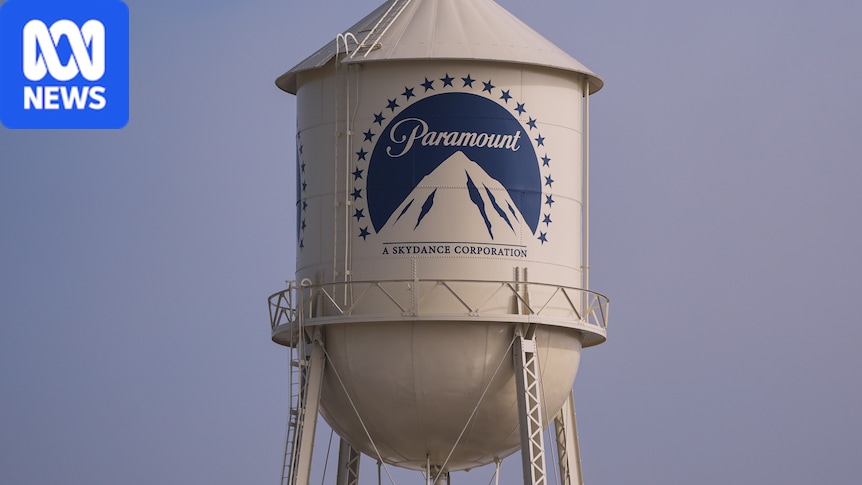
Paramount settlement agreements clear the path for Warner Bros. merger
Paramount reached settlements with twelve US states and the Writers Guild of America, securing production and financial commitments that clear the path for its merger with Warner Bros.
Paramount Skydance has reached a settlement agreement with the 12 US states that were challenging its proposed merger with Warner Bros. Discovery and one with the Writers Guild of America (WAG). Paramount CEO David Ellison says the settlements clears a path to the acquisition taking place and Hollywood would be the stronger for it.
To secure the agreements Paramount committed to:
- producing 30 movies each year in the first two years and 32 per year for the following three years, with minimum quotas for the number of independent films and blockbusters released, and financial penalties if targets are not met
- an increase in US film production spending of at least $300 million annually more than what they spent in 2025
- both studio’s production lots have to be maintained, labor agreements must be honoured and they have to fund workforce training
- a News Editorial Independence Board must be established to set editorial principles for the combined company's news channels, including CNN.
Compliance would be overseen by an internal monitor, an independent trustee and a committee of five states. The court would retain jurisdiction over enforcement.
While California Attorney-General Rob Bonta said the settlement doesn’t mean the states support the merger and not all the states were keen on the agreement, the holdouts – Massachusetts, New York, Connecticut and Minnesota – conceded fighting the case without California wasn’t worth the expense. WAG also recognised going it alone would be difficult which prompted their agreement under which the combined company cannot lay-off writers at CBS News for five years and pay $US17.5 million to WGA's health fund, along with WAG’s litigation fees.

A bit on the side
WTF else happened this week:
Comic-Con altercation ends in bite. Perhaps I need to rename this section ‘A bite on the side’ this week after reading about an incident that went down at the Brisbane Oz Comic-Con event. Reportedly two vendors got into a heated argument after one asked the other if the artwork they were selling was AI-generated. The altercation escalated to the accused vendor biting an accomplice of the other vendor who was filming the incident on the arm. The matter was referred to the police and all parties were banned from future Oz Comic-Con events and the Brisbane Convention and Exhibition Centre.
 Kenji Sato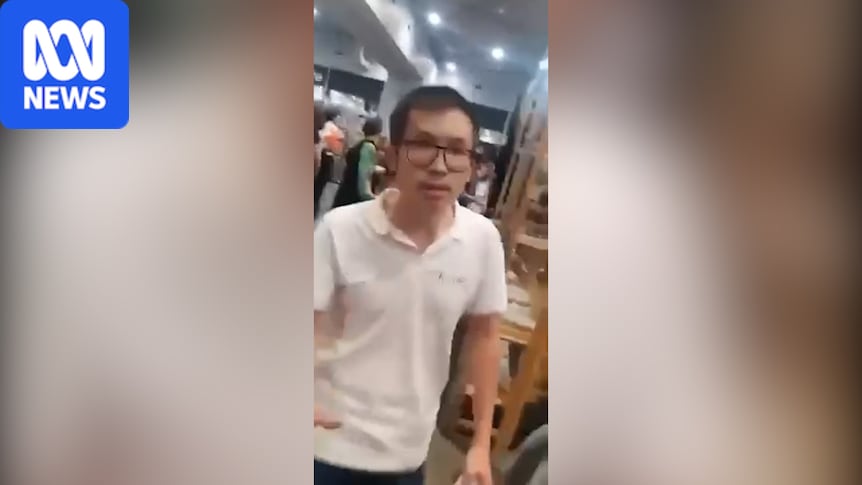
If you are enjoying this WTF now?! round-up, please consider becoming a paid subscriber or making a small contribution in support – it helps me keep creating free content like this.
Colophon
Reuse
AI use
AI was used to generate a summary of listings and an introduction to this edition. Those summaries and that introduction were used to generate ideas. No AI-generated content was used verbatim.
The banner graphic (i.e. the first image at the top of the blog post) was adapted from vector graphics generated in Adobe Illustrator using Firefly 4 with 'Subject' content type selected and the lowest level of detail set. { Text to Vector Graphic prompt: Seamless pattern, very large simple shapes, 80s retro style, fluid organic elements, morphing, overlapping, blurred gradients, visible layers. }
Provenance
This blog post was first published on Wednesday 23 September 2026. It has not been updated. This is version 1.0.