
I am enroute back to Brisbane from Paris where I was attending Wikimania 2026. It was a huge week immersed in all things Wiki, so the newsletter is a little shorter this issue.
The two big things covered. First, NVIDIA CEO Jensen Huang used his first post on X to share an open letter calling for the protection of open source AI. NVIDIA also joined a consortium of AI and other companies in establishing the Open Secure AI Alliance.
Also, Cory Doctorow shares some AI predictions with Australia while Associate Professor Guy Morrow discussed international moves to protect artists from AI training and reminds Australian policymakers that currently not all Indigenous Cultural and Intellectual Property (ICIP) is within scope of copyright and could remain at risk of use by AI developers without protection.
You can get weekly WTF now?! round-up in your inbox. Sign up as a free member to get it by email.
Rapid-fire
A short list of other things:
- The Canadian Government is consulting on enhancing trust in AI through increased transparency as part of Canada's National Artificial Intelligence Strategy: AI for All. Shoot through
WTF’s been going on?
Here's WTF happened this week:
NVIDIA CEO Jensen Huang first X post champions open source AI
NVIDIA CEO Jensen Huang used his first X post to support an open letter signed by 76 AI players urging open source AI be protected as vital transparency, competition and innovation. NVIDIA is also a foundational partner on a new Open Secure AI Alliance.
NVIDIA Founder and CEO Jensen Huang is very late to X, but has used his first post published on Friday 24 July 2026 to share an open letter dated the same day by 76 signatories warning American policymakers not to kill off open source AI: ‘The world needs both frontier closed models and frontier open models’ he said.
For my first post, I’m sharing a letter @NVIDIA signed on why open models matter.
— Jensen Huang (@JensenHuang) July 24, 2026
AI will transform every industry, power every company, and be built by every country.
Open models strengthen safety and cybersecurity, accelerate innovation and diffusion, and enable sovereignty.… pic.twitter.com/t02bi51N4C
The letter – in which NVIDIA is joined by Google, Microsoft, OpenAI, OpenClaw, Meta, Hugging Face, The Linux Foundation, Mozilla, Cloudflare, CISCO, Perplexity, Mistral, Palantir, IBM, SpaceXAI and others – focuses on the important role that open source AI plays in the AI ecosystem, making AI more available accessible and adaptable. This is important because, as the letter argues, open AI allows people to ‘build on advanced [AI] models without training one from scratch or paying frontier-model prices for every task.’ It goes on to say that frontier models are not needed for everything and that the proliferation of open AI is more economically sustainable, strengthens competition, increases transparency, avoids vendor lock-in and helps distribute AI’s benefits more broadly.
While championing open AI, the letter is also mindful of the risks they carry. Even so, the letter says prohibiting them is not the answer. Rather they are an important part of cyber security response: ‘Open models broaden defensive capability, increase transparency, and allow vulnerabilities to be discovered and remediated across many teams’ it says. Further, the letter discourages policymakers from outright prohibiting distillation, saying it is fundamental to open AI. If proprietary AI developers are concerned about unlawful distillation that ‘should be addressed through targeted legal and commercial frameworks rather than sweeping restrictions on techniques that play an important role in AI innovation.’
Off the back of the letter, NVIDIA and a consortium of partners announced the Open Secure AI Alliance on Monday 27 July 2026, a communal commitment ‘to ensure defenders everywhere have open, frontier tools they can trust and control.’ Letter signatories who are also alliance members include Microsoft, OpenClaw, Hugging Face, Cloudflare, CISCO, Palantir, IBM, SpaceXAI. Red Hat, Thinking Machines, Adobe, Salesforce, SAP, Siemens and others joined them in the Open Secure AI Alliance.
 Nick Lichtenberg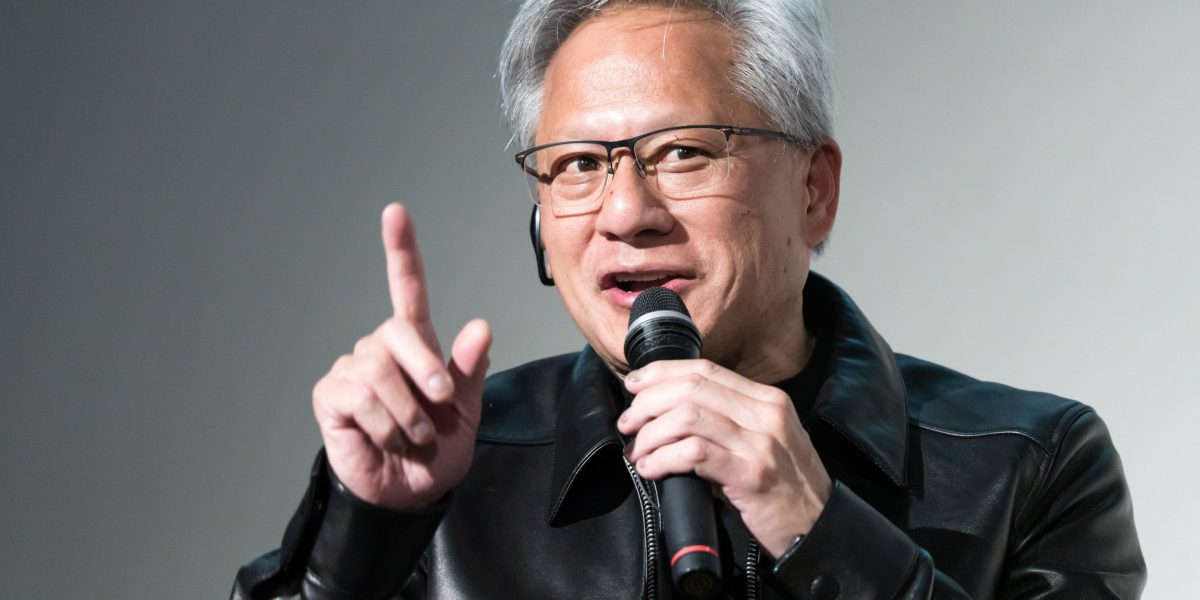
 NVIDIA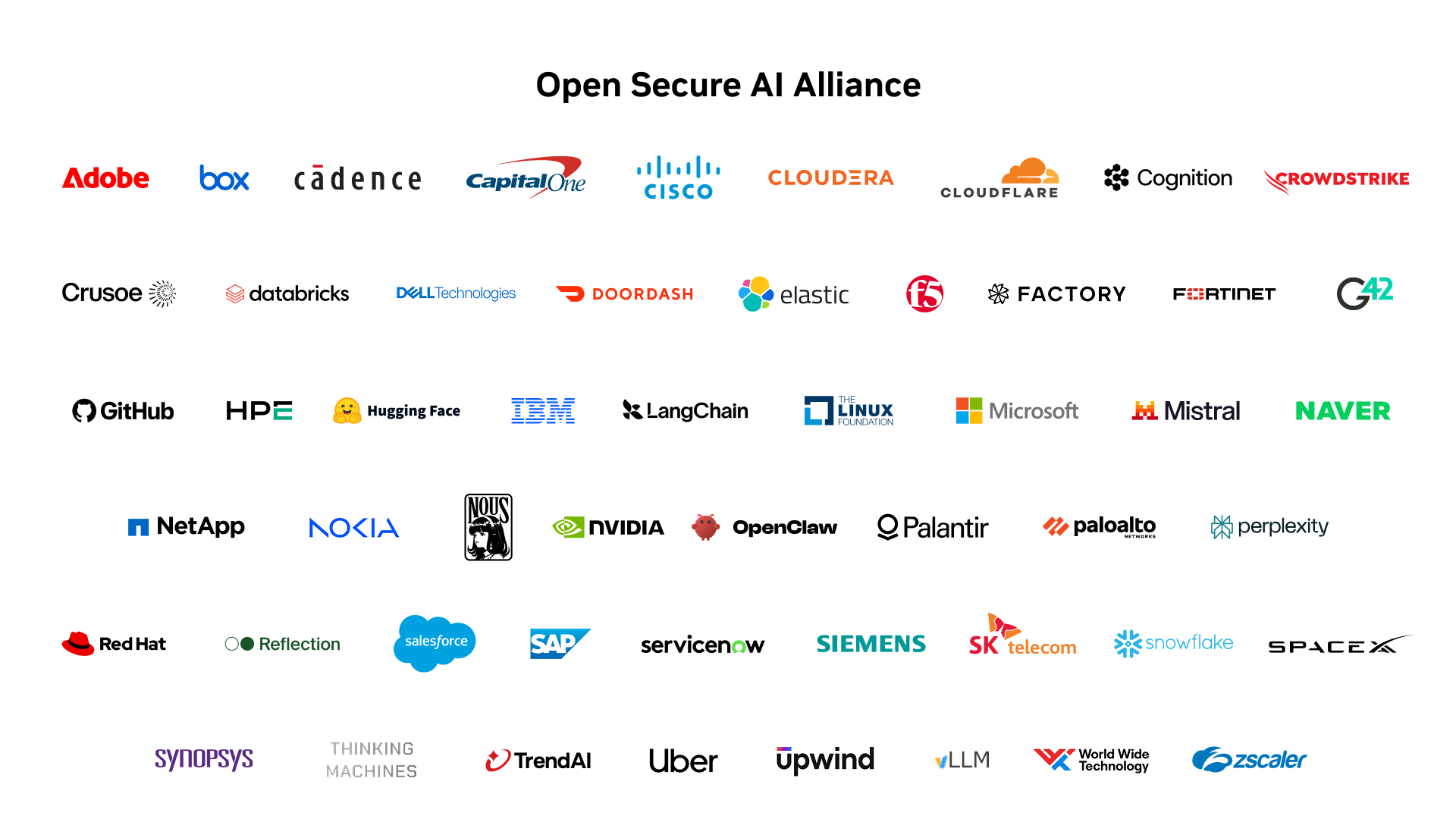
Perspectives on Australia’s new AI posture
Cory Doctorow questions Australia's new AI position and encourages consideration of the post-AI bubble environment while Guy Morrow analyses the regulatory gaps that will leave Indigenous cultural knowledge at risk of use by AI systems.
Copyright and AI is still making the news two weeks on from Prime Minister Anthony Albanese’s speech on Australia’s response to AI that marked a shift to a national AI framework underpinned by Australian Standards for AI. One reason is because author Cory Doctorow is coming back to Australia to promote his new book, The Reverse Centaur's Guide to Life After AI: How to Think About Artificial Intelligence Before It's Too Late and is quoted in a Guardian article commenting on Australia’s current AI posture. Among Doctorow’s warnings are predictions that:
- creators should be mindful that new copyright protections will likely result in them transferring those rights to employers, publishers or other intermediaries (something Doctorow with Professor Rebecca Giblin also warned about in Chokepoint Capitalism)
- the AI bubble will burst leaving open-source models, infrastructure and skilled people behind
- knowledge gaps in companies that replaced staff and skills with AI will take significant time to refill.
Also, Associate Professor Guy Morrow has a piece in The University of Melbourne’s Pursuit that provides a handy cheat sheet on possible copyright and AI regulatory approaches being considered around the world. Morrow also looks at why the Australian Government’s pledge to strengthen artists’ copyright protection against AI training will continue to leave some Indigenous cultural knowledge at risk of use by AI systems because gaps in Australian laws keeps some aspects of Indigenous Cultural and Intellectual Property (ICIP) outside of protective regulatory regimes.
 Josh Taylor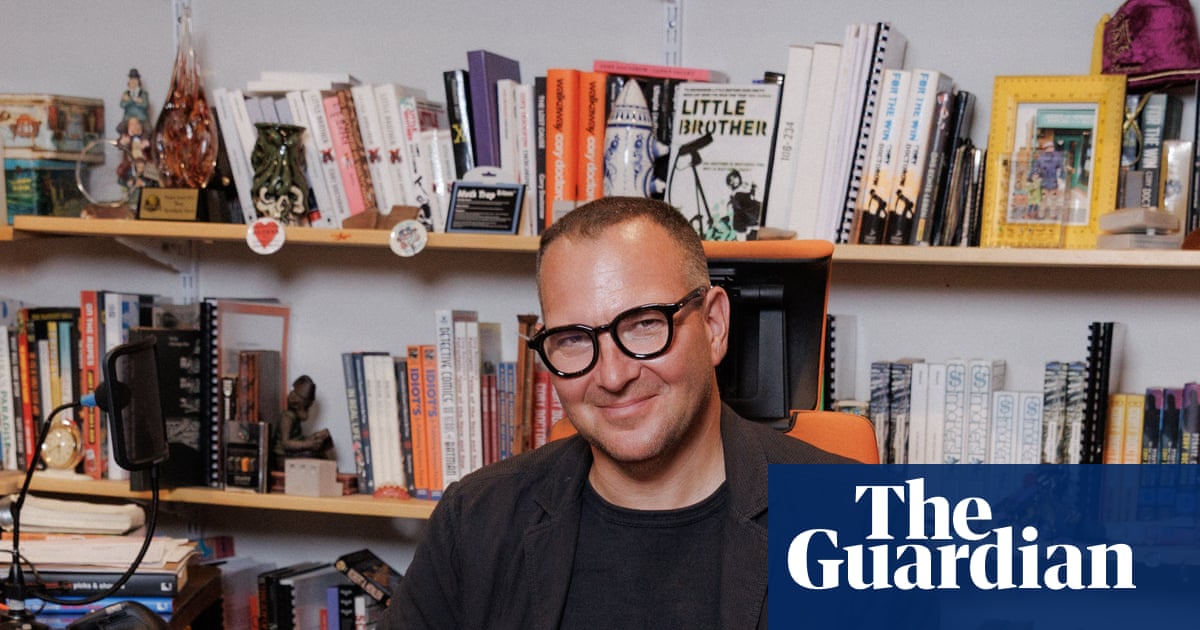
- Australia's new copyright laws make AI companies pay for the creativity they train on, Guy Morrow, Pursuit, The University of Melbourne, Monday 27 July 2026
If you are enjoying this WTF now?! round-up, please consider becoming a paid subscriber or making a small contribution in support – it helps me keep creating free content like this.
Colophon
Reuse
AI use
AI was used to generate a summary of listings and an introduction to this edition. Those summaries and that introduction were used to generate ideas. No AI-generated content was used verbatim.
The banner graphic (i.e. the first image at the top of the blog post) was adapted from vector graphics generated in Adobe Illustrator using Firefly 4 with 'Subject' content type selected and the lowest level of detail set. { Text to Vector Graphic prompt: Seamless pattern, very large simple shapes, 80s retro style, fluid organic elements, morphing, overlapping, blurred gradients, visible layers. }
Provenance
This blog post was first published on Wednesday 29 July 2026. It has not been updated. This is version 1.0.