


Arts Minister Tony Burke has opened consultation for the next National Cultural Policy. It is intended that the new policy will build on Revive, the current cultural policy, including carrying its five pillars forward. Burke wants to know where the gaps are in Revive and what emerging opportunities and issues have come up since it was released.
Also arts and culture related, Creative Australia and Australia Reads have published Reaching Australian readers, research identifying reading behaviours in Australians and strategies to boost recreational reading. And music streaming platforms Spotify and Apple Music are doing more to encourage live music attendance. Spotify has also launched SongDNA, an interactive way to explore the creative connections between music – collaborators, samples and covers.
Anthropic has put out analysis of responses to a massive global survey Claude conducted which saw more than 80,000 people respond. It found that a primary driver for AI use is increased productivity to reclaim ‘me time’ and ‘family time’. The research looks at people’s hopes for and concerns with AI, which often present as coexisting tensions, where the capabilities that generate hope, such as time-saving and learning, also produce fears like illusory productivity and cognitive atrophy.
This week we also saw the US Federal Communications Commission (FCC) ban all foreign-made routers over national security concerns. And there were even more acquisitions of AI companies by Big Tech companies.
And if you are still with me, the bit on the side this week includes a new AI and copyright court case by Encyclopaedia Britannica and the Merriam-Webster Dictionary against ChatGPT-maker OpenAI, the US Department of Justice (DOJ) says political favours won’t fast track the Paramount–Warner Bros. merger and AI device maker Rabbit is keen to make an coding-focused low-end PC.
Oh, I am also testing a new rapid-fire section at the start of the newsletter for very quick news. Let me know what you think of it.
Don't just read the introduction. Free members can read the entire weekly WTF now?! round-up. Sign up and keep reading.
Rapid-fire
A short list of other things:
- Alison Dellit is the new Director-General of the National Library of Australia (NLA). Also Esther Anatolitis joins the National Museum of Australia Council. Congratulations to both! Shoot through
- OpenAI is shutting down its AI short-form video social media app Sora. The announcement was made on X today. It is interesting timing given they shared an update about safety on the platform just two days ago. Shoot through
- State Library Victoria's acting CEO John Wicks is joining the Art Gallery of New South Wales (AGNSW) as Deputy Director and Chief Operating Officer and Wayne Tunnicliffe has been appointed Director of Collections and Exhibitions. Shoot through
- Queensland craft and design peak artisan has set up shop in its new home at the State Library of Queensland (SLQ). Shoot through
- The Australian Government is consulting on proposed changes to the National Classification Scheme. Submissions close on Monday 4 May 2026. Shoot through
- The Australian Research Council (ARC) have updated their Open Access Policy, including new requirements for research conducted with, by or for Aboriginal and Torres Strait Islander peoples and communities. The new policy takes effect on Wednesday 1 July 2026. Shoot through
- Flickr Foundation faces funding concerns and is reducing its programs to focus solely on Flickr Commons. Shoot through
What’s been going on?
Here's WTF happened this week:
Consultation for the next National Cultural Policy has started
The Australian Government is seeking public input into the next National Cultural Policy. Building off the enduring pillars in the current policy, Revive, the government seeks views on the challenges and opportunities for each pillar, why the pillars matter and what should be included in the next policy.
We are three years into the five-year National Cultural Policy, Revive, and the Australian Government has started consultation to support the development of our next National Cultural Policy. In a joint media release put out on Monday, Arts Minister Tony Burke and Special Envoy for the Arts Susan Templeman said the new policy is designed to build on Revive. It will also respond to gaps in that policy and to emerging priorities and opportunities that have come up since it was released. And the new policy will provide a ‘clear framework to support a vibrant and sustainable cultural future.’ The new cultural policy also aims to set future direction for supporting creativity, cultural expression and arts participation.
The Department of Infrastructure, Transport, Regional Development, Communications, Sport and the Arts YouTube video of Arts Minister Tony Burke announcing consultation on the next National Cultural Policy.
The government has signaled that it will continue to use the five pillars set out in Revive:
- First Nations First,
- A Place for Every Story,
- Centrality of the Artist,
- Strong Cultural Infrastructure, and
- Engaging the Audience.
The consultation is seeking views on:
- the challenges and opportunities you see in the pillar or pillars most relevant to you,
- why the five pillars matter to you and your practice, and/or
- what you would like to see reflected in the next National Cultural Policy.
A consultation paper has been released as part of the consultation process. It is a grab bag of arts topics, touching on the economic contribution of the arts, arts and culture’s role in shaping personal and national identity and the national story and how arts participation contributes to social well being, as well as challenges including digital platforms and how those impact authenticity, creators’ rights, remuneration for creators and consumer behaviour in arts and culture, changing expectations around access, discoverability and participation and cost of living pressures. Yesterday I published a briefing on the consultation paper for those interested in a more detailed summary.
Here’s a few things I have been thinking about for the next cultural policy:
- The new policy will cover a period of five years from 2028. While Revive has had some longevity, the next Federal Election is expected by May 2028, which means Revive 2.0 could suffer the same fate as Creative Australia, the 2013 Gillard government national cultural policy that was axed by the incoming Abbott government six months into its policy period. A return to bipartisan respect and support for arts and culture may be difficult to achieve, but would be welcome given Coalition governments don’t develop national cultural policy.
- While not named directly, the impact of AI on arts and culture is alluded to in the consultation paper. There is no question that AI is accelerating and extending the role of digital platforms in content creation, distribution and discovery, which ‘is expanding access while also raising questions about authenticity, creative rights and fair remuneration.’ I would find it odd if the next cultural policy didn’t say something about AI.
- Go beyond a mere recognition of arts and culture's contribution to health. Push for a comprehensive Federal Arts–Health partnership that reintroduces arts and cultural participation into NDIS plans, aged-care lifestyle activities and things doctors can prescribe. Imagine a Government subsidised Pharmaceutical Benefits Scheme (PBS) for the arts.
As with the consultation for Revive, Minister Burke has appointed Expert Panels related to each pillar and a Policy Advisory Group. The make up of the panels and advisory group have not been released yet, but the Expert Panels will inform the Minister and the Policy Advisory Group on key issues and themes raised through the public consultation process.
The Burke–Templeman media release talks up the track record of Revive and the fact that the new policy would represent the first time Australia has had consecutive national cultural policies. Apparently it will be the fourth cultural policy for Australia.
Interested parties can participate by making a written submission or attending town hall sessions around the country to engage directly with Minister Burke. Town hall dates have not been released yet. The consultation closes Sunday 24 May 2026. Submissions can be made on the Office for the Arts website.
- A new National Cultural Policy, Office for the Arts, Department of Infrastructure, Transport, Regional Development, Communications, Sport and the Arts, Australian Government.
- Consultation is now open for the next National Cultural Policy, Ministers for the Department of Infrastructure, Transport, Regional Development, Communications, Sport and the Arts, Department of Infrastructure, Transport, Regional Development, Communications, Sport and the Arts, Australian Government.
 Elliott Bledsoe

My briefing about the next National Cultural Policy consultation paper.
Research on Reaching Australian readers released
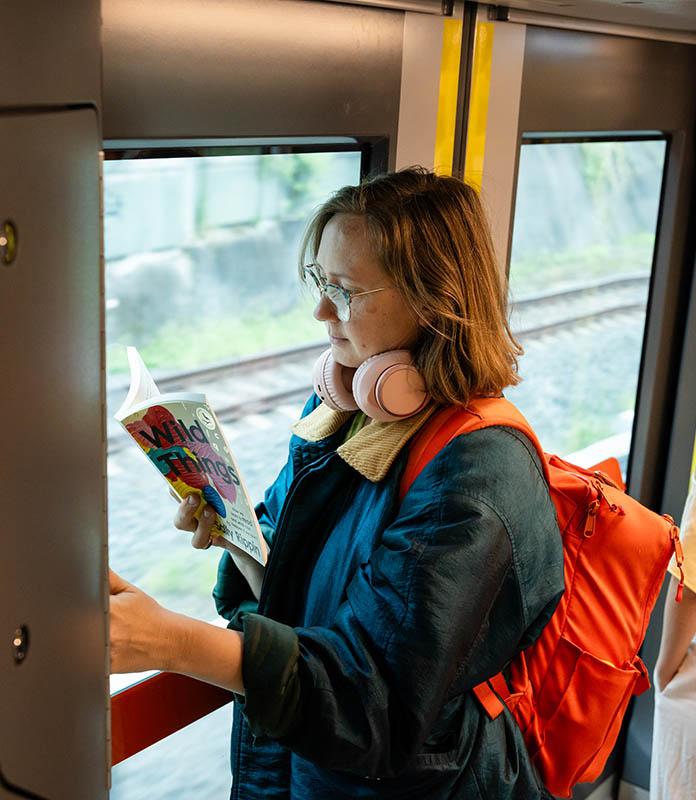
New research suggests the most effective strategies to get more Australians reading need to be attention grabbing, relevant, prompt reflection on how reading fits into their life, increase confidence and capability in finding and reading books and make reading more feel achievable not aspirational.
Yesterday I attended a briefing webinar about Reaching Australian readers: Testing behavioural strategies to increase recreational reading, new research that comes out of a collaboration between Creative Australia, Australia Reads and BehaviourWorks Australia. It builds on the 2025 report Understanding Australian readers which looked at Australian’s attitudes towards and behaviours around reading. Beyond the joy of reading itself, reading improves people's health, happiness and connectedness, yet Australians want to read more frequently but things get in the way.
The research is a roadmap presenting actionable recommendations for the books and publishing industry. It tested strategies to increase recreational reading in four priority segments to determine what is most effective at shifting reading intentions. The report suggests strategies to increase recreational reading are most effective when they capture attention, feel personally relevant, encourage reflection on how reading fits into people's lives, make people feel confident about finding and reading books and that make reading more feel achievable not aspirational.
The report presents considerations for the publishing industry and related sectors such as bookstores and libraries. Players should target messaging catering to a specific segment of readers, their motivations and the barriers they face ⟨ which is exactly what I try to reinforce with arts marketers all the time! ⟩ Messaging should lean into those strategies, aiming for personal relevance, realistic reflection on reading more, building people’s confidence and capability finding things to read and normalising easy, low-effort reading routines. These should be augmented by practical, low-effort tactics to help people reconnect with books, such as ways to discover new books, using pockets of time to read and choosing formats that suit the moment.
⟨ I haven’t read the report in full yet, but I am looking forward to doing so and I am aiming to get a briefing out about it soon. ⟩



- Reaching Australian readers: Report release and key takeaways, Australia Reads, Tuesday 24 March 2026.
Spotify releases immersive SongDNA experience and Spotify and Apple Music integrate concert tickets
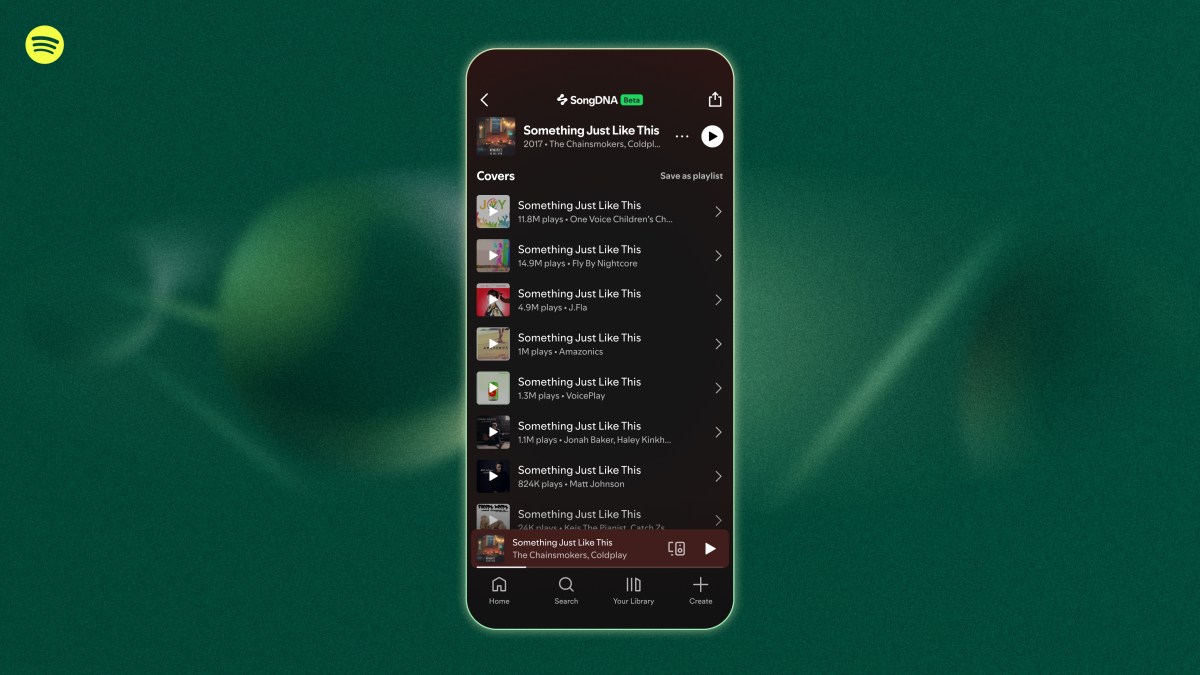
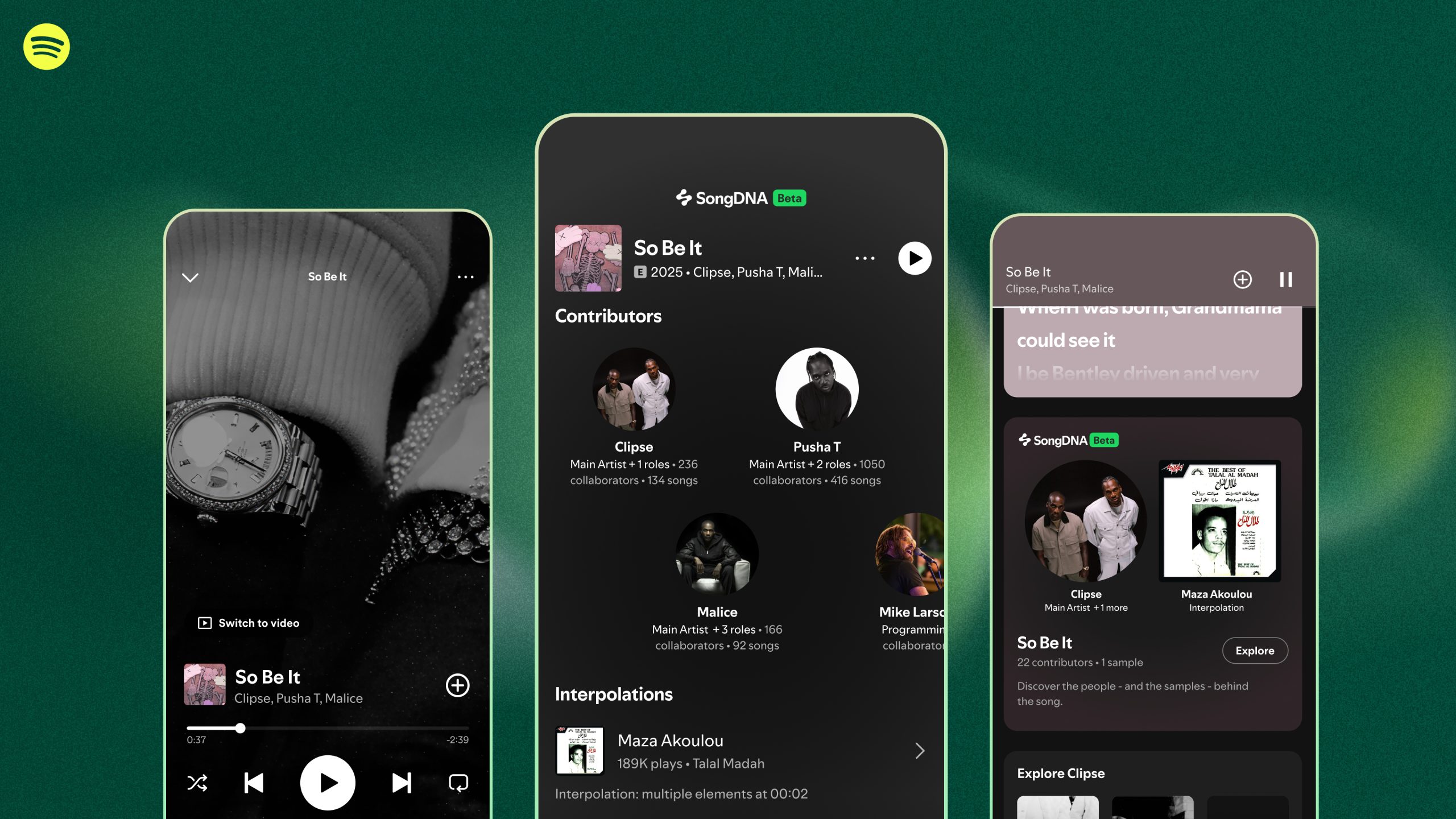
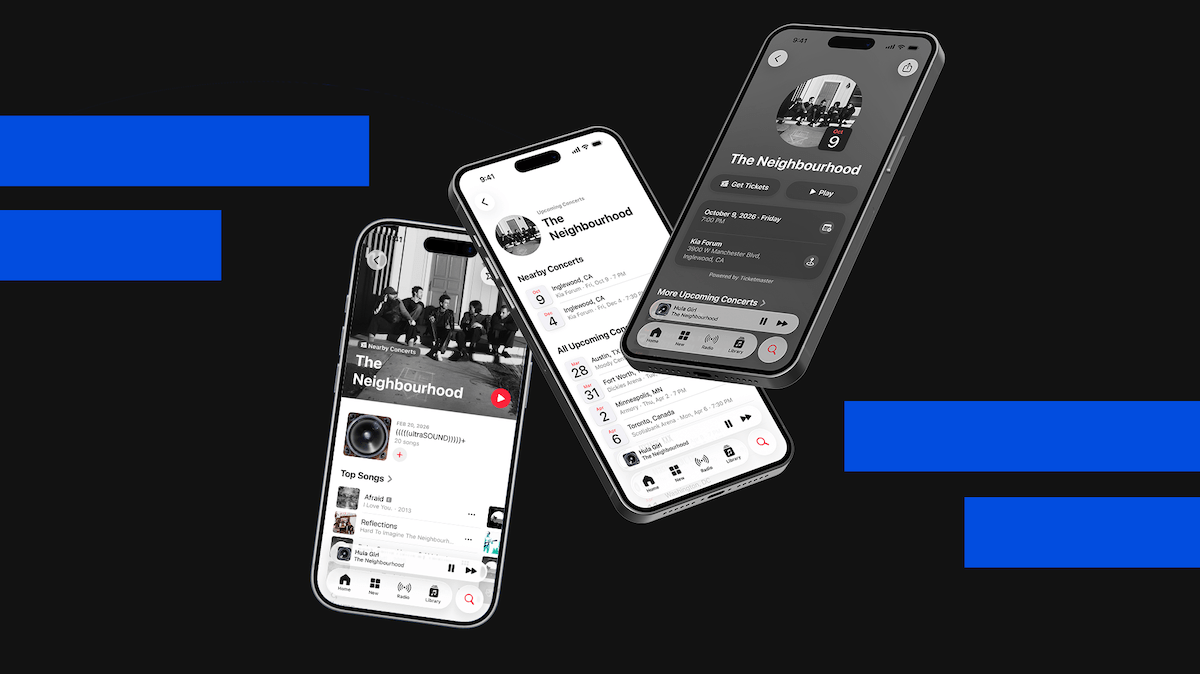
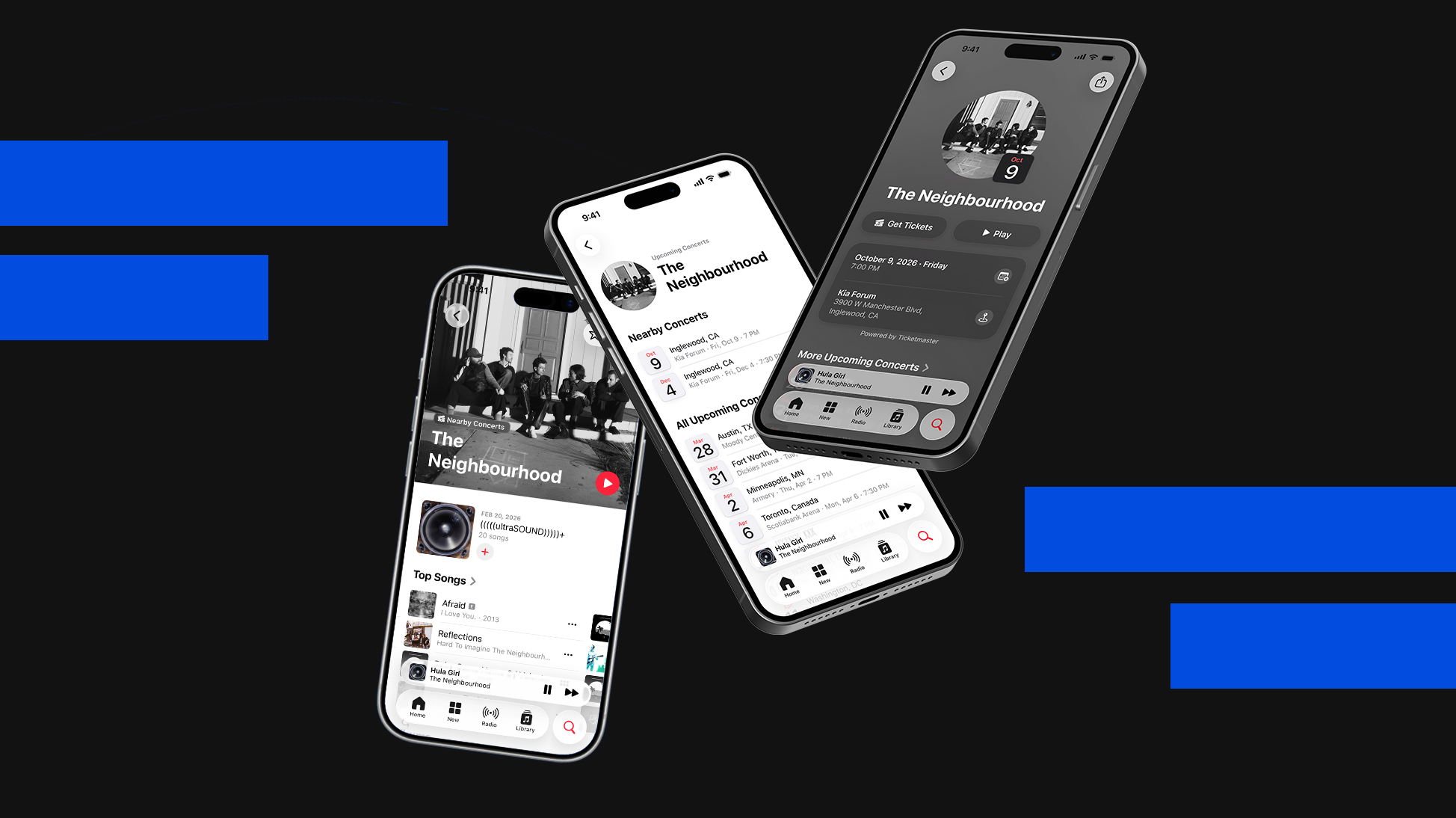
Spotify launched SongDNA, an interactive Premium feature mapping connections between songs, including creators, samples and covers. Also, Apple Music and Spotify have both announced partnerships to enhance live music discovery on their music streaming platforms. Apple Music has partnered with Ticketmaster and Bandsintown and Spotify with SeatGeek.
Premium Spotify subscribers can now explore the connections between music using a new feature called SongDNA. Here’s how it works:
SongDNA is our new, immersive music experience that’s built right into the Now Playing view. By simply tapping the SongDNA card, you can explore the writers, producers, and collaborators behind a song, see samples and interpolations that shaped its sound, and browse the covers it inspired. But it doesn’t stop there. You can tap into any of those creators to discover the other artists they’ve worked with, then explore those collaborators in turn. It’s an interactive way to follow the connections between tracks and see how artists, eras, and genres intersect, giving you a deeper understanding of how what you’re listening to came together.
Separately, Apple Music is reportedly partnering with Ticketmaster to allow users to explore ticket options in the Apple Music experience. This will see personalised concert recommendations on the homepage, ‘on tour’ badges on artist pages, a Concerts tab and push notifications telling fans when artists they listen to are performing nearby. Also as part of its live music discovery efforts, Apple Music will be bring Bandsintown’s concert listings into the music streaming app.
A similar arrangement was announced between Spotify and SeatGeek in mid-February. That will see SeatGeek’s ticket inventory for venues where it is the primary ticket seller integrated directly into Spotify’s event discovery experience.
 Sarah Perez
 Lauren.Petersongroupsjr.com
 Lauren Forristal

 Lauren Forristal
- SeatGeek Expands Concert Discovery Through Spotify Integration, SeatGeek, Wednesday 18 February 2026.
America bans foreign-made routers
The FCC has put all foreign-made routers on the Covered list of technology that is deemed an ‘unacceptable risk’ to US national security.
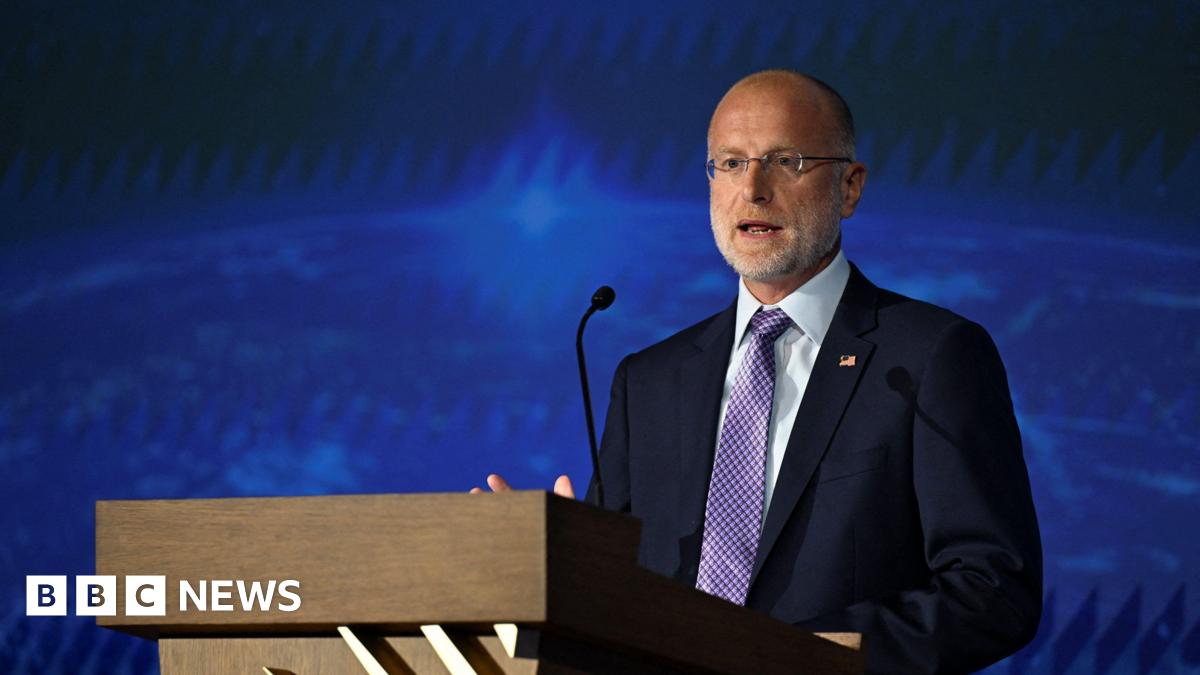
The US Federal Communications Commission (FCC) and Homeland Security Bureau announced updates to the FCC Covered list of telecommunications and security equipment or services deemed to pose an ‘unacceptable risk’ to US national security to include all routers produced in a foreign country. The decision comes in response to a National Security Determination that also concluded foreign-made routers posed unacceptable risks. The determination says:
Recently, malicious state and non-state sponsored cyber attackers have increasingly leveraged the vulnerabilities in small and home office routers produced abroad to carry out direct attacks against American civilians in their homes. From disrupting network connectivity to enabling local networking espionage and intellectual property theft, foreign-produced routers present unacceptable risks to Americans. Additionally, routers produced abroad were directly implicated in the Volt, Flax, and Salt Typhoon cyberattacks which targeted critical American communications, energy, transportation, and water infrastructure. Routers in the United States must have trusted supply chains so we are not providing foreign actors with a built-in backdoor to American homes, businesses, critical infrastructure, and emergency services.
The FCC said in their fact sheet that ‘Malicious actors have exploited security gaps in foreign-made routers to attack American households, disrupt networks, enable espionage, and facilitate intellectual property theft’. People with routers manufactured overseas can continue to use them but all new device models are banned. While people will still be able to use foreign-made routers they already own, the ban applies to all new device models, even if it was designed in the US, but built overseas.

Anthropic survey research reveals our AI hopes and fears
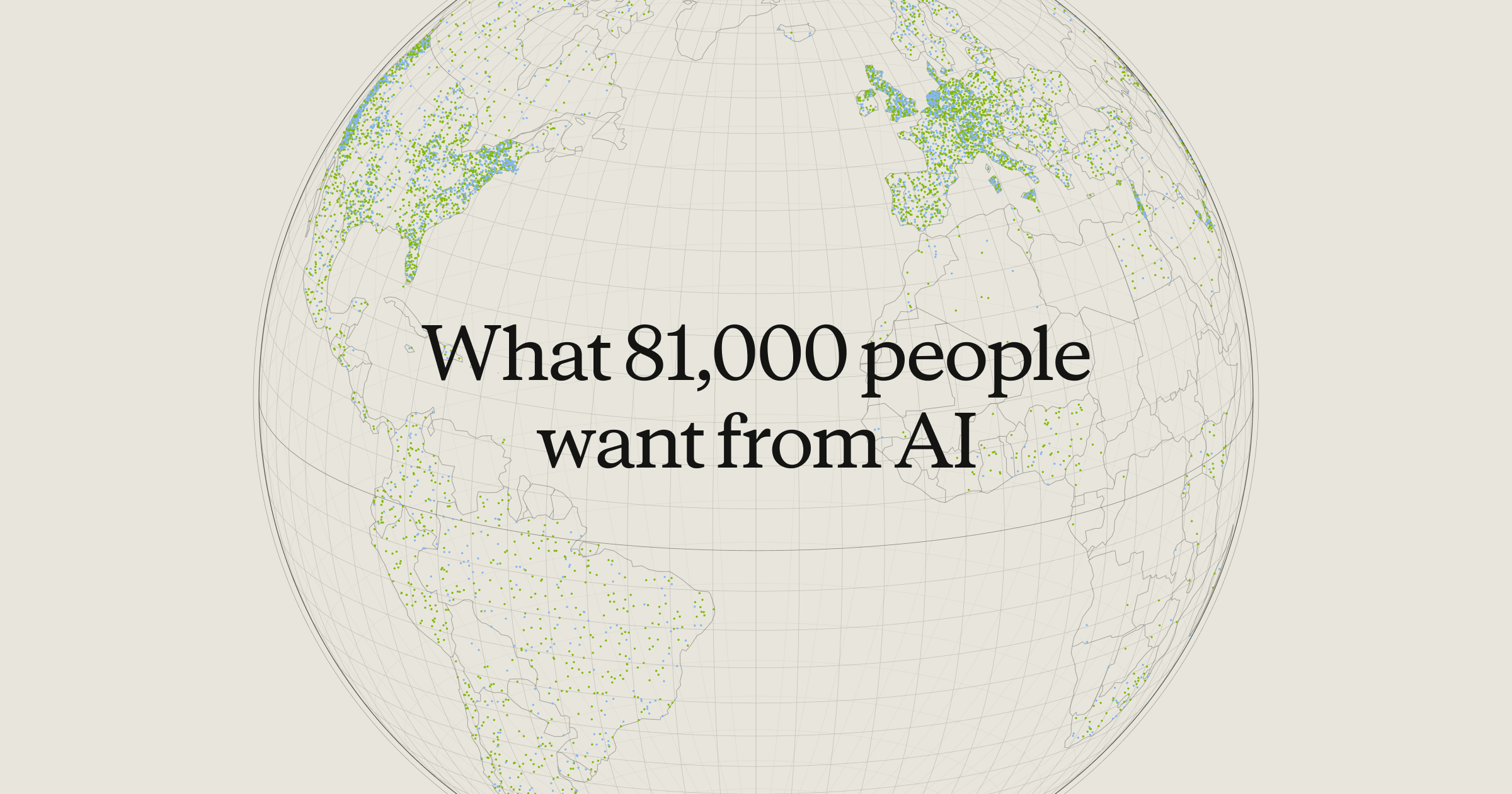
An AI-powered global survey run by Anthropic reveals that a major motivation for AI use is productivity, but not for productivity’s sake. Users want to reclaim time and headspace which they can reallocate to personal relationships and pursuits. The survey identifies a range of hopes for AI tied to efficiency, being better people and living better lives, alongside concerns such as inaccuracy, misuse and overuse. In many cases a “light and shade” scenario exists where the capabilities that create benefits also produce harms.
Fresh off the back of Anthropic’s announcement about its consolidated ethics and research efforts under the Anthropic Institute, the AI company released details of a significant research project this week. Anthropic wanted to know what “AI going well” means for Claude users, grounded in their aspirations and concerns as users of AI. So they used an AI interview chatbot to ask them about their hopes and concerns with AI, and how that connects with their experiences with AI technologies.
Over a week in December last year, 80,508 respondents from 159 countries speaking 70 languages shared the role they want AI to play in their lives, whether AI is already doing that and what they are concerned could go wrong through an open ended interview. With that volume of data collecting, Anthropic believes it is the largest and most multilingual study ever conducted. Anthropic Interviewer asked interviewees a set of questions then adapted follow-up questions based on each interviewee’s responses. This approach, they say, ‘bridges the typical tradeoff in qualitative research between depth and volume,’ collecting ‘rich, open-ended interviews at a very large scale.’
They used Claude to categorise each conversation across a range of dimensions: ‘what people want from AI, whether they’re getting what they want, what they fear, what they do for a living (if mentioned), and their sentiment about AI overall.’ They have reported some of the findings in the blog post. For those interested in the research, I have published a deeper drive into the findings, but for WTF now?! here's some initial insights:
The top hopes expressed worldwide in rank order were efficiency in work and being freed up to do more meaningful work, AI guided personal transformation, organisational support and cognitive scaffolding, reclaiming ‘me time’, using AI to achieve financial freedom, societal transformation by addressing major social challenges, AI boosting entrepreneurship, AI to accelerate learning and using AI to bring creative visions to life.
In terms of concerns, here's what came out of Anthropic’s research (in rank order): unreliability, impacts on jobs and the economy, loss of human autonomy, over reliance and skills loss, insufficient regulation, misinformation in outputs and AI used for misinformation, AI as an extension of surveillance capitalism, malicious use by bad actors, AI replacing human creativity or what it means to be human, overrestriction of AI, impacts on personal and social wellbeing, AI being to sycophantic and existential risks AI poses.
Anthropic go on to suggest there is a causal link between some of the hopes expressed and some of the concerns raised. Respondents reported hope and alarm, not dividing people in camps so much as coexisting tensions. They identified a number of hope–concern pairings: learning–cognitive atrophy, better decision-making–unreliability, emotional support–emotional dependence, time-saving–illusory productivity and economic empowerment–economic displacement.
The end section of the blog post looks at geographical differences. In terms of dispersion of AI positivity across the globe, Anthropic say that ‘Clear trends emerged in which people in South America, Africa, and much of Asia view AI with more optimism than those in Europe or the United States,’ but what they didn’t say is that North America displays near average positive sentiment, whereas Europe has a mix of countries that are near average or that are below average in relation to positivity towards AI. Australia and New Zealand both lean more pessimistic about AI. And the so-called Global South is almost uniformly positive about AI.
Anthropic also provides very useful regional comparisons that let you compare two regions or compare a region to the global average for AI hopes and AI concerns. Australia and New Zealand seemingly are in the middle of the pack when it comes to our hopes. We and our cousins over the ditch are pretty much on par with the global average on most hopes, although more Australians and New Zealanders want AI to help with life management compared to the worldwide average. We also are more concerned than the global average about governance of AI though law and regulation and existential concerns about AI.
The research also includes a Quote wall – representative anonymised quotes Claude pulled out from the responses which can be filtered by region, users vision for AI, their experiences using AI and their concerns with AI.

 Elliott Bledsoe

My briefing about the Anthropic survey research.
Even more AI acquisitions
OpenAI add another acquisition to their buyouts in Q1 2026, Amazon join the list with a purchase of stair-climbing delivery robot company Rivr. And vibe coding platform Lovable is open to acquisitions.
Adding to the list of AI companies acquiring AI companies in Q1 2026, OpenAI has announced it intends to acquire Python toolmaker Astral. The move is designed to improve OpenAI’s Codex coding AI tool ‘to move beyond AI that simply generates code and toward systems that can participate in the entire development workflow.’ Astral have stated that OpenAI ‘will continue supporting our open source tools after the deal closes. We’ll keep building in the open, alongside our community – and for the broader Python ecosystem,’ which OpenAI echoed.
Also, vibe coding platform Lovable is looking for things to acquire according to an X post from their CEO Anton Osika.
We're looking for more great teams and startups to join Lovable.
— Anton Osika – eu/acc (@antonosika) March 23, 2026
Many of the people in key roles at Lovable were founders right before joining us. We've built our culture in a way that makes founder-types thrive internally, being able to act autonomously and drive initiatives.…
Anton Osika’s X post about Loveable being open to acquisitions.
The company reportedly told TechCrunch they are prioritising ‘“builder-first, high-agency teams,” including people with founder and operator backgrounds who move quickly, learn fast, and are motivated to turn ideas into real, working products.” When there’s strong alignment, Lovable likes to bring those teams in-house to lead key parts of its product.’
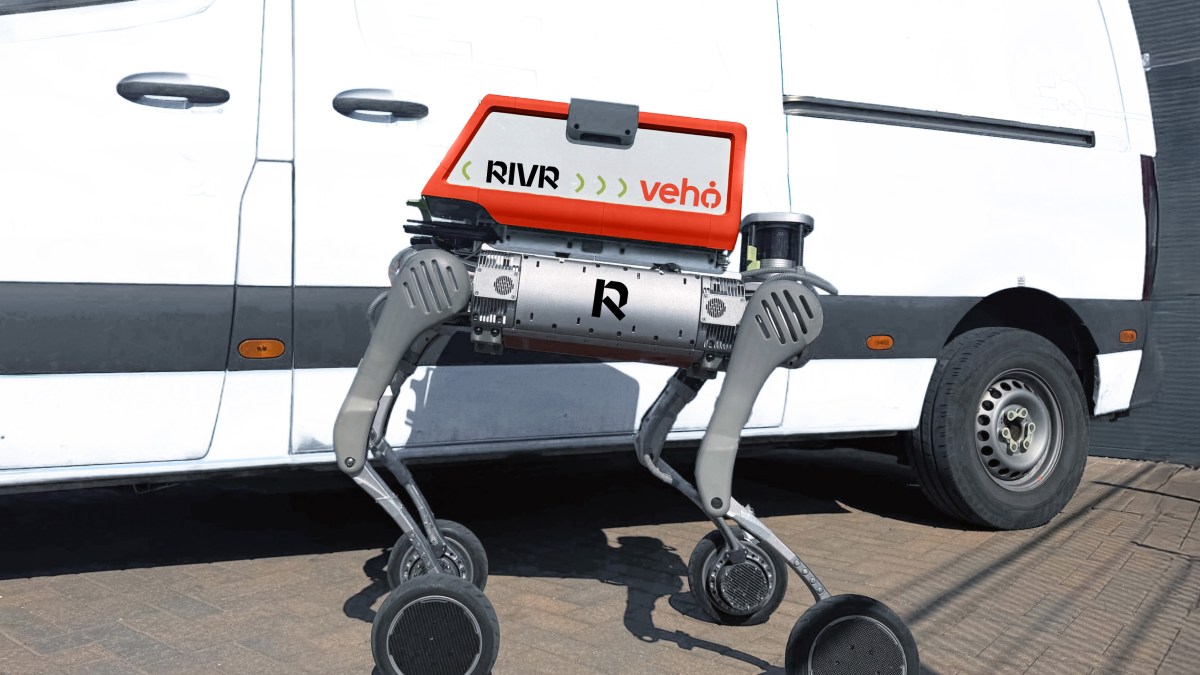
And Amazon acquired autonomous robotics company Rivr, known for their stair-climbing delivery robots. The acquisition was announced by Rivr CEO on LinkedIn.
As Bjelonic said, this will accelerate their physical AI ambitions, meaning more doorstep delivery by stair-climing robots sooner. Despite its many fingers in many pies, parcel delivery is still a big part of what Amazon does, so the buy up makes sense.
- OpenAI to acquire Astral, OpenAI, Thursday 19 March 2026.
 Jennifer Li
 Sarah Perez
 Kirsten Korosec
A bit on the side
WTF else happened this week:
Reference stalwarts take on OpenAI. Encyclopaedia Britannica and the Merriam-Webster Dictionary are the latest to take action for alleged copyright infringement against an AI company, in this case ChatGPT-maker OpenAI. In their filing, the encyclopedia and dictionary allege ‘ChatGPT has copied, and continues to copy [Britannica and Merriam-Webster] copyrighted content at massive scale’ then ‘ChatGPT-based AI products free ride on [that] trusted, high-quality content—made possible through the diligent work of human researchers, writers, editors, and creators—by cannibalizing traffic to [OpenAI’s] websites with AI-generated summaries of [Britannica’s and Merriam-Webster’s] own content.’ Add this case to the pile of cases slowly winding their way through the courts.
 See full bio

DOJ says Trump relationship will not fast track Paramount–Warner Bros. merger. Back when Paramount pipped Netflix to takeover Warner Bros. Discovery the US Federal Communications Commission (FCC) Chair Brendan Carr signaled the communications regulator will not stand in the way of the merger. We still don’t know what will come out of the US Department of Justice (DOJ) review but DOJ Antitrust Division head Acting Assistant Attorney General Omeed Assefi used an interview with Reuters to say the proposed acquisition will not be fast tracked because of political favours (Paramount Chairman and CEO David Ellison and his family have a close relationship with Donald Trump).
- Exclusive: DOJ antitrust head says Paramount–Warner Bros deal review is not political, Jody Godoy, Reuters, Thursday 19 March 2026.
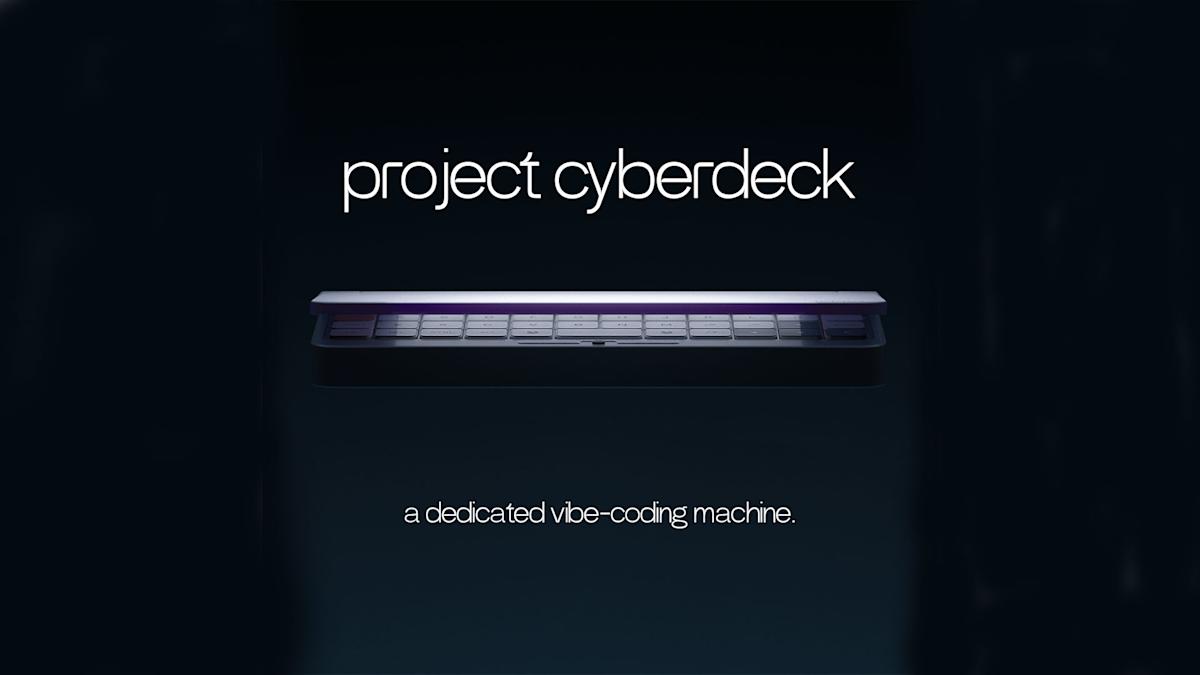
Rabbit want to make a cheap coding PC. Rabbit, the company that made those weird r1 AI pins, are reportedly looking into creating an affordable, compact vibe coding Linux laptop called Cyberdeck. Apparently the move comes because CEO Jesse Lyu doesn’t like the ‘shitty rubber dome keyboards’ that come on low-end PCs like Chromebooks. Expect a mechanical keyboard and a price tag under $500 (USD presumably).
 Igor Bonifacic
Colophon
Reuse
AI use
No part of the text of this blog post was generated using AI. The original text was not modified or improved using AI.
AI was used to generate ideas and interogate the subject matter of this blog post, but no AI-generated content was used verbatim.
The banner graphic (i.e. the first image at the top of the blog post) was adapted from vector graphics generated in Adobe Illustrator using Firefly 4 with 'Subject' content type selected and the lowest level of detail set. { Text to Vector Graphic prompt: Seamless pattern, very large simple shapes, 80s retro style, fluid organic elements, morphing, overlapping, blurred gradients, visible layers. }
Provenance
This blog post was first published on Wednesday 25 March 2026. It was last updated on Thursday 26 March 2026. This is version 1.1.
Changelog
v 1.1: Noted that National Cultural Policy town hall dates have not been released yet; minor fixes and grammar changes to improve readability – Thursday 26 March 2026.