
Meta adding AI labels, transparency of AI in the US and intersections between AI and human rights issues. These and more AI topics this week.
Don't just read the introduction. Free members can read the entire weekly WTF now?! round-up. Sign up and keep reading.
Read
What I've been reading the week:
Our Approach to Labeling AI-Generated Content and Manipulated Media
Expect to see 'Made with AI' more on Meta platforms.
I missed this when it came out, but Meta has announced it will add a content label for AI material across its platforms. It will introduce a 'Made with AI' label for content with "industry standard AI image indicators or when people disclose that they're uploading AI-generated content."
 isolomons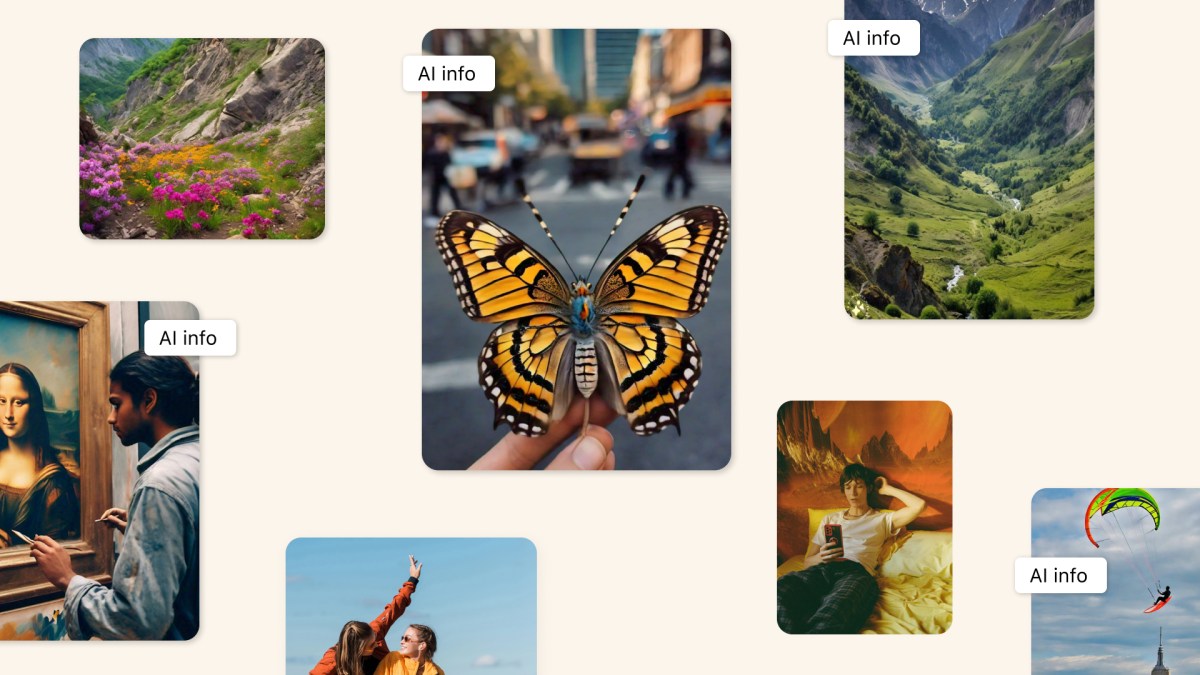
A new bill wants to reveal what's really inside AI training data
A bill that would compell transparency around AI training data is gathering support in the US.
Last week Representative Adam Schiff released a Generative AI Copyright Disclosure bill which would “require a notice to be submitted to the Register of Copyrights prior to the release of a new generative AI system with regard to all copyrighted works used in building or altering the training dataset for that system.” If passed, it is also proposed that the disclosure requirements would apply retroactively to previously released generative AI systems. Lots of bills never go anywhere so we will wait and see if it gets up, but it is attracting support from industry groups in the US.
 Emilia David
University of Melbourne's Return to Country program celebrates the genius of Indigenous engineering
UniMelb STEM program champions Indigenous engineering innovation and aims to keep Aboriginal students connected to Country.
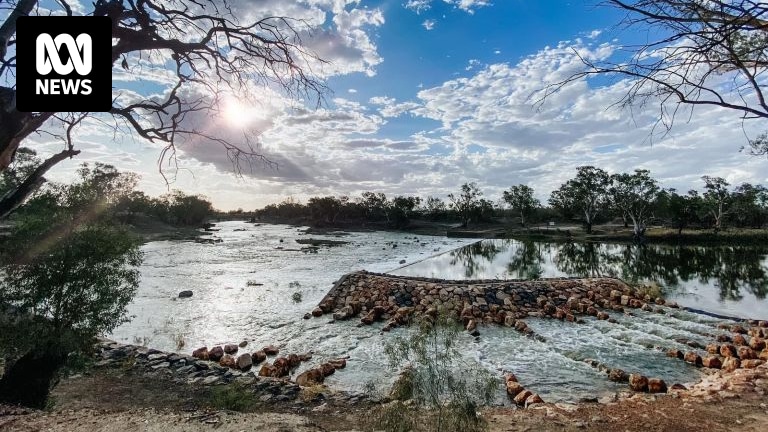
The University of Melbourne has launched a STEM program called Return to Country which aims to help Aboriginal students stay connected to Country while studying and inspire them through examples of Indigenous engineering such as fish and eel traps. It sounds like an exciting program.

Freelance creatives struggling in cost of living crisis
In no surprise to anyone, freelancers in the arts are struggling post-COVID-19.
ArtsHub reports that freelance creatives income is down based on the results of the most recent Hnry Sole Trader Pulse survey. Certainly, in my own experience as an arts marketing consultant, opportunities in the end of Q4 2023 and all through Q1 2024 were down on previous years. It is interesting the article suggests that, despire COVID-19 recovery money going into the arts, arts organisations are spending that in-house rather than bringing in external contractors.
Australian media need generative AI policies to help navigate misinformation and disinformation
Media organisations need to address their use of AI images to combat misinformation and disinformation.
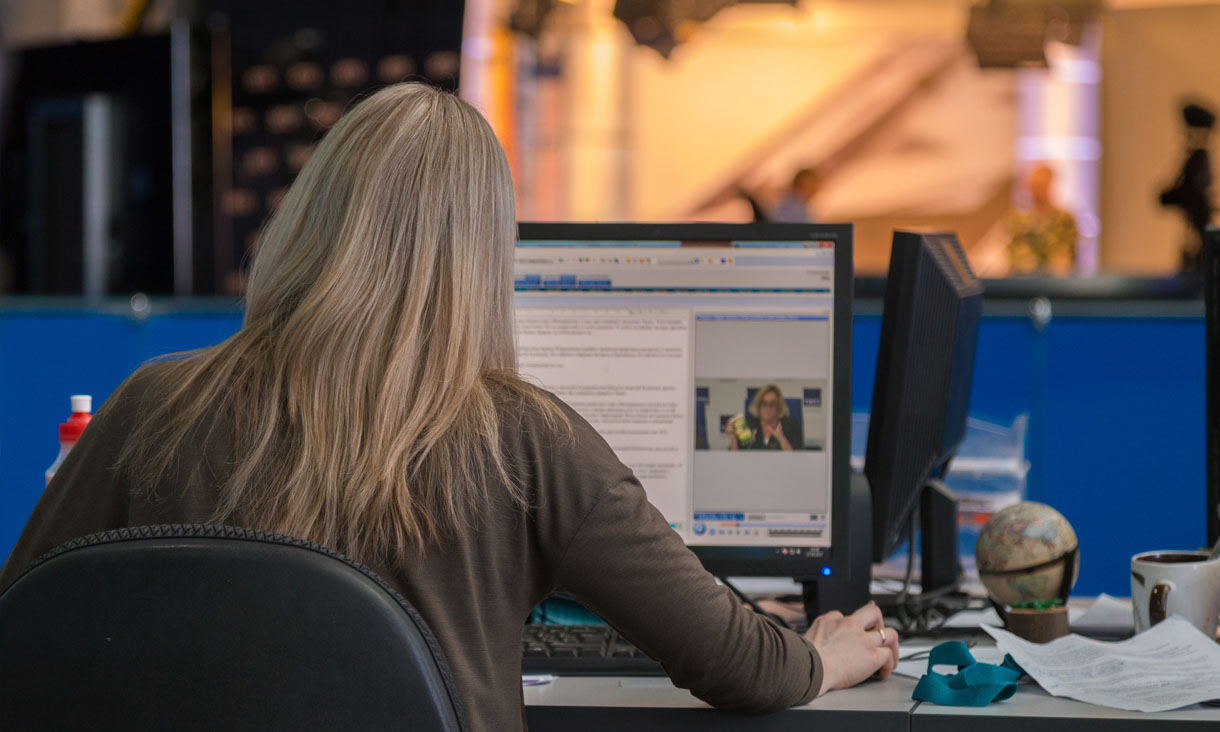
Research has been released that suggests Australian media organisations introduce image-specific AI policies to help combat misinformation and disinformation. Currently over a third of media organisations don't have such a policy.

How One Author Pushed the Limits of AI Copyright
Is 'selection, coordination, and arrangement' of AI text creating an 'AI arrangement right' at the US Copyright Office?
The recent granting of copyright registrations by the the US Copyright Office to a few creators who used AI may be unintentionally creating an AI arrangement right. The USCO's notice granting Shupe copyright registration of her book does not recognize her as author of the whole text as is conventional for written works. Elisa Shupe was recently granted registration of a book that was drafted using ChatGPT, but the registration is only to the "selection, coordination, and arrangement of text generated by artificial intelligence." This is what Professor Matthew Sag refers to a 'thin' copyright protection.
 Kate Knibbs
AI Intersections Database
Mozilla is mapping where social justice and human rights intersect with AI.
A database published by Mozilla mapping social justice and human rights intersections with AI and its impacts. AI can generate a lot of hope and harm. Certainly the database is important work for documenting some of the points at which harm can and is occurring.
 Mozilla Insights
Google Terms of Service
An update to Google's ToS will distance Google from AI outputs.
It may have slipped you by, but Google is proposing to update its Terms of Service (ToS) effective from Wednesday 22 May 2024. The proposed updated ToS is available to preview now, including a colour coded . A subtle but important addition clarifies that Google won’t claim ownership over content you generate using a Google service that allows you to generate original content. This is likely not some altruistic gesture to generative AI users but, seemingly, rather the move is designed to distance Google from content users generate using Google’s generative AI tools such as Gemini.
⟨ as I have written about before ⟩ , OpenAI seemingly does not take a copyright licence to content generated using its tools either. But I will publish a blog post about why I think this is happening sometime soon!


Add it to the pile
New additions to the unread pile:
Towards a Books Data Commons for AI Training
Could CC-licensed books be the basis for AI training data?
This came out last week but I am adding it to the read pile this week. Creative Commons have put out a speculative paper exploring "… a possible future in which a "books data commons for AI training" might exist, and what such a commons might look like." CC has a blog post that explores the idea further. I am looking forward to getting more across the idea soon.
Copyright, text & data mining and the innovation dimension of generative
Another article exploring if generative AI substitutes human authors.
I haven't read it yet, but from the abstract it seems Assistant Professor Kalpana Tyagi focus is on text and data mining (TDM) as a threat to copyright and that Generative AI substitutes the romanticised human author that sits at the centre of copyright.
https://academic.oup.com/jiplp/article/19/7/557/7624901
Colophon
Reuse
AI use
No part of the text of this blog post was generated using AI. The original text was not modified or improved using AI.
The banner graphic (i.e. the first image at the top of the blog post) was adapted from vector graphics generated in Adobe Illustrator using Firefly 4 with 'Subject' content type selected and the lowest level of detail set. { Text to Vector Graphic prompt: Seamless pattern, very large simple shapes, 80s retro style, fluid organic elements, morphing, overlapping, blurred gradients, visible layers }
Provenance
This blog post was first published on Sunday 21 April 2024. It has not been updated. This is version 1.0.