Meta is adding ad options to Threads, possibly to woo advertisers given recent changes. Also, Penguin Random House has acquired Text, Spotify's music royalties have decreased and Creative Commons has introduced a new strategy.
WTF now?! picks up from last week with Meta actively canvassing advertisers in an attempt to keep them spending ad dollars across its platforms. In fact, they are rolling out ad options on Threads. It may be circumstantial but with all the changes at Meta it seems they are worried advertisers are spooked. We will wait and see if audiences and advertisers abandon the Meta platforms.
Also: Text has been bought by Penguin Random House, music royalties from Spotify are down and it is unclear why and Creative Commons has a new strategy for these troubled times.
Don't just read the introduction. Free members can read the entire weekly WTF now?! round-up. Sign up and keep reading.
What's going on?
Here’s what I’ve noticed this week:
Penguin Random House has acquired Text
Text says it will keep creative control but past mergers in book publishing cast doubt.
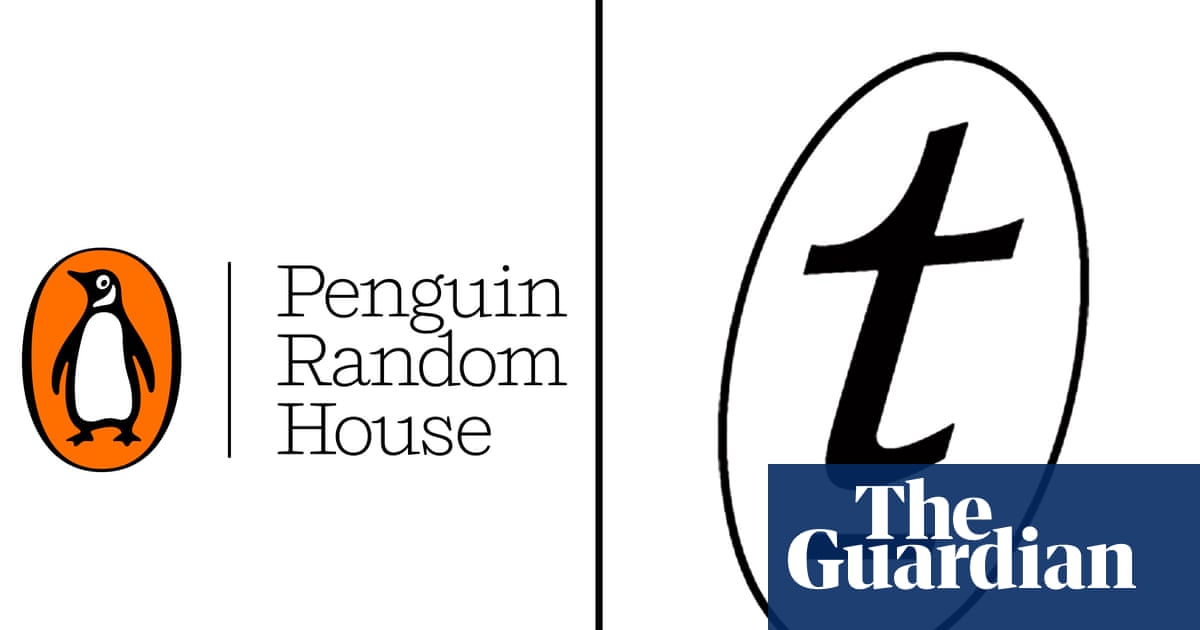
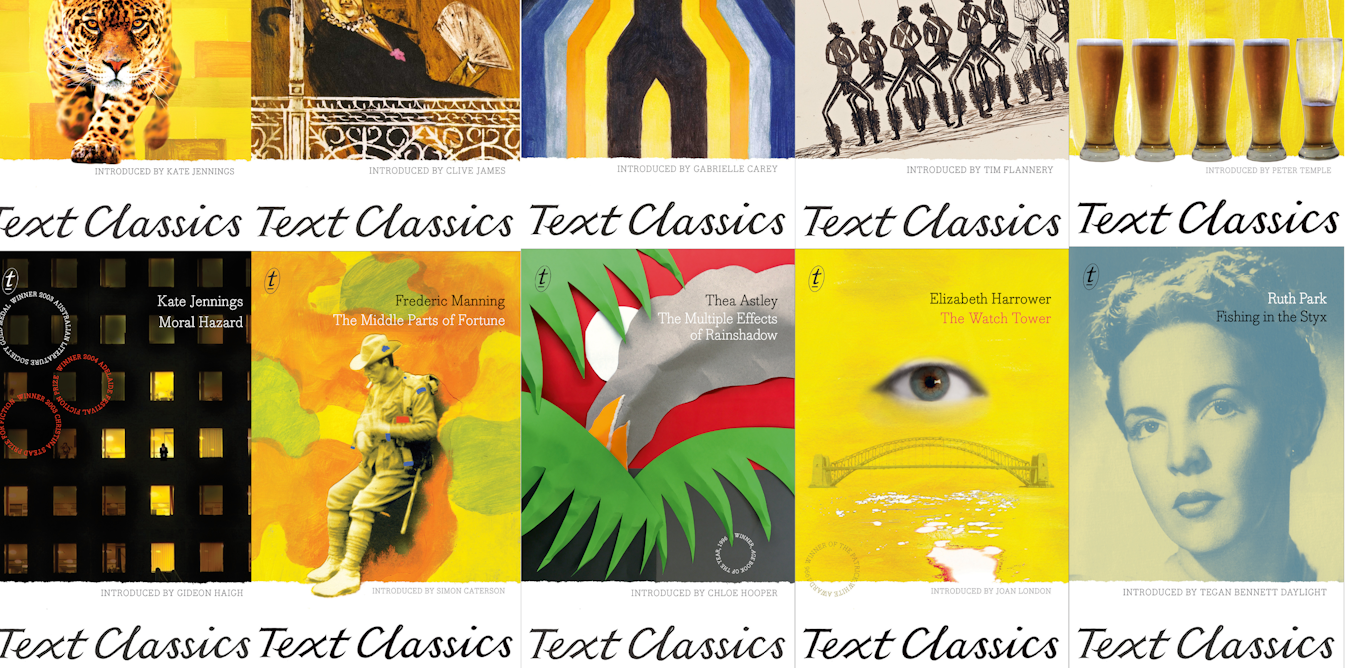
Text, one of Australia’s leading independent publishers, has been acquired by Penguin Random House.
The publisher has seen foreign ownership in its past, but this brings it into one of the Big Four publishers. Text reportedly will maintain its independence and creative control, and will maintain current staff at its Melbourne office. Penguin Random House’s longstanding exclusive distribution of Text titles in Australia and New Zealand will continue.
Despite the upbeat media release from Text, “history shows that mergers often result in the dissolution of the smaller imprint,” says Alice Grundy on The Conversation, “It is precisely the question of which readerships the merged version of Text will cater to that will worry Australian readers and supporters of independent publishing.” Grundy’s analysis looks at the wider publishing ecology in Australia and is worth reading.
In August last year Affirm Press, another Melbourne-based independent publisher, was acquired by Simon & Schuster. Relatedly, in September last year Hardie Grant, an Australian independent publisher, bought out fellow publisher Pantera Press.
What's worth reading on the Text acquisition:
 Three-time winner: Small Publisher of the Year
 Kelly Burke
 Alice Grundy
Is national security really behind the US TikTok ban?
The tumultuous TikTok ban could be motivated by geopolitics more than national security.
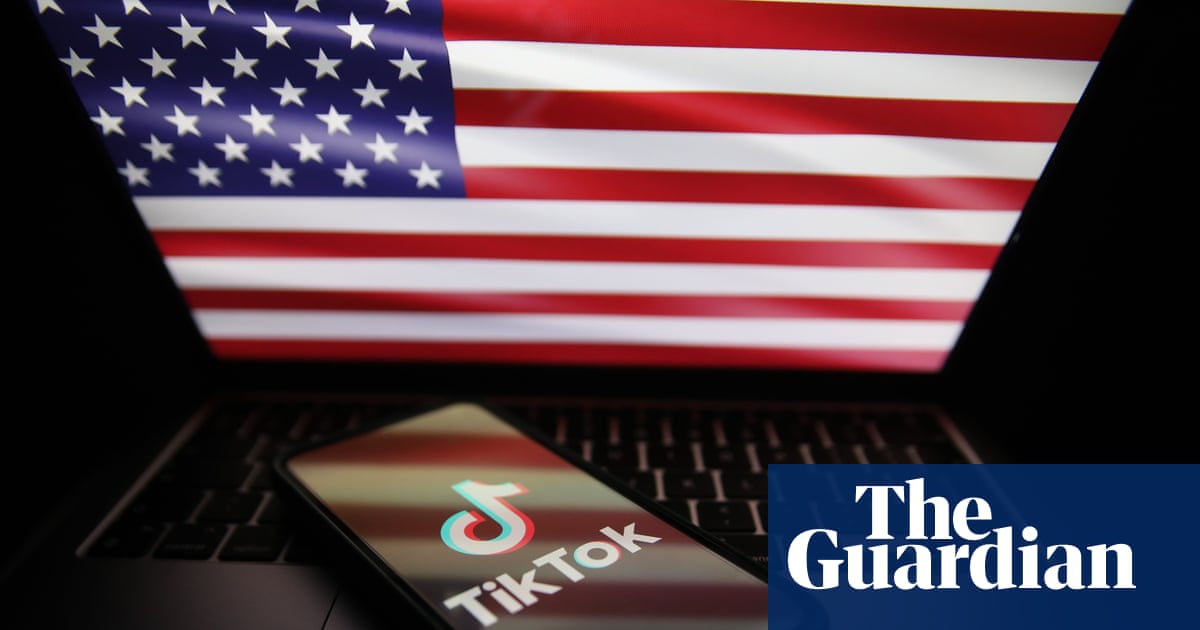
TikTok was gone in the US for a day and then it was back. TikTok praised Trump for the second coming of its platform for Americans. There’s a lot of complexity and politics around the ban. Congress cites national security for the ban but Dan Sabbagh suggests that, for Trump, it is not national security at the heart of the issue, rather it is Trumpian geopolitics: “his focus is to force at least a partial divestment of TikTok US to a tame American owner”. As the article’s subtitle says, “Washington looks happy for the video app to harvest users’ data – as long as China does not reap the rewards”.
And as I noted last week, the idea of banning TikTok in Australia has been mooted before. It hasn’t been ruled out but it not being actively pursued by the government. We’ll see what happens after the next federal election. On the other hand, the UK has actively dismissed the idea of a wholesale ban on TikTok. In fact, it seems their tech policy approach is swinging more favourably towards Big Tech with the appointment of former Amazon UK head to chair of the Competition and Markets Authority (CMA) (although it is an interim appointment at the moment).
What's worth reading on now TikTok is back in the US:
 Dan Sabbagh
https://www.reuters.com/technology/britain-appeals-big-tech-with-change-regulatory-guard-2025-01-23/
Meta wooing advertisers could hint at a drop in ad spend
We don’t know what Meta’s recent changes will mean in terms of active users or advertisers, but Meta reassuring advertisers at least indicates they know their moves could impact income.
There is no published data on whether audiences are abandoning Facebook, Instgram and Threads yet. Likewise, we are yet to see if ad spend on the Meta platforms will also dip since it announced its raft of changes including dropping fact-checking and softening hate speech rules a fortnight ago. Regardless, the company has been on the offensive trying to reassure advertisers and keep their money flowing into ads on Facebook and Instagram. Advertising is a major income source for Meta. If users leave the platforms, or even reduce their usage, this could further spook advertisers. Meta’s move seems to indicate they know there is a risk ad spend could decline.
Relatedly, ads are coming to Threads.
View on Threads

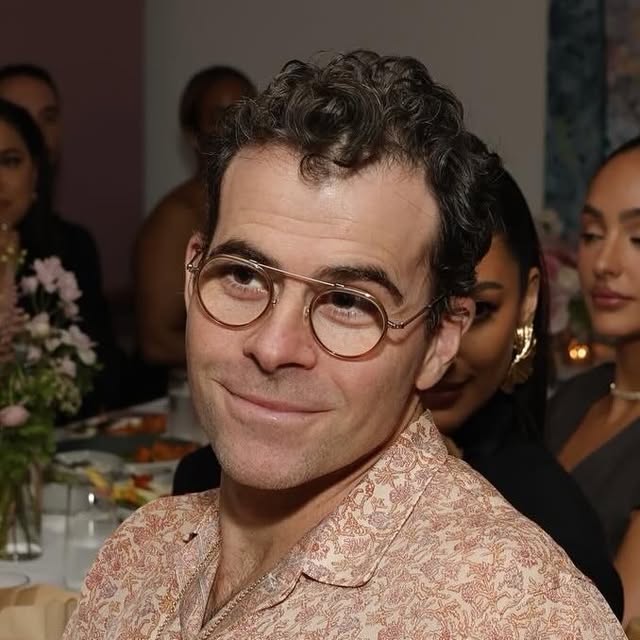
Meta ties up loose ends on Threads
A range of talked about features for Threads are available now or rolling out soon.
Users can now schedule posts and Insights now shows you some data for individual posts and more sophisticated analytics. But both of these are just playing catch up with other social media tools.
View on Threads
View on Threads
We also know they are readying Community Notes for Threads, as part of Meta’s company-wide more away from fact-checking.
View on Threads
The interesting new feature announced is marking up reshared posts.
View on Threads
It seems they way it works is that the original post you want to share is screenshoted and you can then add highlights, arrows or doodle on it to add emphasis and other context. These kinds of actions have been possible when editing an image in most social media tools so it has long been possible for a user to do this if they took a screenshot and uploaded it in the same way you add photos, then edited the screenshot. The key difference here is that it simplifies the process by bringing it all within post sharing. I don’t know if it will take off, but it’s interesting.
For context, the idea of markup as far as I know goes back to marking up a PDF using Acrobat Acrobat, which itself is an attempt to do digital what people have done on printed copies of content for eons. But as far as I know it’s the first time this kind of thing has been built into a social media platform directly.
What’s worth reading on the new Threads features:
 Emma Roth

Mechanical rights royalties from Spotify for US music publishers have dropped dramatically
Reportedly something weird is going on with Spotify’s mechanical rights royalties calculations for US music publishers.
Digital Music News is reporting that “Spotify’s mechanical publishing royalties took a sudden-and-sizable dip this month for many US-based publishers and songwriters” with “multiple reports of 30-40% drops compared to previous months”. Yet, over the same period, “For currently unclear reasons, performance royalties jumped dramatically … for these same publishers.” DMN attributes the drop to “Spotify’s extreme shift towards bundled subscription options in 2024” because “publishers and songwriters … receive substantially lowered mechanical royalties on bundled plans.”
I have done some searching but this story doesn’t seem to be widely reported so we will wait to see exactly what is going on. Shifting subscription packages are likely part of the puzzle and continue the unquestionable impact Spotify and the other music streaming services have had on the music industry. Low income flowback to artists, streaming thresholds before royalties are paid and the playlist push to keep users listening (but not choosing what they listen to) are all part of criticisms of music streaming. Given this, is it any wonder Björk said in an interview on Swedish television this week that “Spotify is probably the worst thing that has happened to musicians”?
Björk talked about the importance of live music for her: “The live part is, and always will be, a big part of what I do … I’m lucky because I no longer have to raise money on touring, which younger musicians are often forced to do.” Yet live music in Australia continues to struggle. Some states are appointing nighttime economy commissioners and expert panels and The Australia Institute has suggested this week that the Australian government establish a youth cultural pass that could make live music more accessible for young people and boost the live music sector, but no one seems to have worked out how to revive live under the post-COVID-19 pressures of dual cost-of-living and housing affordability crises.
What’s worth reading on this anomaly in Spotify’s streaming music royalties calculations:
 Paul Resnikoff
 Jem Aswad

- Spotify’s playlists have altered the music industry in unexpected ways, The Economist, Thursday 23 January 2025
What’s worth reading on Australia’s live music scene:
 The State of Queensland

 The State of Queensland

 Hayden Starr

Creative Commons’ new strategy considers the commons in a complex world
CC’s new four-year strategy acknowledges the licences as core infrastructure, the need to defend the commons and the importance of the community.
What does Creative Commons mean in the complex world we live in? This quandary is are the core of the organisation’s new strategy. It orients around “a strong and resilient open infrastructure of sharing, and enabling a healthy and thriving creative commons powered by reciprocity and community in the public interest.” This particularly resonates with me:
“At a time when there are increasing concentrations of power online, and when monopolization of knowledge is amplified exponentially through technology such as artificial intelligence (AI), CC has been called upon to intervene with the same creativity and collective action as we did with the CC licenses over 20 years ago.”
The strategy has three interconnected goals:
- Strengthen the open infrastructure of sharing – By seeing and funding CC as foundational open infrastructure we can ensure give creators agency and ensure a viable public interest alternative to the concentrations of power and knowledge occurring elsewhere online.
- Defend and advocate for a thriving creative commons – A thriving creative commons built on that strong open infrastructure and where knowledge is accessible, discoverable, and reusable can address global challenges, holds at its heart a “worldview of knowledge as a public good and a human right” and “redistributes power from the hands of the few to the minds of the many”.
- Center community – CC’s community of open advocates built the commons. The strategy recognises and centres the community – in all its generational and geographical diversity.
It is bold and ambitious and optimistic which frankly is refreshing given everything going on in the world at the moment.
What’s worth reading on the new CC strategy:
 Alumnus



A bit on the side
Other tasty tidbits this week:
Another IT incident – this time at the British Museum – serves as an important reminder to the GLAM sector that cultural heritage organisations are not immune from being the target of malicious cybersecurity attacks.
Last week I mentioned Meta, Amazon, McDonald’s and Walmart had all ended or wound back their diversity, equity and inclusion (DEI) programs – one of Trump’s many executive orders after inauguration was to roll back DEI in the US federal government and this week Target announced it will also end its DEI program but Costco doubled down on DEI. In December their board unanimously rejected a proposal for a report into the risks associated with keeping its DEI program and this week 98% of Costco shareholders voted against the proposal as well.
OpenAI has launched Operator, an independent AI agent that can use an in-app browser to view a webpage and interact with it by typing, clicking, and scrolling on behalf of a user. It is available in a research preview to Pro users in the United States.
Some changes to the security of your online accounts were announced this week. Microsoft’s decision to automatically keep users signed into their accounts could be an issue if you use shared or public computers (and you forget to sign out), while a new feature in Android 15 called Identity Check will require biometric authentication to access some of your accounts and device settings.
As many household are getting ready for kids going back to school tomorrow some interesting data has come out showing that a record number of Australian children are being homeschooled. The cost of schooling and changing attitudes towards education and parenting are both attributed the shift.
In one of the most epic instances of political trolling I’ve ever seen, Democratic Mississippi state Senator Bradford Blackmon has introduced the Contraception Begins at Erection Act that would make it unlawful for “a person to discharge genetic material without the intent to fertilize an embryo.” The bill is simple and it has no chance of passing, but that’s not the point. It is a critique of the number of bills in the US focused on women's access to reproductive health care, including abortion and contraception.
Colophon
Reuse
Conflict of interest
I am the Co-lead of Creative Commons Australia (CC AU), I am an individual member of the Creative Commons Global Network (CC GN) and I have been involved with the TAROCH (Towards a Recommendation on Open Cultural Heritage) project which is led by CC and which drafted the Open Heritage Statement. The views expressed in this blog post are my own and do not express the views of CC AU or the Creative Commons Corporation.
AI use
No part of the text of this blog post was generated using AI. The original text was not modified or improved using AI.
The banner graphic (i.e. the first image at the top of the blog post) was adapted from vector graphics generated in Adobe Illustrator using Firefly 4 with 'Subject' content type selected and the lowest level of detail set. { Text to Vector Graphic prompt: Seamless pattern, very large simple shapes, 80s retro style, fluid organic elements, morphing, overlapping, blurred gradients, visible layers }
Provenance
This blog post was first published on Sunday 26 January 2025. It was last updated on Tuesday 28 January 2025. This is version 1.2.
Changelog
v 1.2: Fixed minor typos – Tuesday 28 January 2025.
v 1.1: Added embedded social media posts and fixed error in title of first listing – Monday 27 January 2025.